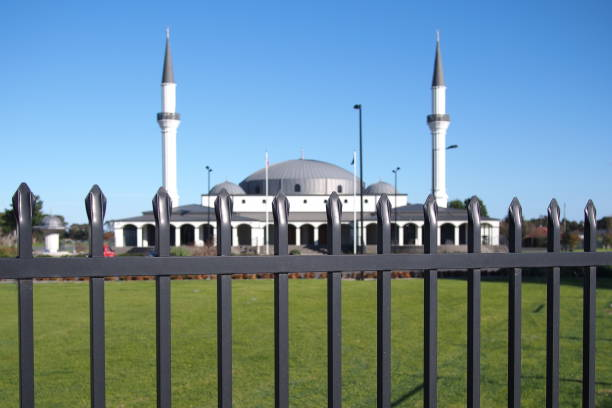
Melbourne has dozens of Islamic schools now, which gives families options but also makes choosing complicated. Not all Islamic schools operate at the same level—some provide exceptional education while others struggle with basics like qualified teachers or adequate facilities. The best islamic school in Melbourne stands out through a combination of factors that aren't always obvious from websites or brief school tours. We're talking about institutional culture, leadership vision, teaching quality, resource allocation, and how effectively the school balances competing demands of religious education, academic excellence, and student wellbeing. Parents need to look beyond surface features like new buildings or stated philosophies to understand what actually happens day-to-day in classrooms and how that shapes student outcomes over years of education.
Strong Educational Leadership with Clear Vision
School leadership determines almost everything else. A head with clear educational philosophy, strong management skills, and genuine commitment to both Islamic values and academic excellence sets the tone for the entire institution. Weak leadership results in inconsistent standards, poor teacher morale, and drift in institutional purpose.
The best school leaders understand Australian education standards thoroughly while maintaining authentic Islamic educational goals. They're not just administrators—they're educators who can articulate how Islamic principles inform teaching practice, curriculum design, and student development. This vision should be evident in school policies, resource allocation, hiring decisions, and daily operations.
Leadership stability matters more than people realize. Schools that churn through principals every couple years struggle to maintain consistent direction. Teachers don't know what to expect, programs get started and abandoned, parents lose confidence. Look for schools where leadership has been stable for at least five years—that suggests they're doing something right.
The leadership team beyond the principal is equally important. Strong deputy principals, curriculum coordinators, Islamic studies directors, and student welfare coordinators create depth in school management. If everything depends on one person, the school is vulnerable to major disruption when that person eventually leaves.
Transparent Communication and Parental Involvement
Schools that hide information or avoid parent questions usually have something worth hiding. The best schools operate transparently—they share data about academic outcomes, discuss challenges openly, welcome parent feedback, and maintain regular communication channels.
Parent-teacher interviews should happen regularly, not just when students are struggling. Parents deserve clear information about their child's progress, strengths, areas needing improvement, and specific ways they can support learning at home. Generic comments like "doing fine" or "needs to try harder" aren't helpful—parents need specifics.
How schools handle complaints and concerns reveals a lot about their culture. Do they get defensive or do they listen and respond constructively? Are there clear processes for addressing issues? Do parents feel heard or dismissed? Schools confident in their practices welcome feedback because they view it as opportunity for improvement.
Digital platforms for parent communication have become standard. Parents should be able to check their child's attendance, assignments, grades, and teacher feedback easily. Regular newsletters about school events, curriculum updates, and community news keep families connected and informed.
Quality of Islamic Education Program
This is where Islamic schools should excel, yet it's often the weakest aspect. Many schools treat Islamic studies as an afterthought—assigned to whoever's available, taught without clear curriculum progression, assessed inconsistently if at all.
The best schools have highly qualified Islamic studies teachers with proper training in both Islamic knowledge and teaching methodology. These aren't just people who attended madrasa themselves—they're educators who understand child development, differentiated instruction, and how to make Islamic studies engaging rather than rote memorization.
Curriculum progression should be clear. What do students learn in Year 3 versus Year 7? How does knowledge build year over year? Are students developing deeper understanding or just repeating the same basics annually? Quality schools have detailed Islamic studies curricula showing clear learning progression from foundation through VCE level.
Quranic studies need balance between memorization and understanding. Memorizing Quran has great value, but students who can recite without understanding what they're reciting miss the point. The best programs integrate tajweed, memorization, translation, and basic tafsir so students develop comprehensive relationship with Quranic text.
Arabic language instruction should aim for functional proficiency, not just Quranic reading. Students should develop ability to read, write, speak, and understand Arabic across contexts. This requires systematic language instruction using proven methodologies, not just traditional rote methods that rarely produce actual language competency.
Facilities and Resources That Support Learning
Buildings don't make great schools, but inadequate facilities definitely limit what schools can achieve. Science labs, libraries, sports facilities, technology resources, prayer spaces, arts facilities—these aren't luxuries, they're necessary infrastructure for comprehensive education.
Science without proper labs is largely theoretical. Students need hands-on experience with equipment, experiments, and scientific methodology. Schools that cut corners on science facilities disadvantage students in STEM subjects and fail to develop practical skills that universities and employers expect.
Library resources matter enormously for literacy development and research skills. Quality school libraries have current collections, both physical and digital, staffed by qualified librarians who teach information literacy. Schools with dusty, outdated book collections and no library program are shortchanging students' literacy development.
Technology integration should be thoughtful, not just trendy. Every student having a laptop doesn't automatically improve learning—it depends on how technology is used pedagogically. Quality schools integrate technology where it enhances learning while maintaining appropriate limits to prevent distraction and ensure students develop face-to-face communication skills.
Sports and physical education facilities impact student health and wellbeing. Proper playing fields, indoor courts, fitness equipment, and PE programs taught by qualified teachers contribute to physical development and teach lifelong health habits. Schools that minimize PE or lack adequate facilities miss an important dimension of holistic education.
Cultural Competency and Australian Context
The best Islamic school in Melbourne doesn't operate as if it exists in isolation from Australian society. It prepares students to be confident Muslims who also understand and engage effectively with the broader Australian context they'll live and work in.
Curriculum should include substantial Australian content—history, geography, civics, literature—not just Commonwealth requirements but genuine exploration of what it means to be Australian. Muslim students need to understand the society they're part of, including its history, challenges, and opportunities.
Schools should help students develop Australian civic knowledge and values like democracy, rule of law, freedom, respect, and equality while showing how these align with Islamic principles. This isn't about compromising Islamic identity—it's about developing students who can navigate multiple contexts confidently.
Interaction with diverse communities enriches learning. Schools that create opportunities for students to engage with people from different backgrounds—through sporting competitions, joint projects, community service, or cultural exchange—develop more socially capable and understanding young people.
Student Wellbeing and Pastoral Care Systems
Academic pressure without adequate support damages students. The best schools recognize that emotional and social wellbeing directly impact learning and prioritize student welfare alongside academic achievement.
Qualified counselors should be available for students dealing with stress, anxiety, social difficulties, family issues, or other challenges. This support shouldn't be reserved for crisis situations—preventive mental health education and early intervention help students develop resilience and coping skills.
Anti-bullying programs need to be active, not just policy documents. How does the school actually address bullying when it occurs? Are students safe to report concerns? Is there follow-through? Schools where bullying goes unaddressed create toxic environments that undermine everything else.
Positive behavior management approaches work better than purely punitive discipline. Schools focused on building character through Islamic values should emphasize teaching expected behaviors, recognizing positive choices, and addressing problems as teaching opportunities rather than just punishing violations.
Track Record and Reputation Within Community
Past performance indicates future results. Schools with strong track records of academic achievement, university placements, and graduate success demonstrate they know what they're doing. Ask about VCE results, university acceptance rates, and where recent graduates ended up.
Community reputation tells you things official information doesn't. Talk to current parents, recent alumni, teachers who've worked there. What do people who know the school intimately say about it? Are current parents satisfied or are many looking to leave? Do graduates speak positively about their experience?
Be cautious of schools that can't or won't provide outcome data. Transparency about results suggests confidence. Vague claims without supporting evidence should raise questions about whether the school is achieving what it claims.
 Supriyo Khan
 Supriyo Khan
 Supriyo Khan
 Supriyo Khan

Want to add a comment?