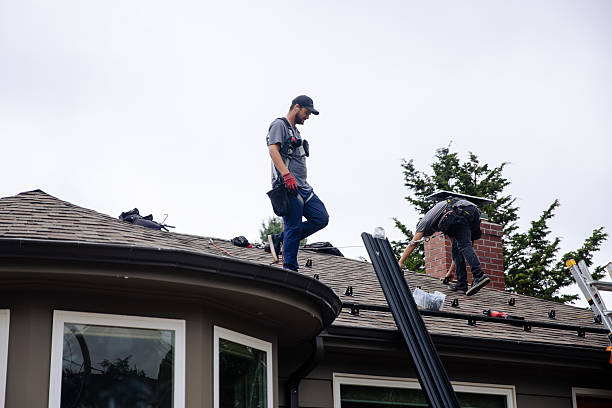
Roof installation is often viewed as a short-term project with long-term benefits, adds Spectrum Realty Services LLC professionals. Once the shingles or panels are in place, many homeowners assume the most important work is finished. In reality, some of the most critical factors influencing roof performance are easy to overlook during installation, even though they shape durability, efficiency, and reliability for years.
Most long-term roofing problems do not stem from dramatic failures. They develop slowly due to decisions that seemed minor during installation. These overlooked elements quietly affect how a roof handles weather, manages moisture, and ages over time.
Professionals such as Upright Roofing and Construction often emphasize that understanding what happens during installation is just as important as choosing materials. Awareness of these commonly missed details helps homeowners protect their investment long after installation is complete.
Homeowners frequently concentrate on material type and appearance. While materials matter, a roof functions as a system made up of layers, connections, and airflow.
System design determines how materials interact under stress. Without proper integration, even high-quality materials can underperform. Installation decisions should prioritize how the entire system works together rather than how individual components look.
Ignoring system design often leads to uneven wear and premature failure.
Ventilation is one of the most overlooked aspects of roof installation. Many homeowners assume it is standardized or automatically handled.
Poor ventilation traps heat and moisture, accelerating material deterioration and affecting indoor comfort. Over time, this leads to higher energy costs and increased maintenance needs.
Proper ventilation planning during installation supports both roof longevity and energy efficiency.
Insulation performance depends heavily on correct placement. During installation, insulation may be compressed or shifted without obvious signs.
Compressed insulation loses effectiveness, allowing heat transfer and moisture buildup. These issues often go unnoticed until energy bills rise or condensation problems appear.
Attention to insulation during installation prevents these hidden efficiency losses.
Roof drainage is rarely a focus for homeowners unless problems already exist. However, how water moves off the roof affects long-term performance.
Improper slope, low spots, or poorly positioned drainage points allow water to linger. Standing water accelerates material breakdown and increases leak risk.
Installation decisions that correct drainage behavior early prevent years of avoidable stress.
Flashing protects roof transitions, penetrations, and edges. These areas experience constant movement and exposure.
Improper flashing integration is a common installation oversight. Small gaps or misalignments may not leak immediately but worsen with seasonal expansion and contraction.
Well-integrated flashing during installation significantly reduces long-term leak risk.
Fasteners hold roofing materials in place, yet their importance is often underestimated. Type, spacing, and placement all matter.
Improper fasteners can loosen over time, especially under wind or temperature stress. This movement creates pathways for moisture and weakens system integrity.
Correct fastening decisions during installation reduce future repairs.
Roof edges face higher wind uplift and environmental stress. Installation details at these areas have an outsized impact on performance.
Weak perimeter detailing often leads to early failure even when the rest of the roof appears sound. These areas are also harder to repair later.
Strong edge detailing during installation protects the entire system.
Many homeowners do not consider future maintenance during installation. Access points, walk paths, and visibility of components matter.
A roof that is difficult to inspect or service often receives less maintenance. Over time, small issues grow unchecked.
Designing for maintenance during installation supports long-term care and performance.
Roof installation does not occur in isolation. The roof must work with the existing structure, including decking and framing.
Incompatible materials or attachment methods create stress points. These issues may not surface until years later.
Evaluating compatibility during installation avoids long-term structural strain.
Fast installation is often seen as a benefit. However, speed can compromise precision.
Rushed work increases the chance of missed steps, improper sealing, or inconsistent fastening. These small errors compound over time.
Precision during installation protects long-term reliability more than speed.
Moisture barriers play a critical role in protecting underlying components. Incorrect placement or sealing weakens this protection.
These barriers are hidden once installation is complete, making errors difficult to detect later. Moisture intrusion beneath the surface often goes unnoticed until damage is advanced.
Proper barrier installation is essential for long-term protection.
Homeowners often assume installation standards are uniform. In reality, practices vary widely.
Experience, training, and oversight influence how closely standards are followed. Small deviations during installation can have lasting consequences.
Choosing a professional roofing company in Coppell, TX who prioritize quality reduces these risks.
Local climate affects how roofs perform. Heat, cold, humidity, and wind all place different stresses on materials.
Installation decisions should account for these conditions. Ignoring climate factors leads to premature wear.
Tailoring installation to local conditions improves durability.
Air sealing is often invisible but critically important. Gaps allow conditioned air to escape and moisture to enter.
Poor air sealing increases energy use and reduces comfort. These issues often appear gradually.
Attention to air sealing during installation supports efficiency and comfort.
Many warranties depend on proper installation. Homeowners may assume materials are covered regardless of installation quality.
Installation errors can void warranties without obvious warning. This becomes apparent only when claims are denied later.
Quality installation protects warranty value.
Roof installation can change structural load, especially when adding layers or materials.
Additional weight stresses framing and supports over time. These effects are rarely immediate.
Evaluating load impact during installation protects structural integrity.
Documentation is often overlooked during installation. Records of materials, methods, and conditions are valuable later.
Without documentation, troubleshooting future issues becomes more difficult. Records also support resale and insurance needs.
Good documentation adds long-term value.
Installation is often treated as an endpoint rather than the beginning of a roof’s service life.
Decisions made during installation shape maintenance needs and performance for decades.
Viewing installation as the foundation of long-term care leads to better outcomes.
Individual oversights may seem insignificant, but their effects compound over time.
Multiple small weaknesses create conditions for larger failures. Addressing details during installation prevents this accumulation.
Attention to detail is a long-term investment.
Experienced oversight catches issues before they become permanent. This includes monitoring alignment, sealing, and fastening.
In the middle of many installation projects, Upright Roofing and Construction emphasizes oversight as essential to consistent quality.
Oversight protects homeowners from hidden mistakes.
Homeowners benefit from understanding how installation decisions affect performance. Informed owners ask better questions and make better choices.
Confidence grows when the roof performs reliably year after year.
Installation quality underpins that confidence.
Roof installation decisions have lasting effects that many homeowners overlook. Ventilation, drainage, insulation, flashing, and access planning all shape how a roof performs over time.
By recognizing these factors during installation, homeowners reduce maintenance needs, improve efficiency, and extend roof lifespan. Installation becomes the foundation of reliability rather than a source of future problems.
For those seeking a roof built with long-term performance in mind, Upright Roofing and Construction represents an approach focused on precision, planning, and durability well beyond installation day.
Another critical aspect often overlooked is the importance of proper ventilation. Without adequate airflow, heat and moisture can build up in the attic, leading to premature aging of roofing materials and potential structural damage. This can also result in higher energy bills as your HVAC system works harder to maintain a comfortable indoor temperature. To ensure your roof performs optimally, consider consulting with a professional who can assess your current ventilation system and recommend improvements. You can find more information on effective ventilation solutions by clicking here for more details. Taking these steps can significantly enhance the longevity and efficiency of your roof, providing peace of mind for years to come.here for more details Supriyo Khan
 Supriyo Khan
 Supriyo Khan
 Supriyo Khan

Want to add a comment?