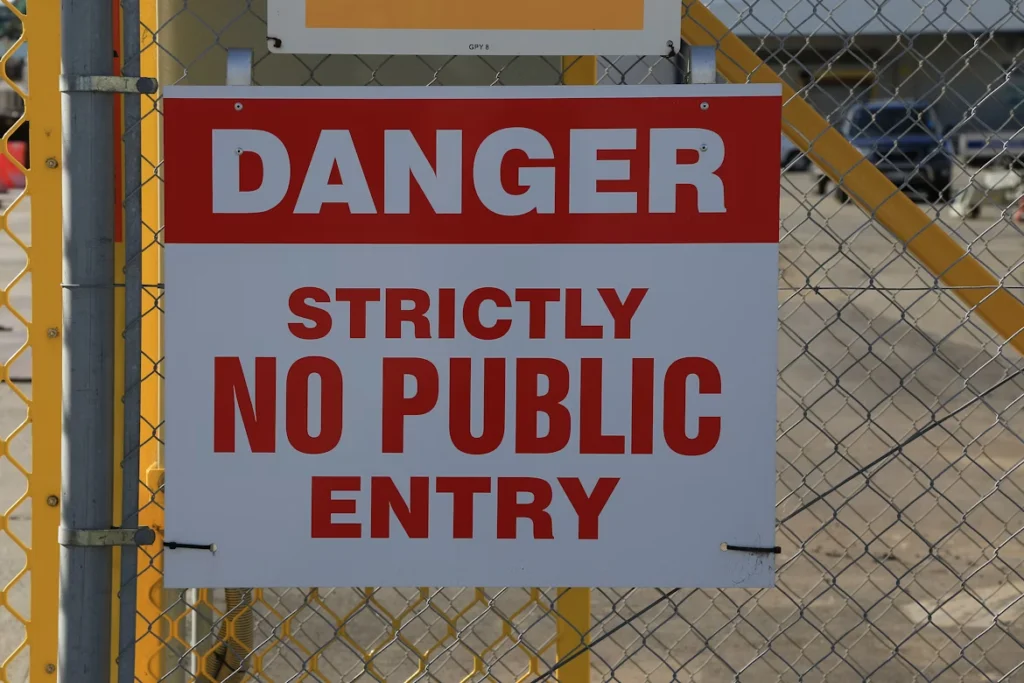
Picture this: you've just slipped on a freshly mopped floor in the middle of the shops. Or maybe you've tripped over uneven pavement outside your local cafe… Sound familiar? Thousands of Australians every year get injured on other people's property. And the truth is… Most of them have no idea that they might be entitled to compensation. Property owners have a legal duty of care to keep their premises safe. When they fail to do this, skilled litigation lawyers can help injured victims understand their rights and fight for fair compensation from negligent property owners through the complex premises liability system. But let's get real for a second: Navigating when a property owner is actually responsible can be tricky. That's exactly why this ultimate guide will help you understand premises liability and your rights. What Is Premises Liability Exactly? The Different Types of Visitors (And Why It Matters) Common Injuries That Lead to Claims When Property Owners Are Actually Liable Steps to Take After Getting Hurt Premises liability is the legal responsibility property owners have when someone gets injured on their property. Simple enough, right? Property owners must maintain their property in a reasonably safe condition. This applies to retail stores, restaurants, office buildings, private homes, rental properties and government buildings. When they fail to maintain the property in a safe condition and someone gets injured as a result, they can be held liable for damages. Recent statistics show that premises liability cases result in a median payout of $90,000 in successful settlements. That's higher than most other types of personal injury cases. The key word is "reasonable." Property owners are not expected to make their premises absolutely safe. But they are expected to take reasonable steps to prevent foreseeable accidents from happening. This includes fixing hazards they know about or should have known about, warning visitors about dangerous conditions and regularly inspecting their property. Not all visitors are treated the same way under premises liability law. Here's the breakdown: People who are invited onto the property for business reasons are considered invitees. This includes customers at a store or clients at an office building. Property owners owe invitees the highest duty of care. Social guests, like friends or family at a private home, are considered licensees. Property owners must warn them about known dangers but don't have to inspect for hidden hazards. Even trespassers have some legal rights when it comes to premises liability. Property owners can't set traps or intentionally harm them. And when it comes to child trespassers, the law treats them very differently because of the "attractive nuisance" doctrine. The visitor classification matters because it determines the level of care property owners owe you. For example, if you're an invitee, they have a higher duty to maintain safe conditions and warn you about dangerous conditions. As a licensee, the duty is lower. Premises liability law covers a wide variety of accidents and injuries that can occur on other people's property. Safe Work Australia reports that falls, slips and trips are the cause of 22% of all serious compensation claims. They happen everywhere from shopping centres and hotels to apartment blocks and office complexes. The most common types of premises liability accidents and injuries include: Slip and fall accidents from wet floors, uneven surfaces or poor lighting Trip hazards from broken steps, torn carpet or debris left in walkways Falling objects from improperly stored merchandise or construction materials Dog bites when property owners fail to control their pets Swimming pool accidents from inadequate fencing or lack of supervision Lack of security when people are attacked in poorly lit car parks Lift and escalator injuries from malfunctions caused by poor maintenance Each type of accident comes with its own unique challenges. Slip and fall cases often require proving the property owner had notice of the dangerous condition. Dog bite cases can involve strict liability laws for pet owners. Swimming pool accidents often involve regulations about fencing and safety equipment. Here's a secret most people don't know… Just because you got hurt on someone's property, it doesn't automatically mean they're responsible. To win a premises liability case, you have to prove four key elements: Breach of Duty Causation Damages The property owner owed you a legal duty to maintain reasonably safe conditions. This depends on the type of visitor you are and what kind of property it is. The property owner failed in their duty. For example, they ignored a spill for hours or failed to fix broken stairs despite being aware of the problem. The property owner's negligence was the direct cause of your injury. If you were distracted by your phone and didn't notice an obvious hazard, causation becomes harder to prove. You suffered actual harm as a result of the accident, like medical bills, lost wages or pain and suffering. Without real damages, there's no claim. But here's the kicker… Property owners have several common defenses they can use to avoid liability. Open and obvious dangers – The hazard was clearly visible to you Comparative negligence – You contributed to your own injury Lack of notice – They didn't know about the dangerous condition Assumption of risk – You voluntarily took on the risk of danger Property owners can use these defenses to reduce or completely avoid their liability, which is why gathering strong evidence is critical. So you got injured on someone else's property… Now what? Follow these critical steps: Seek immediate medical attention, even if you feel fine (your health always comes first) Report the incident to the property owner or manager as soon as possible Document everything – take photos of the hazard, get witness contact details, keep all medical and repair receipts Don't give any statements to insurance companies without legal advice Preserve all evidence – keep the shoes you were wearing, request security footage Seek legal advice from an experienced premises liability lawyer Time is of the essence here. Evidence can get lost or destroyed, witnesses forget details and legal deadlines called statutes of limitations can expire. Premises liability law is in place to protect people from preventable injuries on unsafe properties. Property owners have a duty to maintain reasonably safe conditions on their property. If they fail in that duty, and someone gets hurt as a result, they can be held responsible for the damages that person suffers. Remember these key takeaways: Visitor status determines level of care owed Must prove the owner's negligence caused the injury Slip and falls, trips, dog bites and more are common accidents Seek medical care, document evidence and get legal advice If you or a loved one has been injured on someone else's property, don't assume you have to pay the costs alone. Understanding your rights under the law can help you get the compensation you deserve.Here's what's covered:
What Is Premises Liability Exactly?
The Different Types of Visitors (And Why It Matters)
Invitees
Licensees
Trespassers
Common Injuries That Lead to Claims
When Property Owners Are Actually Liable
1. Duty of Care
2. Breach of Duty
3. Causation
4. Damages
Steps to Take After Getting Hurt
Wrapping It Up
 Supriyo Khan
 Supriyo Khan
 Supriyo Khan
 Supriyo Khan

Want to add a comment?