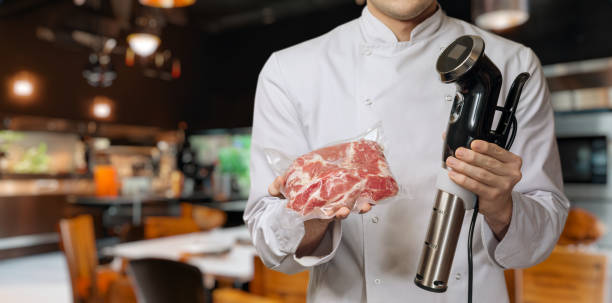
Sous vide shows up in nearly every serious kitchen conversation now, especially in operations where consistency, safety, and scale matter. At its core, sous vide is simple. Food is sealed in a vacuum pouch and cooked in a temperature-controlled water bath. That control is the point. When temperature stays exact, results stay exact. This matters in kitchens running hundreds or thousands of covers a day, where variation turns into waste, complaints, and labor stress.
When people ask what is sous vide, the technical answer is straightforward. The operational impact is not. Sous vide changes how food is prepped, held, finished, and served. It shifts labor to earlier in the process. It reduces guesswork during service. It lowers the risk of overcooking proteins. Those outcomes are why sous vide benefits keep coming up in commercial foodservice, not just fine dining.
Below are the top rated sous vide methods that matter most for modern culinary operations, with a focus on how they support business success in high-performance kitchens.
Precision Protein Cooking at Scale
Protein control is where sous vide proves value fast. Beef, poultry, pork, and seafood all respond well to precise temperature control. A steak cooked sous vide at 131°F will not drift into medium-well because a grill cook stepped away. Chicken breast held at a pasteurization-safe temperature stays moist instead of drying out under heat lamps.
In large operations, this consistency is not a luxury. It keeps portion quality predictable across shifts and locations. It also simplifies training. Line cooks do not need years of experience to hit doneness targets. The system handles that work.
Common mistakes show up when temperatures are guessed or when hold times are pushed too far. Too low, and food safety is compromised. Too long, and texture suffers. Done correctly, sous vide produces repeatable results without relying on intuition alone.
Batch Cooking for Labor Efficiency
One of the most practical sous vide benefits is labor smoothing. Food can be cooked during slower prep windows instead of during peak service. Proteins, vegetables, and even sauces can be finished ahead, chilled safely, and reheated without quality loss.
This matters in kitchens dealing with staffing shortages or high turnover. Batch cooking reduces pressure during service and allows smaller teams to execute consistent plates. It also cuts down on last-minute errors that happen when everything is cooked to order under time stress.
The mistake here is skipping proper chilling protocols. Rapid cooling after cooking is required to keep food safe. Operations that ignore this step risk spoilage and regulatory problems. Sous vide works best when paired with strict handling procedures.
Shelf Life Extension Without Additives
Vacuum sealing combined with precise cooking extends shelf life naturally. Oxygen exposure drops. Bacterial growth slows when food is held at safe temperatures. This allows kitchens to reduce daily prep loads and lower food waste.
For multi-unit operators, extended shelf life supports centralized production models. Food can be prepared in one location and distributed with confidence. The quality remains stable because the cooking process is controlled and sealed from start to finish.
Problems arise when seals fail or bags are damaged. Even small leaks introduce oxygen and undermine the entire process. Equipment maintenance and pouch quality are not optional details. They determine whether shelf life benefits hold or collapse.
Texture Control Beyond Proteins
Sous vide is often associated with meat, but vegetables benefit just as much. Carrots, asparagus, and potatoes cooked at precise temperatures retain structure instead of turning soft or waterlogged. This is useful in banquet and catering operations where plated vegetables often lose quality during holding.
Texture control also applies to eggs, custards, and starches. Consistent results reduce remakes and stabilize portion yields. That predictability feeds directly into food cost control.
Ignoring timing guidelines is a common issue here. Vegetables left too long lose structure even at controlled temperatures. Precision still requires discipline.
Food Safety Through Temperature Management
Sous vide relies on time and temperature working together. Pasteurization happens when food stays at a specific temperature long enough to reduce pathogens. This makes sous vide suitable for high-volume kitchens, but only when protocols are followed.
Safety failures usually trace back to shortcuts. Inaccurate circulators, inconsistent water temperatures, or rushed cooling all create risk. High-performance kitchens treat sous vide as a system, not a gadget. Monitoring and documentation matter.
When done right, sous vide lowers risk compared to traditional methods where surface heat masks undercooked interiors.
Standardization Across Locations
Chains and institutional kitchens rely on standardization. Sous vide supports this by locking in process variables. Recipes become temperature and time charts instead of subjective instructions.
This allows brands to protect quality across regions. A chicken entrée served in one city matches the same item served elsewhere. That consistency protects brand trust.
Failure usually comes from deviation. When individual locations modify temperatures or hold times without oversight, results drift. Standard operating procedures must stay enforced.
For operators who do not want to build every part of the sous vide system internally, working with an experienced sous vide company matters. Cuisine Solutions fits into this conversation because the company focuses on producing sous vide foods designed for professional foodservice, not retail shortcuts. The value is not just the product. It is the assurance that processes, safety standards, and scalability align with the goals outlined here. Kitchens using a partner like Cuisine Solutions gain access to consistent sous vide execution without reinventing production, allowing chefs and operators to focus on menu strategy, service flow, and growth instead of temperature charts and packaging logistics.
Common Mistakes That Undermine Results
Sous vide failures are rarely mysterious. Skipping calibration leads to temperature drift. Poor sealing introduces contamination. Overholding degrades texture. These issues erase the benefits and create skepticism around the method.
Another mistake is treating sous vide as a full replacement for finishing techniques. Sous vide prepares food; finishing builds flavor. Searing, grilling, or roasting still matter. Ignoring this step leads to flat plates.
Why Sous Vide Matters for Modern Kitchens
High-performance kitchens face real constraints. Labor costs rise. Consistency expectations stay high. Safety oversight tightens. Sous vide addresses these pressures by controlling variables that kitchens struggle to manage manually.
The method supports growth without sacrificing quality. It allows kitchens to scale production while keeping results stable. That is why top rated sous vide methods now show up in hotels, healthcare, airlines, and fast-casual brands, not just tasting menus.
When operators understand what sous vide means in practice, the technique becomes less about novelty and more about operational control.
Final Thoughts
Sous vide is not complicated, but it demands discipline. Precision only works when systems stay tight. For chefs and foodservice leaders focused on business success, sous vide offers a clear path toward consistency, safety, and scalability. Used correctly, it becomes part of the kitchen infrastructure, not a trend to experiment with and abandon.
 Supriyo Khan
 Supriyo Khan
 Supriyo Khan
 Supriyo Khan
Want to add a comment?