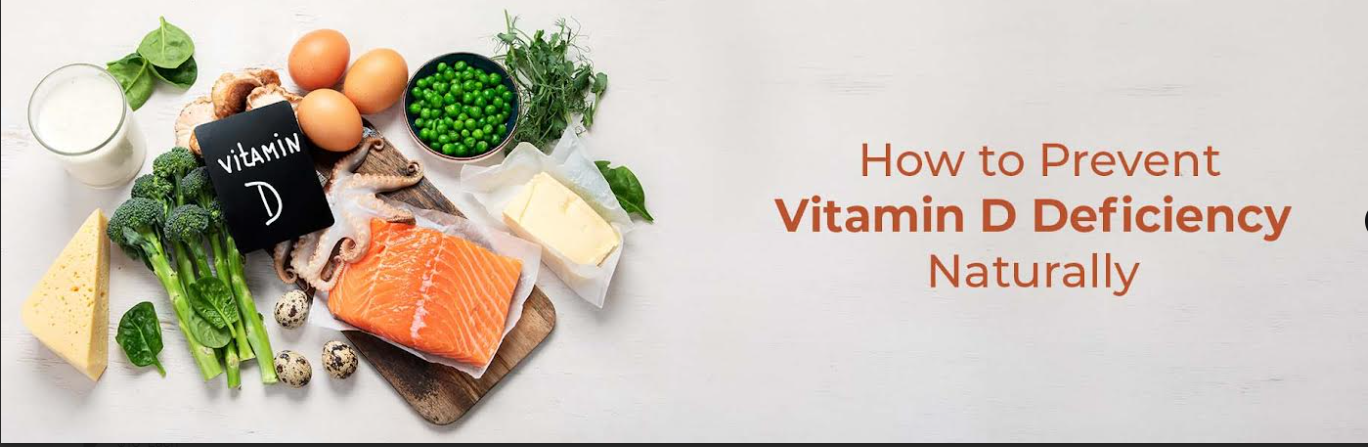
Vitamin D deficiency is incredibly common in most individuals. Approximately 70-100% of people in India have low vitamin D levels despite living in this sunny country! The worst part is that most people are unaware about it.
Not only does this have an impact on your bones, but vitamin D deficiency is also associated with many other serious health issues, including cardiovascular disease, diabetes, autoimmune diseases, depression, and some cancers.
In order to tackle the problem, we must first understand what causes this deficiency at large - which we’ll be explaining in this blog, along with some preventive measures. So dive in!
Why does vitamin deficiency occur? Let’s find out:
Vitamin D is produced when the body is exposed to sunlight (the UVB rays). However, the use of glass in buildings has made it impossible for these rays to penetrate inside, resulting in people being unable to produce sufficient vitamin D.
Melanin, the color-imparting pigment present in human skin, blocks some of the UVB rays that the body tries to use to make vitamin D. While this may be beneficial, it also makes it difficult for someone with dark skin to produce vitamin D as compared to those with light skin.
For most Indians, about 45 minutes of sun exposure every day is needed for proper vitamin D production.
Covering up outdoors and avoiding tanning limits sun exposure. Putting on sunscreen (while important) also blocks UVB rays. Air pollution also has a significant impact on decreasing sun exposure.
Most available foods do not contain high levels of vitamin D. Some foods that do, including fatty fish, egg yolks, and certain mushrooms, are not typically found in most Indian diets (vegetarian styles).
Many conditions affect the ability of the body to absorb vitamin D. Among these are Crohn's disease, celiac disease, and inflammatory bowel disease. Additionally, surgeries that eliminate certain portions of the small bowel may affect vitamin D absorption as well.
Here are a few ways to prevent a vitamin D deficiency:
This is the most efficient source of vitamin D, and it's free. For most skin tones in India, around 30 minutes of midday sun exposure (between 10 AM and 3 PM) on bare arms and legs, a few times a week, can meaningfully support vitamin D production.
Increasing intake of vitamin D-containing foods helps. Fatty fish is the most potent dietary source. For vegetarians, vitamin D-fortified milk, cereals, and certain mushroom varieties offer some contribution. These foods won't correct a significant deficiency on their own, but they reduce the gap.
For most Indians, especially those with multiple risk factors, supplementation is the most reliable correction method. The appropriate dose, however, varies significantly based on starting levels, age, body weight, and existing health conditions, which is why testing before supplementing makes more sense than guessing.
This is the part most people skip, and it's the most important step. Vitamin D is a fat-soluble vitamin, which means it can accumulate in the body. Taking high-dose supplements without knowing your baseline is not without risk.
Vitamin D toxicity, while uncommon, causes real harm through calcium accumulation in the blood. The right approach is to get a 25-hydroxyvitamin D blood test first, understand your actual levels, and then correct accordingly.
If you’re looking for a testing option, you can opt for LifeCell’s Ayushman Vital: a comprehensive, full body checkup package that also tests your vitamin D levels at very competitive prices. They are India’s fastest-growing NABL-accredited diagnostics chain, trusted by thousands of customers already.
Vitamin D deficiency in India is not uncommon. In fact, it's close to a default health state for millions of people. Factors like indoor lifestyle, dietary patterns, skin tone, pollution, and common health conditions all add up to account for this deficiency.
The good news is that catching it on time through testing and taking corrective measures can easily help you cover this gap.
 Supriyo Khan
 Supriyo Khan
 Supriyo Khan
 Supriyo Khan
Want to add a comment?