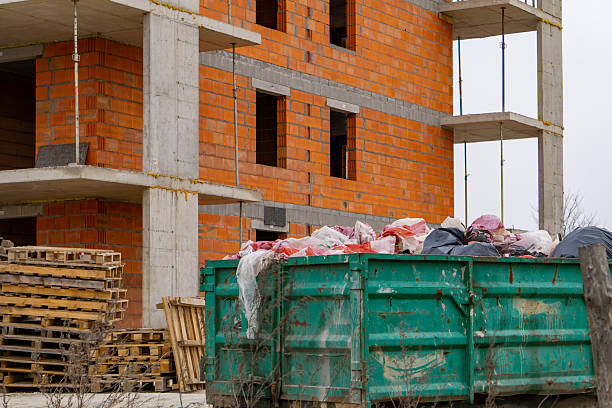
Renting a construction dumpster helps manage waste generated during building and demolition projects. A construction dumpster rental features a heavy-duty container with an open top to support the loading of large, bulky items from above. Here are a few tips for renting a construction dumpster:
Select a Size
Match the construction dumpster rental size to your project to prevent the container from filling too fast. A 10-yard or 15-yard dumpster works well for minor repairs, while a 30-yard or 40-yard container supports large-scale debris removal. While larger dumpsters offer more volume, heavy materials like brick and concrete fill up a container’s weight limit quickly.
Selecting a size that can safely handle the debris density avoids the risk of overfilling beyond a hauler’s capacity. When choosing the container size, evaluate the available physical space at the site where the container will be placed. If you are unsure between two sizes, select the larger option to accommodate unexpected waste.
Confirm your preferred placement in advance to verify drivers can safely position the container on driveways, yards, or walkways. Professionals help choose a location that works for loading and removal to allow your project to proceed without interruptions. Properly planning the placement of your container promotes the safety of your property and an efficient workflow. Since delivery trucks need ample space to maneuver, select a location with overhead clearance from low-hanging branches or power lines.
Choose a flat, firm surface like a paved driveway or gravel area to prevent the container from sinking or shifting. Position the dumpster close to the primary work area to allow teams to dispose of materials quickly; the spot should not block access to garages or walkways. Avoid placing the dumpster directly over septic tanks or sprinkler systems to avoid structural damage.
Placing thick sheets of plywood or wooden planks where the container will rest distributes the weight across a wider area. The precaution prevents the bin from sinking into soft ground or leaving indentations on asphalt and concrete. Move any items you wish to keep away from the workspace to prevent them from being disposed of accidentally. When loading construction materials, do not allow debris to hang over or spill to the ground. Keeping the area tidy prevents damage to the surrounding vegetation and pavement. It may also help prevent the occurrence of slip and fall accidents on your property.
Coordinating your project schedule and service timing helps maintain a steady workflow throughout your construction. Manage the arrival and departure of your container in the following ways:
Reserve in advance
Utilize prompt services
Estimate rental duration
Plan for swaps
Contact a dumpster provider before your project begins to confirm that they have the container size you need before the start date. Since some projects need immediate waste management, you can utilize same-day or next-day delivery and pickup services. Estimate how long you will need the dumpster to plan for a timely removal once the project concludes. Notify the rental provider as soon as the bin is full to facilitate a quick retrieval; timely retrievals prevent debris from accumulating outside of the designated container. If your construction project generates waste that exceeds the capacity of a single bin, schedule a swap-out.
Categorize waste materials before disposal to utilize the container correctly for your renovation or building needs. Identify whether the project will generate wood and drywall, or heavier materials like brick and dirt. Dumpsters are able to hold yard waste, roofing shingles, or old carpeting, depending on the specific focus of your cleanup. Review what items your dumpster service provider prohibits to keep hazardous materials out of the waste stream. Categorizing your project waste helps maximize the capacity for specific debris. Depending on the nature of your project, you can plan your loading strategy so that the container accommodates the entire waste volume.
For roofing projects or yard cleanups, you can choose specialized bins, including compact models for tight residential spaces and shorter, heavy-duty containers for bulky or weighty materials. These rental containers help streamline project cleanup. Contact a reputable construction dumpster rental company to learn more about their services.
 Supriyo Khan
 Supriyo Khan
 Supriyo Khan
 Supriyo Khan

Want to add a comment?