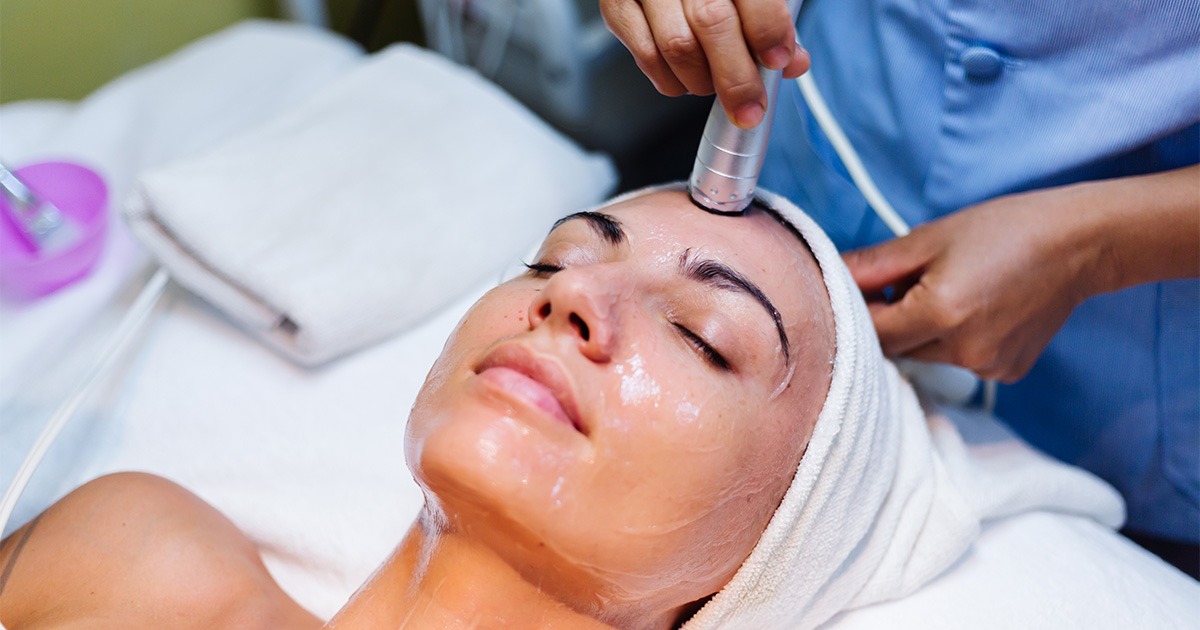
Skincare trends come and go, but one thing remains constant: the demand for products that deliver real results. While beautiful packaging and celebrity endorsements can be alluring, the true measure of a skincare product lies in its ingredients and the scientific evidence supporting its claims. Navigating the world of cosmeceuticals can be overwhelming, but understanding the key players can empower you to make informed decisions for your skin's health.
This guide will break down some of the most effective, science-backed ingredients in professional skincare, explaining what they do and how they can transform your complexion. By focusing on proven actives, you can build a routine that truly works.
Retinoids, which are derivatives of vitamin A, are perhaps the most researched and celebrated ingredients in dermatology. Their reputation as the "gold standard" for anti-aging is well-earned. When applied to the skin, retinoids convert to retinoic acid, which then works at a cellular level to accelerate skin cell turnover. This process helps to shed old, damaged skin cells and bring fresh, new cells to the surface.
The benefits are extensive. Studies have consistently shown that retinoids can visibly reduce the appearance of fine lines and wrinkles, improve skin texture, and fade hyperpigmentation. A pivotal study published in the Archives of Dermatology found that topical retinol significantly improved fine wrinkles associated with natural aging after 12 weeks of application. Furthermore, by unclogging pores and regulating cell turnover, retinoids are also a highly effective treatment for acne and can help with the appearance of post-inflammatory hyperpigmentation.
Vitamin C, particularly in the form of L-ascorbic acid, is a potent antioxidant that plays a crucial role in skin health. Our skin is constantly exposed to environmental aggressors like UV radiation and pollution, which generate free radicals. These unstable molecules cause oxidative stress, leading to premature aging, inflammation, and cellular damage.
As a powerful antioxidant, Vitamin C neutralizes these free radicals, effectively shielding the skin from harm. Research has demonstrated that daily use of a well-formulated Vitamin C serum can lead to a brighter, more even skin tone. It also plays an essential part in collagen synthesis. Collagen is the protein responsible for skin’s firmness and elasticity, and its production naturally declines with age. By stimulating collagen production, Vitamin C helps to maintain a youthful, plump appearance. When choosing a product, look for one with a concentration between 10% and 20% for optimal effectiveness.
Don't let the word "acid" fool you—hyaluronic acid (HA) is a gentle, moisture-binding substance naturally found in our skin. It's a humectant, meaning it draws moisture from the environment and holds it in the skin. In fact, HA is capable of holding up to 1,000 times its weight in water, making it an incredibly effective hydrator for all skin types.
As we age, our skin's natural HA levels deplete, leading to dryness, loss of volume, and the formation of fine lines. Incorporating hyaluronic acid supplements into your skincare routine helps to replenish this moisture from within, resulting in plumper, smoother, and more supple skin. A 2014 study in the Journal of Cosmetic Dermatology confirmed that products containing hyaluronic acid significantly decreased wrinkle depth and enhanced skin hydration and elasticity. Its lightweight nature makes it suitable even for oily and acne-prone skin, providing necessary hydration without clogging pores.
Chemical exfoliants are acids that work by dissolving the bonds holding dead skin cells together, allowing them to be shed more easily. This process reveals the smoother, brighter skin underneath and is often gentler and more effective than physical scrubs. The two main categories are Alpha-Hydroxy Acids (AHAs) and Beta-Hydroxy Acids (BHAs).
AHAs, such as glycolic and lactic acid, are water-soluble and work on the skin's surface. They are excellent for addressing concerns like dullness, uneven texture, and hyperpigmentation. Glycolic acid, with its small molecular size, penetrates deeply to stimulate collagen, making it effective for anti-aging. Lactic acid is gentler and has hydrating properties, making it a good choice for sensitive skin.
BHAs, with salicylic acid being the most common, are oil-soluble. This allows them to penetrate deep into the pores to dissolve sebum and dead skin cells, making them ideal for treating acne, blackheads, and enlarged pores. There are many effective professional acne scar treatments available that utilize these ingredients to improve skin texture and reduce the appearance of scarring over time. By incorporating the right chemical exfoliant, you can significantly improve skin clarity and health.
Investing in professional, science-backed skincare is an investment in your skin's long-term health. By understanding these powerhouse ingredients, you can cut through the marketing noise and choose products such as L'Organic that will deliver tangible, lasting results.
 Supriyo Khan
 Supriyo Khan
 Supriyo Khan
 Supriyo Khan

Want to add a comment?