Employee well-being plays a major role in how people perform at work each day. But how can companies truly understand what their workers need to stay healthy and feel supported?
Health analytics gives clear and useful data that helps answer this question. It shows patterns, highlights risks, and guides better choices. With this information, leaders can design wellness plans that fit real needs. When used well, health analytics can create safer, happier, and stronger workplaces. Read on.
Health analytics helps companies understand what workers need by studying simple health trends. It shows clear information about stress levels, common health risks, and workplace habits.
With this knowledge, leaders can make smart plans that support overall well-being. This also allows teams to feel seen and understood. By using data to guide decisions, organizations can create wellness steps that match the true needs of their people, rather than guessing or using general programs.
Analytics makes wellness programs stronger because it shows what works and what does not. This helps companies avoid wasting time on activities that do not help employees. They can use the data to bring in new ideas that support better health.
When programs match real needs, participation becomes higher. In one step, leaders can also explore tools; you can learn more about Axiom Medical App, for instance, and see how digital support can improve wellness results.
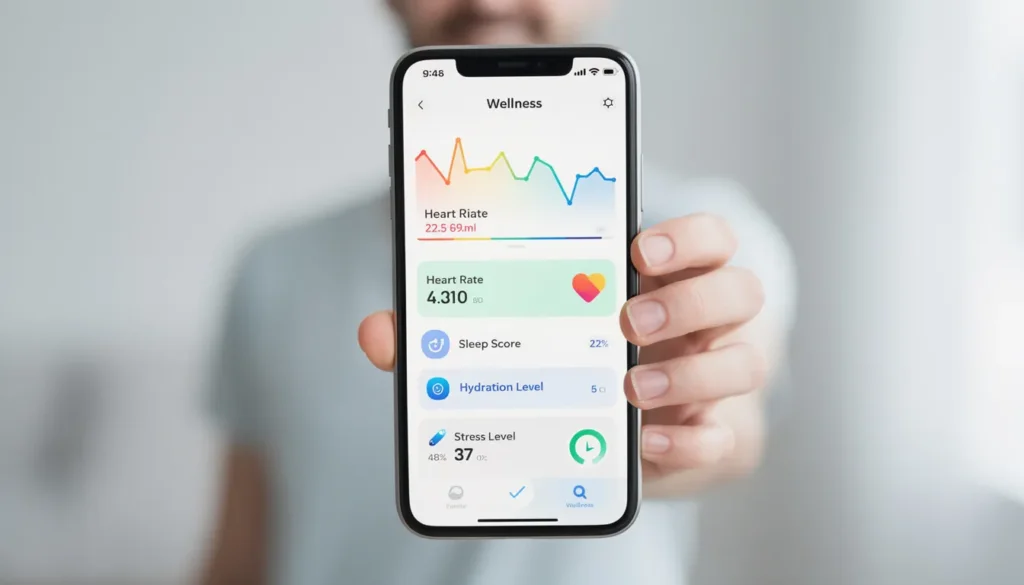
Tracking tools allow employees to follow their own progress in simple ways. They can monitor sleep, exercise, or stress levels with more awareness. When people see patterns, they feel more motivated to make healthy changes. These small improvements can lead to long-term wellness.
With the help of analytics, companies can also remind employees about healthy routines at the right time. These reminders support positive habits without adding pressure.
Health analytics helps companies understand how engaged employees are with wellness steps. It shows which activities bring the most interest and where support may be missing.
With this information, leaders can create better programs that feel meaningful. Workers often become more active when they feel the company truly cares. This leads to a workplace culture built on trust and respect. When employees feel supported, they are more likely to stay focused and productive.
Using analytics makes it easier to plan long-term wellness strategies. Leaders can study data from different periods and see how health needs change. This helps them build flexible programs that grow with the company.
Long-term planning can prevent future health risks and reduce workplace stress. It also supports a stable and caring environment. With clear data guiding the way, companies can keep improving their wellness efforts year after year.
Health analytics gives companies the power to understand and support their employees more effectively. By using data in simple and helpful ways, workplaces can create wellness strategies that truly make a difference. Employees feel more valued when their needs are recognized. This leads to better engagement, stronger teamwork, and healthier habits.
Over time, organizations can build a work culture where health and well-being are always a priority. When companies take these steps, everyone benefits in meaningful ways.
If you enjoyed this article, feel free to explore more helpful topics on our blog.
 Supriyo Khan
 Supriyo Khan
 Supriyo Khan
 Supriyo Khan

Want to add a comment?