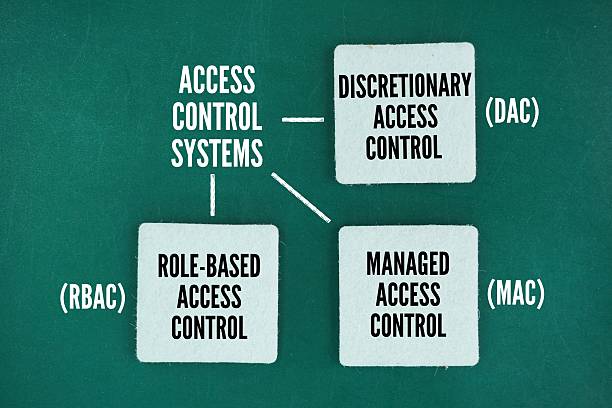
In today's digital environment, safeguarding your critical data and optimizing internal processes are key to success. One of the most effective ways to achieve both is by implementing Role-Based Access Control (RBAC). This article explores the main benefits of RBAC, explains why it’s essential for businesses, and demonstrates how it can enhance the security and efficiency of your CRM system.
What is Role-Based Access Control?
Role-Based Access Control (RBAC) is a security model that governs system access according to the roles assigned to employees within an organization. Each role comes with specific permissions, ensuring that only authorized users can access the information needed for their tasks.
Why is RBAC Important for Your Business?
RBAC offers several advantages for businesses, especially those handling private customer data:
- Improved Data Protection. By limiting access to data according to roles, RBAC significantly lowers the chances of unauthorized access, protecting confidential customer records and making sure only those who need the information for their work can access it.
- Streamlined Operations. With each staff member receiving access only to the resources relevant to their role, they can focus on their duties without unnecessary interruptions. RBAC simplifies workflows by preventing information overload and allowing employees to concentrate on what’s most important.
- Accountability and Transparency. Since every action within the system is tied to specific roles, it’s easy to track who performed which tasks and when. This visibility not only helps with auditing but also promotes a sense of responsibility within the organization.
- Reduced Human Error. RBAC limits who can alter important information, reducing the likelihood of unintentional mistakes. For example, only authorized staff can make changes to customer records, ensuring that crucial data remains intact.
- Scalability for Growing Teams. As your business expands, managing access becomes even more vital. With RBAC, you can assign and modify permissions as your team grows. New employees can be easily given the correct roles without the complexity of manual access management.
How RBAC Works in Your CRM System
When implemented in CRM systems, RBAC enhances both security and workflow efficiency. Here’s how RBAC operates within your CRM:
- Evaluate Your Business Needs: Begin by assessing your organization’s structure to identify the roles and permissions required for each position. For example, a Sales Manager might need broader access than a Junior Sales Representative.
- Assign Roles and Permissions: Define roles based on job functions and assign the relevant permissions to each. These permissions determine what data can be viewed, modified, or deleted. The more specific the permissions, the better control you’ll have over your data.
- Assign Roles to Employees: Once roles are defined, allocate them to CRM users based on their responsibilities. This way, each employee can access the features they need to perform their tasks effectively, which simplifies workflows.
- Monitor and Adjust: Regularly review your RBAC system to ensure it still meets your business needs. As your company evolves, you may need to update roles and permissions to accommodate new workflows or organizational changes.
In addition to the role-based access control benefits, integrating an advanced MCA CRM by SugarAnt can further enhance your team's ability to securely manage and optimize business data. The platform ensures seamless control over user permissions while streamlining customer interactions and improving operational efficiency.
Benefits of Implementing RBAC in Your Business
- Stronger Data Protection: RBAC ensures that only authorized users can access sensitive information, minimizing the risk of data leaks or breaches.
- Enhanced Focus and Productivity: By limiting access to relevant data for each role, your team can focus on their tasks and work more efficiently.
- Clear Accountability: RBAC’s structure makes it easier to track who accessed what data, promoting greater responsibility within the organization.
- Scalability: As your team grows, RBAC makes it simple to expand access control without overwhelming your IT team.
Conclusion
RBAC is a powerful tool for improving data security, simplifying workflows, and ensuring accountability within your business. By restricting access based on roles, you can strengthen your CRM system’s security while enhancing your company's overall operational efficiency. Implementing RBAC is a strategic move that ensures your business grows securely, maintains privacy, and keeps operations running smoothly.
If you're looking to safeguard your business data and organize access efficiently, adopting RBAC within your CRM system is the ideal solution. Start using RBAC today and enjoy the peace of mind that comes with knowing your company’s data is well-protected.
 Supriyo Khan