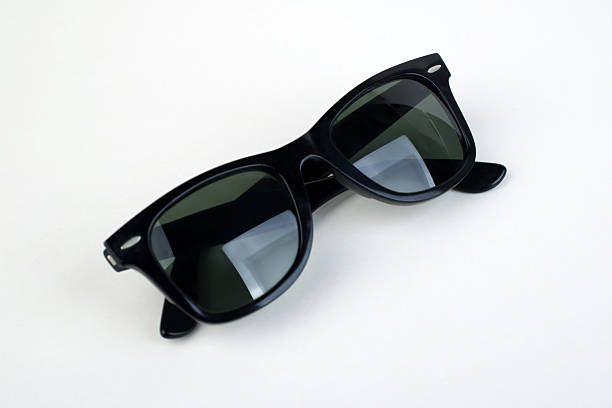
When you’re skiing down a powdery slope or carving through fresh snow on a snowboard, visibility isn’t just about comfort—it’s about safety and performance. Snow reflects up to 80% of UV rays, which can cause glare, eye strain, and reduced contrast. Choosing the right sunglasses can make a huge difference on the mountain. Two of the most popular options are mirrored sunglasses and polarized sunglasses, but which one is actually better for skiing and snowboarding?
In this guide, we’ll break down how each lens type works, their pros and cons, and how to decide which is best for your winter sports needs.
Why Sunglasses Matter in Snow Sports
Many people assume goggles are the only option for skiing and snowboarding, but sunglasses are widely used during spring skiing, backcountry runs, casual slopes, and après-ski sessions. High-quality sports sunglasses at GlassesShop are designed to offer UV protection, durability, and a secure fit,essential features for active winter conditions.
Without proper eye protection, intense sunlight combined with snow glare can lead to temporary vision issues like snow blindness, headaches, and fatigue. That’s where specialized lenses come into play.
What Are Mirrored Sunglasses?
Mirrored sunglasses feature a reflective coating applied to the outside of the lens. This coating reflects light away from the eyes rather than absorbing it.
Excellent glare reduction: The mirrored coating reflects strong sunlight, making them ideal for bright, high-altitude conditions.
Reduced eye strain: Less light entering the eye means greater comfort during long sessions on the slopes.
Enhanced contrast in bright snow: They help maintain visual clarity when sunlight is intense.
Stylish and sporty look: Many athletes prefer the bold, performance-driven appearance of mirrored lenses.
You can explore high-performance mirrored sunglasses designed specifically for outdoor and sports use, offering both function and style.
Not as effective in low-light or overcast conditions
Scratches on the mirrored coating can be more noticeable
Usually work best when paired with another lens technology (like polarization)
What Are Polarized Sunglasses?
Polarized sunglasses are designed to reduce horizontal glare caused by light reflecting off flat surfaces such as snow, ice, and water. They use a special filter that blocks this glare before it reaches your eyes.
Superior glare elimination: Polarization is highly effective against snow glare.
Improved visual clarity: Enhances contrast and sharpness, helping you see terrain changes clearly.
Better depth perception: Useful for spotting icy patches, moguls, and uneven surfaces.
Reduced eye fatigue: Especially helpful during long days on the mountain.
High-quality polarized sunglasses are particularly popular among skiers and snowboarders who prioritize clear vision and eye comfort.
May slightly reduce visibility of LCD screens (like phone or watch displays)
Typically more expensive than standard lenses
Less reflective light blocking compared to mirrored lenses alone
Mirrored vs. Polarized: A Side-by-Side Comparison
Which Is Better for Skiing and Snowboarding?
The answer depends on when, where, and how you ski or snowboard.
You ski mostly on very bright, sunny days
You want maximum light reflection
You prefer a bold, sporty appearance
You’re skiing at high altitudes with intense sun exposure
You ski in varied lighting conditions
You want the best possible glare reduction
You prioritize terrain visibility and depth perception
You experience eye strain or headaches from glare
Many modern sports sunglasses combine both mirrored and polarized lenses, offering superior glare reduction, clarity, and comfort. This combination is often considered the ideal choice for skiing and snowboarding, especially for advanced riders or long sessions.
Additional Features to Look For
No matter which lens type you choose, keep these features in mind:
100% UV protection to shield eyes from harmful rays
Impact-resistant lenses for safety during falls
Anti-fog coating for changing temperatures
Secure, non-slip frames to stay in place during movement
Wraparound design for wind and snow protection
Well-designed sports sunglasses enhance not only your vision but also your confidence on the slopes.
Final Verdict
Both mirrored and polarized sunglasses have clear advantages for skiing and snowboarding. Mirrored lenses excel in bright, sunny environments, while polarized lenses offer unmatched glare reduction and visual clarity. If you often ride in changing light conditions, polarized sunglasses are usually the safer bet. For peak sunlight and style, mirrored sunglasses shine.
For the ultimate performance, consider sunglasses that combine both technologies—giving you the comfort, protection, and clarity needed to enjoy every run.
Whether you’re a weekend skier or a serious snowboarder, investing in the right sunglasses can elevate your mountain experience from good to exceptional.
 Supriyo Khan
 Supriyo Khan
 Supriyo Khan
 Supriyo Khan
Want to add a comment?