What Modern Life Does to the Spine
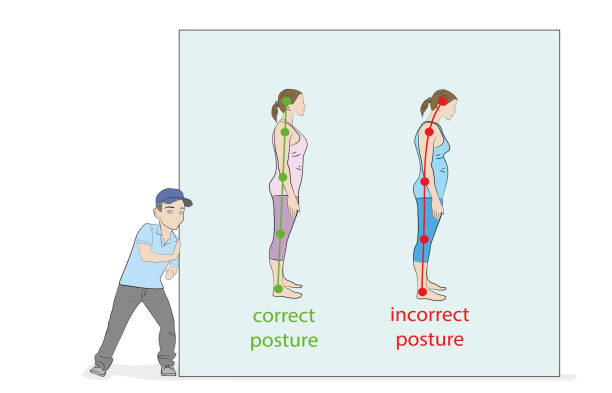
Slumping over keyboards all day warps the natural curve in your lower back. Hunching forward during endless meetings pulls the head out of alignment with the spine. Shoulders round because screens demand that constant gaze downward. These positions strain the ligaments holding vertebrae in place. Muscles in the neck tighten to compensate for the forward tilt. Over hours, the spine starts to adapt poorly. Desk setups force legs to dangle or cross awkwardly. This shortens hip flexors and weakens glutes. Years pass. The imbalances build. Upper back rounds more. Lower back sags. Nerves get pinched subtly. Blood flow to spinal tissues slows. Sitting replaces walking. The spine loses its shock-absorbing function. Discs compress unevenly. Facet joints wear on one side. Daily habits etch these changes permanently without correction.
Pills numb the ache in your back temporarily. They block signals from inflamed nerves. But the twisted posture stays. Muscles keep pulling unevenly. Doctors prescribe more as tolerance builds. Side effects creep in like stomach issues or drowsiness. Chronic pain lingers because the spine's structure hasn't shifted. Medications target inflammation or perception of hurt. They ignore why the joint locks up. Root issues involve years of poor mechanics. Pharma handles acute flares well. Long-term management fails without addressing mechanics. Patients cycle through doses. Dependency grows. Real relief demands fixing the imbalance source.
Vertebrae shift slightly out of position from constant forward lean. This creates subluxations. Nerves exiting the spine get irritated. Signals to muscles disrupt. One side overworks while the other weakens. Posture distorts further. Head juts forward. Neck muscles spasm to hold it. Lower down, pelvis tilts. Hips rotate unevenly. Legs compensate with altered gait. Pain radiates from these chains. Interference reduces organ function signals subtly. Blood vessels compress near misaligned joints. Inflammation builds locally. The body sets in compensation loops. Daily activities worsen the cycle. Alignment loss snowballs into widespread tension.
Persistent low back pain after sitting flares up. Neck stiffness limits turning the head fully. Headaches start from upper spine tension. Numbness tingles down arms or legs. These signal potential misalignment issues. Chiropractic helps with sciatica from disc pressure. It eases tension headaches tied to cervical shifts. Red flags include sudden weakness in limbs. Unexplained bowel changes. Severe pain after minor twists. Seek evaluation immediately for those. A St George chiropractor or similar qualified practitioner can provide proper assessment and personalized treatment plans. Urban practitioners focus on desk-related strains. Rural ones handle more labor-induced wear. Diagnosis varies by patient age and job type. Older folks get gentler approaches. Active adults emphasize mobility restoration.
Hands apply controlled force to a stuck joint. This creates a quick stretch in surrounding tissues. Receptors in ligaments fire rapidly. Brain gets updated on position. Muscles relax from the input. Joint surfaces glide better post-adjustment. Blood flow increases to the area. Inflammatory chemicals decrease. Neurological pathways reset mildly. Spine's proprioception improves. Patients feel looser immediately. Mobilization uses slower pressure. It suits sensitive cases. Adaptations build over sessions. Strength returns as nerves function clearer. Studies show reduced pain markers in blood. No instant cures. Changes accumulate gradually.
Ergonomic chairs support lumbar curve naturally. Standing desks alternate positions hourly. Core exercises like planks stabilize the spine. Stretches target tight chest muscles daily. Postural cues remind slouchers to straighten. Nutrition aids tissue repair with anti-inflammatory foods. Sleep positions avoid stomach lying. Therapists add ultrasound for deep warming. Massage releases knotted traps. Education on lifting techniques prevents re-injury. Patients track habits at home. Full care integrates these elements. Results last longer with daily input.
Relief hits in days for acute strains. Chronic cases take weeks of consistent visits. Track pain levels on a simple scale. Note easier bending or longer sitting tolerance. Sleep quality often improves first. Acute responds faster because inflammation drops quick. Chronic needs structural retraining. Progress varies by adherence. Some feel 50% better in a month. Others need three. No promises of total fix. Honesty beats hype. Plateaus happen. Adjustments continue as needed.
Daily walks maintain mobility. Weight training balances muscle groups. Avoid prolonged static postures. Annual checkups catch shifts early. Maintenance visits every few months differ from weekly crisis fixes. Patients own their routines. Professionals guide but don't babysit. Results fade without effort. Prevention beats reaction every time.
 Supriyo Khan
 Supriyo Khan
 Supriyo Khan
 Supriyo Khan
Want to add a comment?