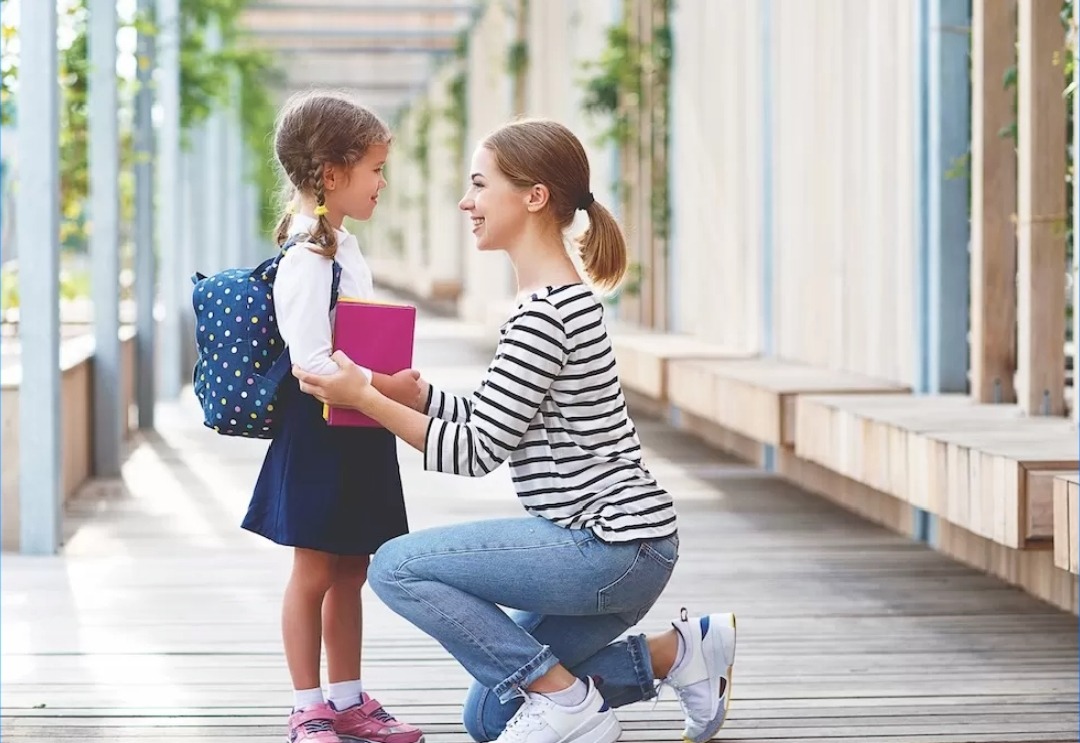
Starting Prep is a major milestone for both children and parents. The transition into a structured classroom environment introduces new routines, expectations, and social experiences that can feel exciting but also challenging for many young children. During the first term, teachers spend significant time observing how children adjust emotionally, socially, physically, and academically within the school setting. Many parents reviewing a school readiness checklist for Prep are often surprised to learn that teachers focus on far more than early reading or counting skills during those first few months of school.
The first term of Prep is largely about adjustment and adaptation. Teachers look closely at how children manage routines, interact with others, follow instructions, and participate in classroom activities. While academic foundations are important, many of the skills that influence a child's early school experience involve communication, emotional regulation, attention, and independence rather than advanced academic knowledge.
One of the first things teachers commonly observe is how children manage emotions throughout the school day. Starting school introduces many new experiences, including separating from parents, following schedules, participating in group activities, and navigating unfamiliar social situations.
Some children adapt quickly to these changes, while others may struggle with frustration, anxiety, or emotional overwhelm during the early weeks of school. Teachers often pay attention to how children respond when routines change, when tasks feel difficult, or when conflicts arise with classmates.
Emotional regulation skills that teachers commonly observe include:
Children do not need to manage every situation perfectly during their first term, but teachers often look for gradual progress in emotional adjustment and self-regulation as children become more comfortable in the classroom environment.
Prep classrooms involve constant social interaction throughout the day. Children are expected to share materials, work alongside peers, participate in group discussions, and follow classroom routines together. Teachers often notice how children communicate with classmates and whether they can engage cooperatively during activities and play. Social confidence can strongly influence how comfortable children feel during the early stages of school.
Children who struggle socially may become hesitant to participate in classroom activities or may experience frustration during group interactions. Early social development helps children feel more secure and connected within the school environment. Teachers also understand that social confidence develops gradually. The first term is often viewed as an important adjustment period where children begin building friendships and learning how to interact within larger group settings.
One of the biggest transitions children experience during Prep is learning to function more independently throughout the day. Teachers often notice very quickly whether children can manage basic self-care and classroom responsibilities without constant adult assistance. Independence allows children to participate more confidently in classroom routines while helping teachers manage larger groups effectively. While teachers support children throughout the day, classrooms operate more smoothly when students can complete simple tasks independently.
Some of the independence skills teachers commonly look for include:
Children who are still developing independence may need additional support early in the school year, which is completely normal. However, practicing these routines before starting school can often help children feel more confident and prepared during the first term.
Many parents focus heavily on early academic skills before children start Prep, but teachers often place equal or greater importance on attention and listening abilities during the first term. Classroom learning requires children to listen to instructions, remain engaged during group activities, and shift attention between different tasks throughout the day. Children who struggle to focus or follow verbal directions may find classroom participation more challenging initially.
Attention skills continue developing throughout early childhood, and many children require time to adjust to the structure of a classroom environment. Consistent routines and supportive guidance often help children gradually strengthen these abilities over time. Teachers are not expecting children to sit perfectly still or maintain full concentration all day long. Instead, they look for steady improvement as children become more familiar with classroom expectations and learning routines.
Fine motor development plays a surprisingly important role during the first term of school. Teachers quickly notice how children manage tasks involving pencils, scissors, glue, drawing, and classroom materials. Children with weaker fine motor skills may become frustrated more easily during table-based activities because simple tasks require greater physical effort and concentration. This can sometimes affect confidence and participation during classroom work.
Occupational therapy support is sometimes recommended when children experience ongoing challenges with fine motor development, attention, emotional regulation, or independence skills. Hope Kids OT School Readiness Checklist provides information for parents preparing children for the transition into Prep and identifying important school readiness skills. Developing fine motor abilities before school can help children feel more capable and comfortable when completing classroom activities that involve writing, cutting, colouring, and manipulating small objects throughout the day.
One important thing parents should remember is that adjustment to Prep varies significantly between children. Some children feel confident immediately, while others require more time to adapt to routines, social expectations, and classroom environments. Teachers expect a wide range of abilities and personalities during the first term. The goal is not perfection but gradual progress as children settle into school life and build confidence in their new environment.
Factors such as previous kindergarten experience, personality, communication skills, emotional confidence, and exposure to group settings can all influence how children adjust during the early stages of school. Teachers generally focus on helping children feel supported and secure while encouraging steady growth over time.
Many parents understandably focus on teaching letters, numbers, and early literacy before school begins. While these skills can certainly help, teachers often find that emotional, social, and self-management skills play an equally important role during the first term.
Children who can communicate needs, participate in routines, manage emotions reasonably well, and interact positively with peers often adapt more comfortably to the classroom environment. Academic skills continue developing throughout Prep, but school readiness involves much broader developmental areas. This is why school readiness programs and occupational therapy support frequently focus on overall development rather than academics alone. Building confidence, resilience, independence, and communication skills can significantly support a smoother transition into school life.
The first term of Prep is a significant adjustment period where teachers observe far more than academic ability alone. Emotional regulation, social interaction, independence, attention, and fine motor development all play major roles in how comfortably children adapt to the classroom environment.
Teachers understand that every child develops differently and that adjustment takes time. The goal during the first term is often helping children build confidence, participate in routines, and feel secure within the school setting rather than expecting perfect performance immediately. For parents, understanding the broader meaning of school readiness can help reduce unnecessary pressure while allowing greater focus on the skills that truly support a successful and positive transition into school life.
 Supriyo Khan
 Supriyo Khan
 Supriyo Khan
 Supriyo Khan

Want to add a comment?