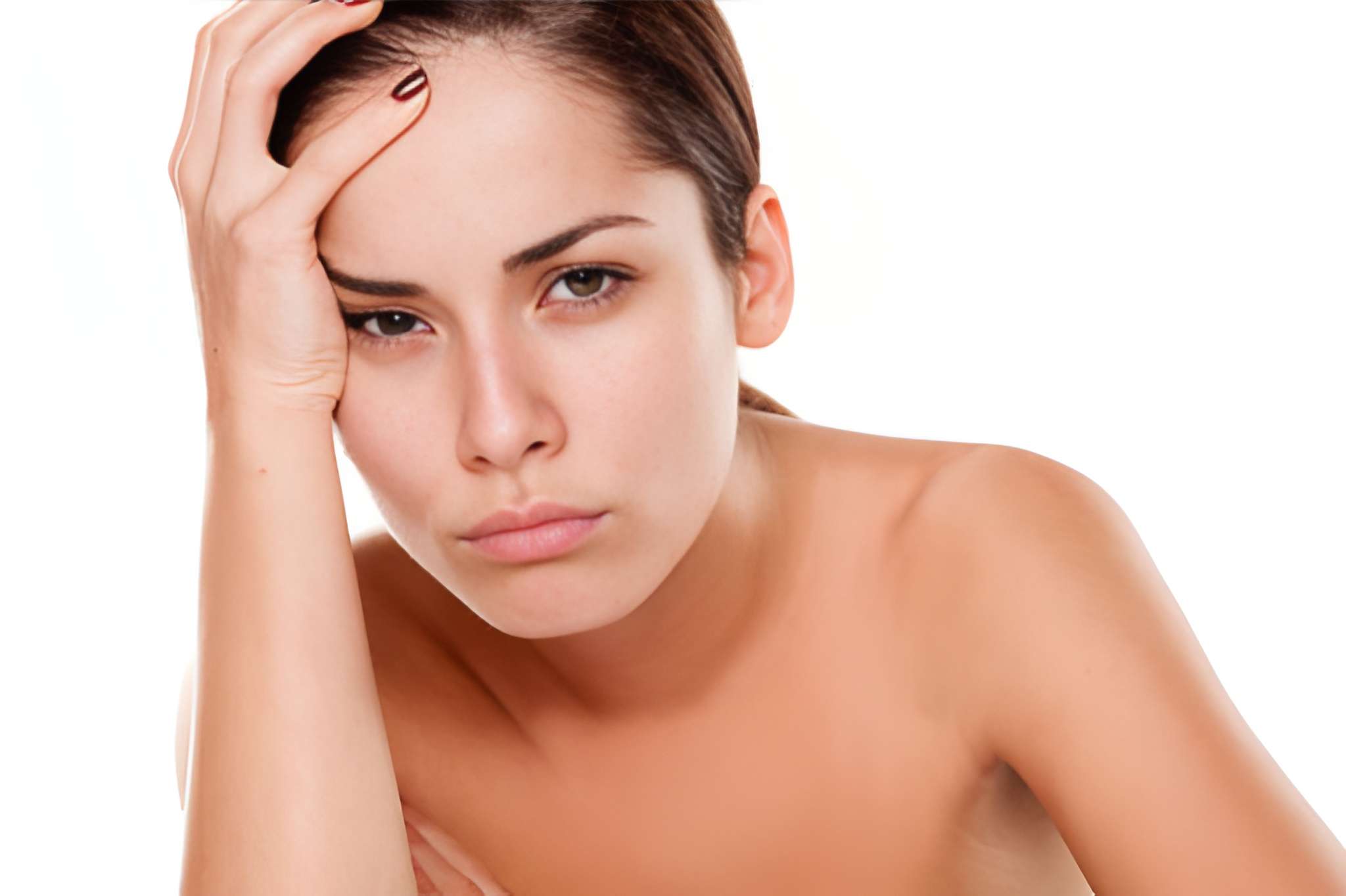
If you were to open the medicine cabinet of the average modern woman, you would likely find an arsenal of hydration. There are serums for the face, creams for the eyes, lotions for the hands, and butters for the body. We understand, intuitively and scientifically, that moisture is the key to skin health. We know that dry skin is fragile skin, prone to cracking, aging, and irritation.
Yet, if you look a little lower, there is a glaring blind spot. The most delicate, sensitive, and absorbent skin on the female body—the vulva and the vaginal vestibule—is often left completely undefended in a hydration desert.
This is the "Great Hydration Gap." It is a disconnect between how we treat the skin we show the world and how we treat the skin that defines our intimate health. For decades, the conversation around intimate care has been dominated by "cleaning" (getting rid of odor) or "lubricating" (for sexual activity). We have completely skipped the middle ground: daily maintenance and hydration for comfort and tissue integrity.
To understand why this gap matters, we must first understand the unique architecture of the area. We often lump everything under the umbrella term "down there," but biologically, we are dealing with two distinct types of tissue.
First, there is the vulva (the outer lips), which is keratinized skin similar to your arm, but significantly thinner and more permeable. Then, there is the vestibule and the internal canal, which are mucous membranes. Unlike the skin on your nose or forehead, which is dotted with sebaceous (oil) glands that pump out natural moisture to keep the skin supple, the intimate tissues rely heavily on hormonal regulation to stay hydrated.
Estrogen is the master architect of this hydration. It encourages blood flow to the pelvic region, keeps the tissue plump (collagen-rich), and stimulates the production of natural lubrication.
However, estrogen is not a constant companion. It fluctuates wildly during a woman's life. It drops during breastfeeding. It can be suppressed by certain birth control pills. And, most significantly, it begins to plummet during perimenopause and menopause.
When estrogen leaves the building, the moisture goes with it. The tissues become thinner, less elastic, and drier. This condition, medically known as Genitourinary Syndrome of Menopause (GSM) or vulvar atrophy, creates a sensation often described as "paper-thin" or "sandpaper-like." Yet, because we have been conditioned to think of intimate care only in the context of sex, many women suffer through this daily dryness thinking it is just a "dry spell" rather than a physiological drought requiring a skincare solution.
One might ask: "If it's dry, why not just slap on some body lotion?"
This brings us to the most critical reason for the Hydration Gap: Permeability.
The skin of the vulva is not like the skin on your heel. It is non-keratinized or semi-keratinized, meaning it lacks the tough, dead outer layer that acts as a shield. It is incredibly absorbent. Studies suggest that the vaginal and vulvar tissues can absorb chemicals into the bloodstream at a rate significantly higher than other parts of the body.
This high absorption rate makes the area uniquely vulnerable to chemical irritants. Standard body lotions are often loaded with synthetic fragrances, parabens, dyes, and preservatives. On your leg, these might cause a mild itch. On your vulva, they can cause contact dermatitis, stinging, and a disruption of the delicate bacterial microbiome.
Furthermore, standard lotions are often occlusive—they contain heavy petrolatum or mineral oils designed to sit on top of the skin. In the warm, enclosed environment of the groin, heavy occlusives can trap bacteria and heat, leading to folliculitis or yeast infections.
The other factor preventing the use of standard moisturizers is pH. The intimate environment is acidic, typically sitting between a pH of 3.8 and 4.5. This acidity is a defense mechanism; it keeps pathogens and bad bacteria from colonizing.
Most soaps, body washes, and standard lotions are alkaline (pH 7 to 9). Using them on intimate tissue is like dropping a bomb on the ecosystem. It strips the acid mantle, leaving the skin dry, irritated, and prone to infection.
This creates a vicious cycle. A woman feels dry and itchy (often due to pH imbalance or hormonal dryness), so she washes more aggressively to "clean" the itch, which strips the oils further, making the dryness worse.
The solution to the Hydration Gap lies in treating intimate skin with the same sophistication we treat our faces. This trend, often called the "skinification" of body care, acknowledges that this area needs specific, targeted ingredients.
We are moving away from the era of "douches" (which are harmful) and "perfumes" (which are irritating) toward the era of restorative skincare.
The gold standard for this new approach is Bio-Identical Hydration. This means using ingredients that mimic the body's natural moisture factors.
Hyaluronic Acid: Just as it plumps the face, it draws moisture into the vulvar tissue without being heavy or greasy.
Vitamin E: Provides antioxidant protection and soothes the skin barrier.
Aloe and Chamomile: Calm the inflammation that often accompanies dryness.
These ingredients need to be delivered in a vehicle that is pH-balanced, water-based, and free of heavy oils. This ensures that the hydration penetrates deep into the tissue to restore elasticity and comfort, rather than just sitting on the surface like a grease slick.
Closing the Hydration Gap requires a shift in mindset. It requires viewing intimate hydration not as a "rescue mission" when things go wrong, but as a daily protocol—just like brushing your teeth or applying sunscreen.
For women in their 20s and 30s, this might mean protecting the skin barrier from the friction of tight clothing (the "athleisure" effect) and the drying effects of shaving or waxing. For women in their 40s, 50s, and beyond, it means actively supplementing the moisture that estrogen used to provide.
By incorporating a specialized vaginal serum into a daily post-shower routine, women are finally giving their most sensitive skin the defense it deserves. It is a recognition that comfort is not a luxury reserved for the young or the sexually active; it is a fundamental aspect of health at every stage of womanhood. The drought is optional; the hydration is essential.
 Supriyo Khan
 Supriyo Khan
 Supriyo Khan
 Supriyo Khan
Want to add a comment?