Home /Fashion /the-art-of-personal-fragrance-how-scents-shape-memory-and-mood
Jan 29, 2026
The Art of Personal Fragrance: How Scents Shape Memory and Mood
Supriyo Khan
17 views
Key Takeaways
Scents have a direct link to the brain's limbic system, influencing emotions and memories.
Personal fragrances can be tailored to evoke specific moods or recall cherished memories.
Incorporating scent into daily rituals can enhance well-being and leave a lasting impression.
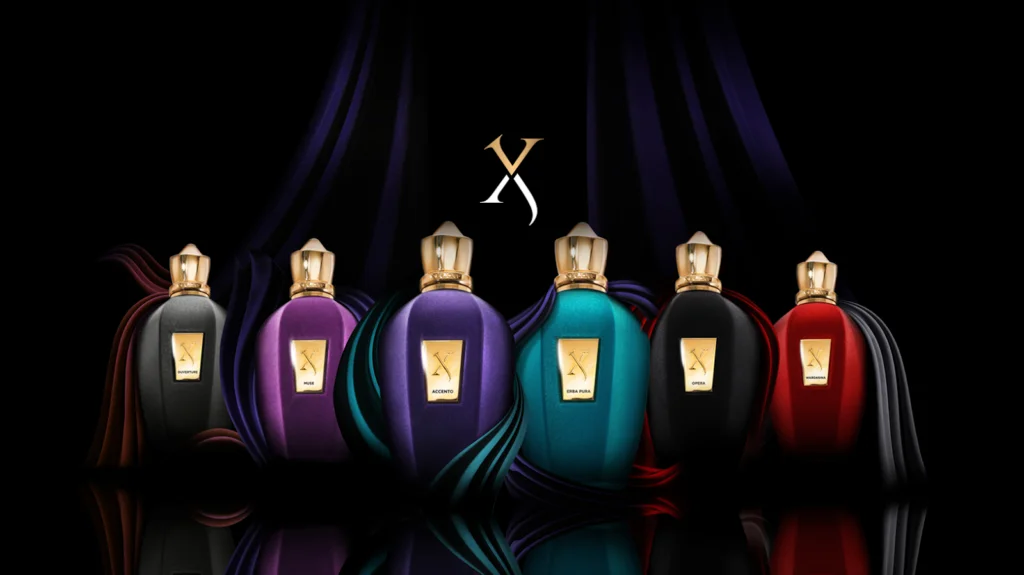
Fragrance weaves itself throughout our daily lives, shaping moments and guiding emotions in subtle yet profound ways. More than just a finishing touch to your appearance, perfumes carry a silent language, evoking memories, changing moods, and leaving a lasting impression. For those who appreciate unique and defining scents, luxury perfumes can transform not just how you feel, but how those around you remember you.
Our sense of smell is intimately connected to our emotions, often bypassing conscious thought and stirring deep feelings or vivid recollections. Harnessing this connection, personal fragrance becomes a tool for well-being, self-expression, and even ritual. Understanding how to choose and use scent can elevate everyday routines into meaningful, memorable experiences.
The Science of Scent and Memory
The unique bond between scent and memory lies deep in the architecture of the brain. Unlike other senses, which first pass through the brain's processing centers, olfactory signals travel directly to the limbic system, the area responsible for emotion and memory. This is why a whiff of a familiar fragrance can immediately conjure the image of a loved one or transport you to an experience with remarkable clarity. Scientists refer to this phenomenon as the "Proust effect," named after writer Marcel Proust, who famously described how the smell of madeleines triggered an entire world of recollection.
Smells bypass the usual pathways and deliver direct signals to the amygdala and hippocampus. This closeness explains why scents are often catalysts for both comfort and nostalgia, or even discomfort, when associated with negative memories. Leveraging this connection by selecting and using fragrances consciously can ground you in the present moment or offer emotional uplift when you need it most.
Choosing a Personal Fragrance
Choosing a personal fragrance is a journey into self-discovery. The notes you gravitate towards act as a mirror, reflecting your personality, preferences, and even aspects of your mood. Begin by considering the scent families that appeal to you: Do you love the clean crispness of citrus, the romance of florals, the mystery of woody undertones, or the comfort of gourmand notes?
How to Discover Your Signature Scent
Identify Your Preferences: Think back to aromas in nature, food, or memories that consistently bring you joy or calm. Make a list of those key scents—lavender, sandalwood, bergamot, or vanilla, for instance.
Test and Wear: Try fragrances on your skin, not just on paper. Scent molecules interact with your body’s chemistry and reveal different nuances over time. Give each sample at least a few hours before making a decision.
Match Your Mood and Occasion: Daytime may call for light, energetic fragrances, while evening events offer opportunities for deeper, more sensual notes. Owning a small collection allows you to express various facets of your personality.
Your signature scent can become a potent part of your identity, gently shaping how you’re perceived and remembered by others.
Incorporating Fragrance into Daily Life
Scents don’t need to be reserved for special occasions. Infusing your day with mindful fragrance rituals can enhance your sense of well-being and create familiar comforts. Small actions can yield a powerful sensory impact:
Morning Ritual: An energizing citrus or herbal shower gel wakes up both body and mind, signaling the start of a new day.
Focused Workspace: Subtle lavender or rosemary room sprays encourage calm and clarity, making long work sessions more enjoyable.
Gentle Evenings: Light a vanilla or sandalwood candle as you unwind, helping your body transition into a state of relaxation.
Building a collection of favorite scents for different times of day or moods can transform even routine moments into comforting rituals, supporting both productivity and relaxation.
Fragrance and Emotional Well-being
Scientifically, certain fragrances are known to evoke specific psychological and physiological responses, which explains why aromatherapy has been used for centuries. Lavender, for example, is often used to reduce anxiety and promote sleep, while peppermint and eucalyptus can help focus and enhance mental clarity. Studies indicate that fragrances can be tools for self-care, helping reduce stress, improve sleep, and elevate overall mood.
Curate your own fragrance toolkit by exploring which scents help you relax, recharge, or even feel more confident ahead of important events. Being intentional about scent is a simple, effective way to influence your emotional landscape each day.
The Cultural Significance of Fragrance
Throughout the ages, fragrance has been deeply woven into personal and communal rituals. In Ancient Egypt, essential oils and perfumes were integral to both religious and social rituals; in the courts of Renaissance Europe, perfumes signified luxury, sophistication, and status. Today, the art of perfumery blends tradition with modern creativity, creating olfactory signatures that connect generations and bridge cultures. Many cultures still use scent as a tool for ceremonial purification, healing, or celebration, an enduring testament to its universal role in shaping experience and identity.
Final Thoughts
The art and science of fragrance hold the key to enriching both memory and mood. Whether you explore new scents to craft a unique identity or introduce fragrance rituals to enhance daily well-being, taking time to appreciate and select your perfumes mindfully can help you create a sensory legacy that lingers far beyond the moment.