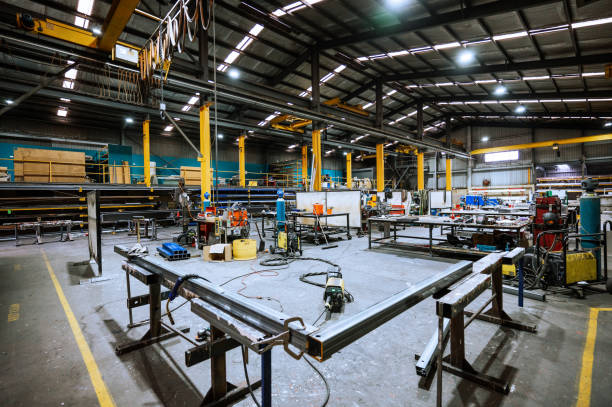
Steel fabrication is one of the most critical aspects of modern construction and manufacturing. From skyscrapers and bridges to machinery and household appliances, fabricated steel forms the backbone of countless industries. Yet, for those outside the field, the process can seem complex and intimidating. Understanding how steel fabrication works, the different grades of steel available, the costs involved, and the criteria for selecting the right fabricator can help project owners make informed decisions and ensure successful outcomes.
The Processes Behind Steel Fabrication
Steel fabrication involves transforming raw steel into usable structures or components through a series of specialized processes. The journey begins with cutting, where steel sheets, bars, or beams are shaped using tools such as saws, lasers, or plasma cutters. Once cut, the steel is bent or formed into the desired shape using press brakes or rolling machines. Welding is then employed to join pieces together, creating strong and durable connections. Additional processes such as machining, drilling, and finishing may follow, depending on the complexity of the project.
Each step requires precision and expertise. Fabricators must adhere to strict tolerances to ensure that the finished product meets engineering specifications. Advanced technologies, including computer-aided design (CAD) and computer numerical control (CNC) machines, have revolutionized fabrication, allowing for greater accuracy and efficiency.
Not all steel is created equal. Different grades of steel are designed for specific applications, and choosing the right grade is essential for performance and safety. Carbon steel, one of the most common types, is valued for its strength and affordability. Stainless steel, with its resistance to corrosion, is often used in environments exposed to moisture or chemicals. Alloy steels, which incorporate elements such as chromium, nickel, or vanadium, offer enhanced properties like toughness or heat resistance.
Structural steel grades are particularly important in construction, as they determine the load-bearing capacity of beams and columns. For example, ASTM A36 is widely used for general structural purposes, while higher-strength grades like ASTM A992 are preferred for large-scale projects. Selecting the appropriate grade requires careful consideration of the project’s requirements, environmental conditions, and budget.
The cost of steel fabrication varies widely depending on several factors. Material costs are a primary driver, influenced by global steel prices and the grade selected. Labor costs also play a significant role, as skilled fabricators are essential for ensuring quality. The complexity of the design, the amount of customization required, and the finishing processes all contribute to the final price.
Transportation and installation can add further expenses, particularly for large or heavy components. Project owners should also account for potential waste and the cost of compliance with safety and environmental regulations. While steel fabrication can be expensive, its durability and versatility often make it a cost-effective choice in the long run.
Selecting the right steel fabricator like Metro steel is as important as choosing the right materials. A reputable fabricator brings expertise, reliability, and quality assurance to the project. Licensing and certifications are key indicators of credibility, demonstrating that the fabricator adheres to industry standards and safety regulations. Experience in similar projects is another critical factor, as it ensures familiarity with the challenges and requirements involved.
Transparency in pricing and communication is essential. A trustworthy fabricator will provide detailed quotes, explain processes clearly, and keep clients informed throughout the project. Client protection measures, such as insurance coverage and warranties, further safeguard against risks. Reputation also matters—reviews, references, and past projects can reveal whether a fabricator consistently delivers on promises.
Steel fabrication is a complex but indispensable process that underpins modern infrastructure and manufacturing. By understanding the fabrication processes, the importance of steel grades, the factors influencing costs, and the criteria for choosing a reliable fabricator, project owners can make informed decisions that lead to successful outcomes. The right combination of materials, expertise, and accountability ensures that steel structures not only meet technical requirements but also stand the test of time. In a world built on steel, knowledge and careful selection are the foundations of strength and durability.
 Supriyo Khan
 Supriyo Khan
 Supriyo Khan
 Supriyo Khan

Want to add a comment?