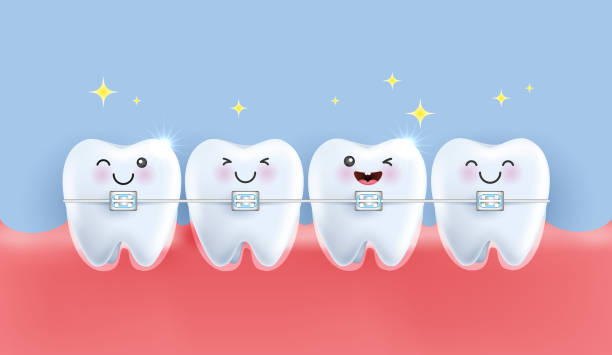
Orthodontics is more than just straightening teeth—it’s about crafting confident smiles while ensuring optimal oral health. As a modern orthodontist, staying ahead requires a blend of clinical expertise, patient communication, and the smart use of technology. Implementing best practices not only enhances patient satisfaction but also boosts the efficiency and reputation of your practice. Here are key strategies every orthodontist should consider.
Clear and compassionate communication is the cornerstone of successful orthodontic care. Patients may feel anxious about braces, aligners, or complex procedures. Take the time to explain each step, set realistic expectations, and answer questions thoroughly. Visual aids, models, and before-and-after photos can help patients understand the treatment journey. Engaging with patients in a friendly yet professional manner helps build trust, encourages adherence to treatment plans, and ultimately improves outcomes.
The world of orthodontics has been revolutionized by digital tools. Investing in modern orthodontic software can streamline your workflow, from patient records and treatment planning to scheduling and progress tracking. These systems help you monitor patient progress more effectively, reduce errors, and save time for both your team and your patients. Additionally, digital impressions, 3D imaging, and CAD/CAM technology allow for more precise treatment planning and faster delivery of appliances like aligners and retainers.
Every patient is unique, and a personalized treatment plan is essential. Use diagnostic tools such as 3D scans, panoramic X-rays, and cephalometric analysis to assess each patient’s needs accurately. Identify potential challenges early to avoid complications and ensure the best functional and aesthetic outcomes. Involving patients in the planning process by showing them projected results fosters engagement and trust.
Orthodontic treatment can sometimes cause discomfort, especially with adjustments or new appliances. Minimizing pain and anxiety is crucial for a positive experience. Consider gentle techniques during adjustments, recommend effective pain management strategies, and provide thorough instructions for care at home. Offering small touches like cushions, entertainment options, or flexible appointment times can make a big difference in how patients perceive your practice.
Regular follow-up appointments are key to successful treatment. Use reminders, automated scheduling, and patient portals to ensure adherence to treatment timelines. Encourage patients to report any issues promptly, whether it’s discomfort, broken appliances, or oral hygiene concerns. Timely intervention prevents complications and ensures treatments stay on track.
Good oral hygiene is essential during orthodontic treatment to prevent cavities, gum disease, and staining. Educate patients on proper brushing and flossing techniques, especially around brackets and wires. Recommend orthodontic-friendly products such as interdental brushes or water flossers. By helping patients maintain excellent oral hygiene, you not only protect their health but also showcase your commitment to comprehensive care.
A welcoming, organized, and friendly practice encourages repeat visits and referrals. Train your team to provide consistent, professional, and patient-centered service. Efficient appointment management, clean facilities, and a cheerful atmosphere contribute to overall patient satisfaction. Patients who feel comfortable are more likely to follow treatment plans diligently and recommend your practice to others.
Orthodontics is an ever-evolving field. Attend workshops, webinars, and conferences to stay updated on new techniques, materials, and treatment philosophies. Networking with peers and engaging in professional communities helps you adopt innovative practices and continually improve the care you provide.
By focusing on patient communication, embracing technology like orthodontic software, personalizing treatment plans, and maintaining a welcoming environment, orthodontists can create a practice that consistently delivers excellent results. These best practices not only help patients achieve smiles that shine but also ensure long-term professional success.
 Supriyo Khan
 Supriyo Khan
 Supriyo Khan
 Supriyo Khan

Want to add a comment?