The Allure of Desert Waters
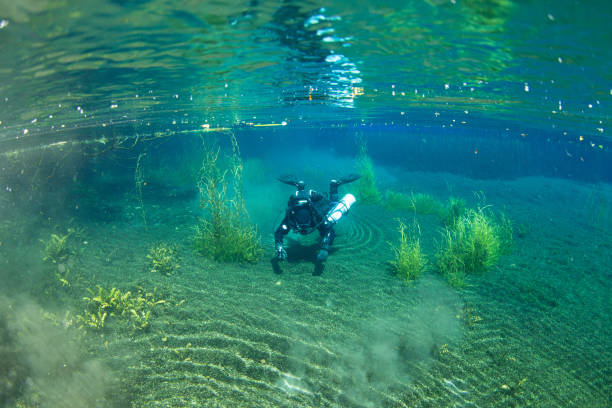
Red rock walls rise like molten fortresses, their edges dissolving into glassy water hidden in the folds of the desert. The silence above the surface is absolute, but beneath it, the world hums with movement. The collision of arid expanse and crystalline reservoirs is magnetic. These lakes are no tropical cliché. They deliver visibility that rivals alpine glacial waters and a calm that strips diving down to its purest form. Seasoned divers come for that clarity and stay for the unshakable quiet.
Below the glinting surface lie striated cliffs that plunge deep, their layers telling a story of ancient shorelines and vanished rivers. Ledges appear like balconies for fish, and overhangs hide colonies of invertebrates. Seasonal fluctuations shift the playground. Summer’s warmth pulls levels low, revealing sculpted rock shelves. Winter’s rise extends sheer drops into shadow. Visibility can hit thirty feet or more in prime months, dipping only when wind stirs silt from the bottom.
This is not the biological desert you might expect. Smallmouth bass cruise the ledges. Dragonfly larvae stake out territory in submerged branches. Leopard frogs make surprise cameos near shore. Treat all with clinical restraint — no feeding, no touching, no rearranging their terrain. In these enclosed ecosystems, interference travels farther than you think.
Late spring and early fall are the sweet spots. The water holds warmth without choking clarity, and the skies still behave. You’ll want to secure the right access permits, nothing more than a quick formality for those who plan ahead. Hit the site early in the morning to dodge wind chop and the mid-day crowd. Silence at dawn carries into the dive.
Freshwater buoyancy calls for tailored fin selection and masks that cut glare. This is a wetsuit-friendly scene, with five-millimeter thickness enough to hold off the chill. Sunlight here is merciless. Surface intervals demand reef-safe sunscreen and broad-brim hats unless you enjoy the sensation of cooking. Hydration is an operational necessity. Pack a bladder or keep water canisters stashed within reach. Dehydration creeps fast under this sky.
Leave no trace is not a slogan here. It’s a survival code for these habitats. Lock down every loose strap so nothing snags or breaks off into the lake. Do not smuggle alien species in via damp gear. Wash and dry everything between dives. If you can, sign up for local lake clean-ups or lend your eyes to citizen science projects tracking water quality.
For more details on booking and professional guidance, explore scuba diving St George Utah. Talk to divers who’ve logged hundreds of hours here. They’ll tell you exactly how the light shifts across the walls at different hours, or which coves conceal the best overhangs. Their accounts are sharp, practical, and rooted in experience, not tourist gloss.
Once dry, stretch your legs through winding slot canyons that cut the horizon into jagged ribbons. End the day under skies that explode with stars, where the same stillness waits above as you found below. The desert is nothing if not multidisciplinary. Pair water with stone and space until the boundaries blur.
If the thrill of rare waters speaks to you, plot your dive now. Assemble your kit, refine the entry plan, commit to leaving the site cleaner than you found it. Then step off the edge into a realm few expect to find in the desert, where each descent writes a new chapter against a backdrop carved in red rock and reflected in blue.
 Supriyo Khan
 Supriyo Khan
 Supriyo Khan
 Supriyo Khan

Want to add a comment?