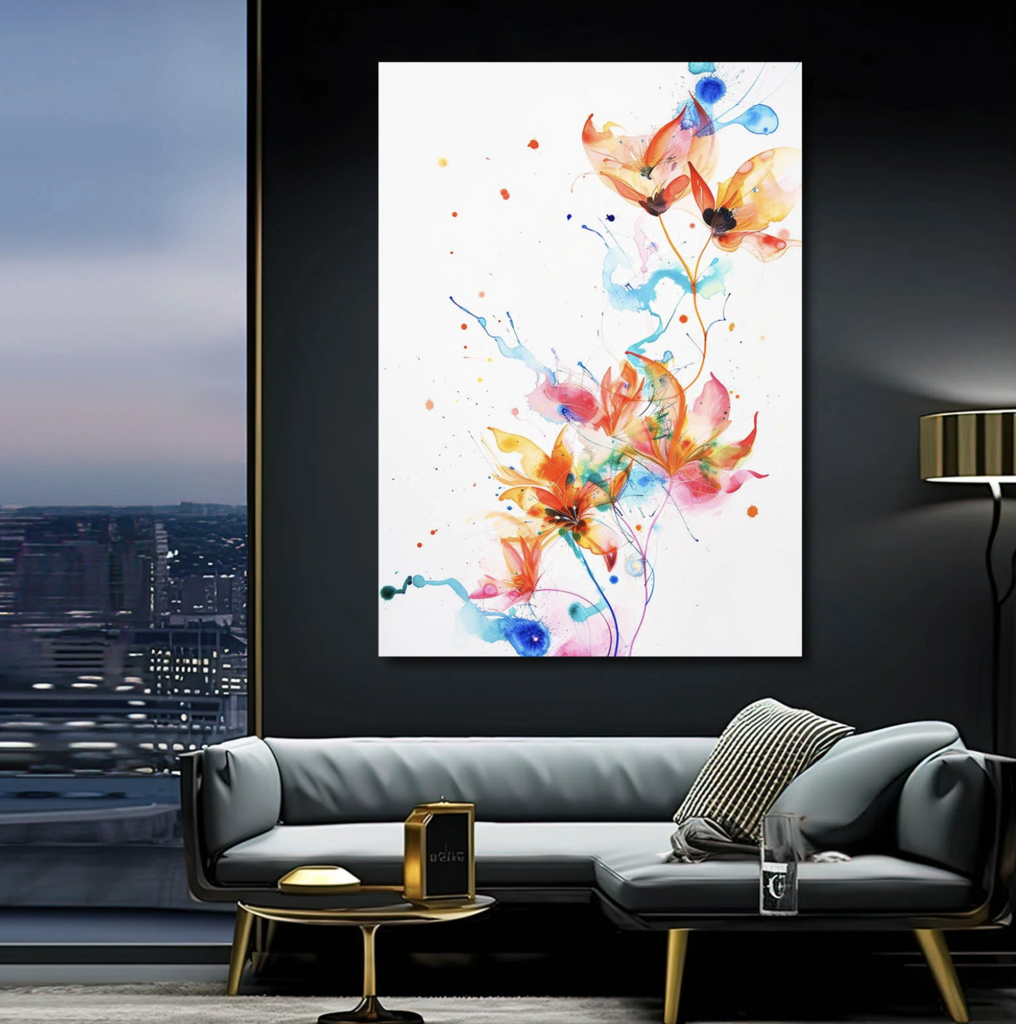
Choosing between minimalist artwork and bold artwork is one of the most common—and most important—decisions in interior design. Art has the power to define mood, guide the eye, and shape how a room is experienced. While minimalist art offers calm and restraint, bold art brings energy and expression. Neither approach is better than the other; the right choice depends on your space, lifestyle, and personal taste. This guide will help you understand the strengths of each style so you can confidently decide which one truly fits your home. For carefully curated pieces that suit both aesthetics, Musa Art Gallery™ — Curated Wall Art is a trusted destination.
Minimalist artwork is rooted in simplicity. It typically features clean lines, limited color palettes, negative space, and understated compositions. Rather than demanding attention, minimalist art invites quiet observation. Its power lies in subtlety—small details, balanced proportions, and a sense of visual breathing room. This style is often associated with modern, Scandinavian, and Japanese-inspired interiors, where less truly feels like more.
Minimalist art doesn’t try to dominate a space. Instead, it enhances architectural features, natural light, and material textures already present in the room. It creates a sense of order and calm, making it especially appealing for people who value clarity and serenity in their environment.
Bold artwork is expressive, dynamic, and designed to be noticed. It often uses strong colors, high contrast, dramatic compositions, or emotionally charged themes. Bold art creates instant focal points and injects personality into a room. It can energize neutral spaces, break monotony, and make a strong design statement.
This style works well in contemporary, eclectic, industrial, or creative interiors. Bold art often reflects confidence and individuality, making it ideal for homeowners who want their space to feel distinctive and expressive rather than restrained.
Minimalist art is particularly effective in rooms where calm and balance are priorities. Bedrooms, offices, and living spaces designed for relaxation benefit from its understated presence. Because minimalist art doesn’t overwhelm the senses, it allows other elements—like textures, materials, and natural light—to shine.
In smaller rooms, minimalist artwork can also make a space feel larger and more open. The use of negative space and neutral tones prevents visual clutter, helping the room feel airy and intentional. Minimalist art is also highly adaptable; it pairs effortlessly with changing furniture styles and color schemes over time.
Bold artwork thrives in spaces that need energy or a clear focal point. Large living rooms, dining areas, and entryways are ideal settings for statement pieces. A bold artwork can anchor furniture, guide the layout of a room, and immediately communicate personality.
In neutral interiors, bold art acts as a visual spark, preventing the space from feeling flat or overly safe. In more colorful homes, it can reinforce an expressive design language. Bold art often becomes a conversation piece, making it perfect for social spaces where interaction and creativity are encouraged.
Room size plays a crucial role in deciding between minimalist and bold artwork. In small or narrow spaces, bold art can feel overwhelming if not carefully scaled, while minimalist art tends to integrate more smoothly. In large rooms with expansive walls, minimalist art may feel too subtle unless oversized or thoughtfully placed. Bold art, on the other hand, can fill space confidently and prevent walls from feeling empty.
Open-plan layouts often benefit from bold artwork that defines zones and creates visual anchors. More intimate rooms usually respond better to minimalist pieces that support a sense of calm and cohesion.
Color is a major differentiator between minimalist and bold art. Minimalist pieces often rely on neutral tones—white, beige, gray, black, or soft earth colors—which blend easily with most interiors. These colors promote tranquility and timelessness.
Bold art embraces vibrant hues and contrast. Reds, blues, yellows, and deep blacks can dramatically alter the mood of a room. If your décor already includes strong colors or patterns, minimalist art may provide balance. If your space is mostly neutral, bold art can serve as the primary source of color and energy.
Your lifestyle should influence your choice just as much as your décor. If you live a busy, high-energy life, minimalist art can offer visual rest and mental clarity. If you’re creative, expressive, or enjoy stimulating environments, bold art may feel more aligned with who you are.
Think about how you want to feel at home. Calm, focused, and grounded? Minimalist art supports that. Inspired, energized, and expressive? Bold art may be the better fit. Your home should support your emotional needs, not just aesthetic preferences.
You don’t have to choose one style exclusively. Many well-designed homes successfully mix minimalist and bold artwork across different rooms. A bold statement piece in the living room can coexist with minimalist art in the bedroom or office. The key is consistency in framing, scale, or color accents so the home still feels cohesive.
Minimalist art can also act as a visual pause between bold elements, preventing the space from feeling overwhelming. This balanced approach allows you to enjoy the best of both worlds.
Minimalist wall art has become increasingly popular because of its adaptability. It works across a wide range of interior styles and evolves easily with changing décor. Clean compositions and neutral palettes allow minimalist art to remain relevant for years, making it a safe yet sophisticated choice for long-term interiors. If you’re drawn to simplicity and timeless design, explore this curated selection of minimalist wall art.
When choosing between minimalist and bold artwork, consider how long you want to live with the piece. Minimalist art tends to age gracefully, while bold art makes a stronger immediate impression but may feel intense over time if tastes change. That doesn’t mean bold art is a risk—only that it should be chosen with genuine emotional connection rather than impulse.
Confidence comes from intention. When you understand why you’re choosing a particular style, your space will feel more authentic and cohesive.
Minimalist artwork and bold artwork serve different purposes, and both can be powerful when used thoughtfully. Minimalist art brings calm, balance, and timeless elegance. Bold art delivers energy, personality, and visual drama. The right choice depends on your space, your lifestyle, and how you want to feel in your home every day.
By considering room size, color palette, emotional impact, and long-term adaptability, you can choose art that truly fits your space.
 Supriyo Khan
 Supriyo Khan
 Supriyo Khan
 Supriyo Khan

Want to add a comment?