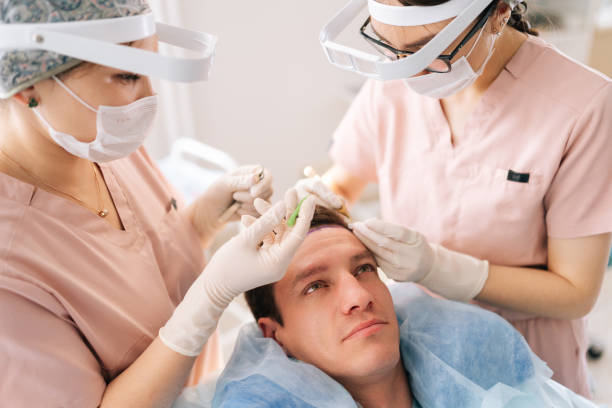
Medical and prescription treatments can help boost hair growth. Minoxidil is a popular choice, as it works directly on the scalp to wake up hair follicles.
I use minoxidil as a scalp treatment to help stimulate hair follicles. This topical solution helps support hair restoration by promoting thicker and fuller growth. I apply it directly to my scalp, usually twice each day.
Studies show that about 40 percent of men see new hair growth after three months of regular use. Women can also use minoxidil in lower strengths for thinning or patchy spots.
I notice fewer hairs on my pillow and less breakage since starting this product. Minoxidil is one of the For those looking for an alternative topical solution, dutasteride topical has shown promise in supporting hair regrowth and can be used under the guidance of a healthcare professional.
Newer foam versions feel light and absorb quickly, making them easy to add to daily routines.
Daily use of topical minoxidil may increase visible results within four months, according to clinical studies from the American Academy of Dermatology (AAD).
After trying topical scalp treatments like minoxidil, I sometimes look into oral medications for hair loss. Finasteride is a prescription pill that helps prevent hair thinning, especially in men.
This medicine works by lowering levels of DHT, a hormone that can shrink hair follicles and cause hair loss. Many doctors recommend finasteride for male pattern baldness. In clinical studies, about 83% of men who used finasteride daily saw hair restoration or stopped shedding within two years.
Some people may notice mild side effects like lower libido or mood changes. It is important to talk to a healthcare provider before starting finasteride or any new hair care products.
Platelet-Rich Plasma (PRP) therapy uses my own blood to support hair restoration. A doctor takes a small amount of blood and spins it in a machine to separate the platelets. These platelets are rich in growth factors that help follicle stimulation and scalp health.
The doctor then injects this plasma into areas where hair is thinning.
I have seen studies show that PRP can increase hair growth within three to six months for many people. The process feels quick, usually taking less than an hour per visit, with little downtime after each session.
Some clinics suggest repeated treatments for best results in hair loss prevention and care. Next, I want to explore natural options like scalp massages and nourishing masks for even more support.
Natural and at-home treatments can be a great way to help your hair grow. I enjoy simple things like scalp massages and using oils.
Scalp massages help enhance blood circulation to hair follicles. I like to take a few minutes each day for this simple practice. Rubbing my scalp stimulates the skin and brings more oxygen to the roots of my hair.
This increased blood flow can encourage healthier growth.
Using just my fingertips, I apply gentle pressure and make small circles on my scalp. The soothing action feels relaxing too. Consistently massaging helps me feel good while supporting overall scalp health as well.
It's an easy way to promote hair restoration at home without elaborate products or treatments.
Essential oils can boost hair growth. I often use rosemary and peppermint oil for this purpose. Rosemary oil helps improve blood circulation to the scalp. This increased flow brings more nutrients and oxygen to the hair follicles.
Peppermint oil creates a cool, tingly feeling on the skin. It feels refreshing and can help stimulate hair growth as well. Both oils are easy to use in my routines. I mix them with carrier oils like coconut or olive oil before applying them to my scalp.
These natural ingredients nourish the scalp effectively and support hair health. Furthermore, advanced therapies offer even more options for promoting hair regrowth.
Coconut oil and castor oil are excellent for nourishing the scalp. Coconut oil helps moisturize and provides nutrients to hair follicles. It can reduce dandruff and promote a healthy scalp environment.
Castor oil also plays a significant role in hair health. It has fatty acids that strengthen hair strands. Mixing these oils together creates a powerful mask I love to use regularly.
Apply it directly onto the scalp, massage gently, and leave it on for at least 30 minutes before washing it out. This simple DIY treatment supports follicle stimulation and enhances scalp health.
Next, I will explore advanced therapies that may assist with hair growth.
Advanced therapies can help boost your hair growth in new ways. I find options like laser treatments and special supplements effective for supporting healthy hair. If you're curious about these methods, keep reading to learn more!
Low-Level Laser Therapy (LLLT) assists with hair regrowth. It utilizes low-level lasers to stimulate hair follicles. I see this method gaining popularity for treating hair loss.
The light from the laser enhances blood flow to the scalp. This increased circulation nourishes the follicles and promotes growth. Many people find it painless and easy to use at home or in a clinic setting.
It’s an effective option for improving scalp health and preventing further thinning of hair.
The betacap scalp application has been shown to improve hair density and support overall scalp health.
Biotin helps my hair stay strong. It is a B-vitamin that plays a big role in hair growth. I take it daily to support healthy hair and scalp. Research shows that biotin can improve the thickness of hair strands.
Peptides are also great for my hair health. These tiny proteins help stimulate growth and repair damaged follicles. They work well with other ingredients in nutritional supplements too.
Using both biotin and peptides gives me more confidence about my hair care routine.
Before starting any scalp treatment, I recommend talking to a doctor. They can help find out what is causing hair loss. And patience and consistency are key for seeing results.
Interested in learning more? Keep reading!
I see the importance of talking to a professional about hair loss. A doctor can help find out why it happens. They will ask questions and may do tests. This way, I understand what is causing the issue. Good scalp treatments may help a lot. In this blog, you will find simple and effective ways to care for your scalp.
Getting the right advice makes a difference. Some problems may need special treatments or medications like Minoxidil or Finasteride to support hair growth. Hair care products or nutritional supplements might also help with scalp health and prevent further loss.
Finding the root cause is very important for effective treatment options.
Results take time. I use scalp treatments regularly for the best effects. Consistency is key in hair growth journeys. I apply medicated solutions like Minoxidil and take oral medication like Finasteride as directed.
Patience helps me stay motivated. Hair growth is a slow process, so I track my progress carefully. Visible changes may take several months, but staying focused is important. With each treatment session or application of essential oils, I'm one step closer to healthier hair and scalp health.
Scalp treatments can make a big difference for hair growth. I found that both medical options and natural methods work well. Consistency is key, so I stick to my routine. Talking to a professional helped me understand what my scalp needs.
With patience, I see improvements every day.
 Supriyo Khan
 Supriyo Khan
 Supriyo Khan
 Supriyo Khan
Want to add a comment?