Key Takeaways
Integrated Pest Management (IPM) focuses on preventing, monitoring, and controlling pests with minimal environmental impact.
Ongoing sanitation and property maintenance are foundational for pest prevention in homes and businesses.
Natural repellents and physical barriers offer effective alternatives to chemical treatments.
Professional services may be necessary for severe pest issues, ensuring thorough and lasting solutions.
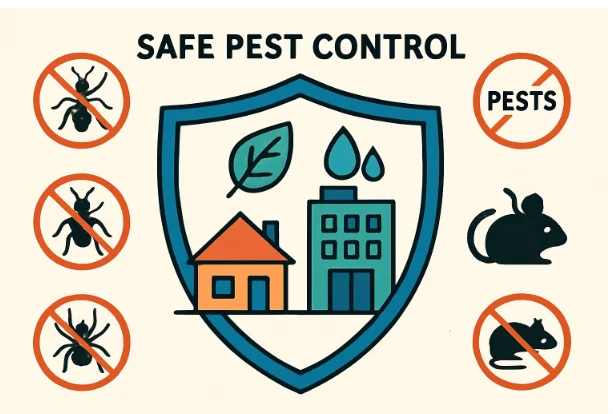
Maintaining a pest-free environment is essential for the health, safety, and comfort of both residential and commercial spaces. Pests can threaten structural integrity, contaminate food, and pose various health risks when left unchecked. Fortunately, there is a range of safe pest control strategies to protect your property and its occupants. Whether you’re managing your home or business, choosing the right pest management approach is vital. For professional help in the region, trust the Sudbury exterminator for safe and effective pest control solutions to address urgent pest concerns.
Implementing responsible pest management not only safeguards your space but also ensures the well-being of people and pets. By using preventive measures, non-chemical solutions, and seeking expert guidance when necessary, you can achieve long-term pest control without harming the environment or compromising your health.
Integrated Pest Management (IPM) is the cornerstone of responsible pest control. Unlike methods that rely solely on chemical pesticides, IPM delivers a comprehensive, long-term approach to managing pests. It involves a careful blend of prevention, monitoring, and targeted control techniques designed to minimize risks to people, pets, and the planet. The philosophy behind IPM is to discourage pest invasions through education and environmental awareness, resorting to chemical treatments only when necessary.
Inspection and Monitoring: Regularly assess for signs of pests or environmental vulnerabilities.
Preventative Actions: Remove attractants, seal entry points, and maintain a tidy and dry environment.
Least-Toxic Solutions: Prioritize non-chemical treatments and use pesticides as a last measure.
By adopting IPM, you not only resolve the immediate pest problem but also develop a robust defense against future outbreaks.
Routine cleaning and upkeep are your frontline defenses against pest infestations. Pests like ants, cockroaches, and rodents are drawn to easily accessible food, water, and shelter. Eliminating these attractants starts with basic sanitation:
Promptly clean up spills and crumbs from floors and counters.
Store food in airtight containers to block access for pests.
Take out the trash regularly and use sealed bins to deter scavenging animals.
Keep storage areas decluttered to minimize hiding places.
Leaks and excess moisture are also significant draws for pests. Regularly inspect plumbing, fix leaks, and ensure proper ventilation in basements and attics as part of routine maintenance. This dual focus on cleanliness and repairs forms a nearly impenetrable barrier to most invaders.
Natural pest repellents are an excellent alternative to chemical pesticides, reducing exposure to potentially harmful substances. For example, bars of soap placed in gardens are known to deter aphids and slugs because of their scent and the residue they create. Essential oils, such as peppermint, eucalyptus, and cedar oil, not only smell pleasant but can also repel pests like spiders, ants, and mosquitoes when properly diluted and sprayed around entry points.
Other organic measures—such as diatomaceous earth, a naturally occurring powder—can target crawling insects without harming people, pets, or beneficial insects. Used correctly, natural repellents contribute to a healthy indoor and outdoor ecosystem while maintaining a pest-free environment.
Physical barriers are a proven, chemical-free method for keeping pests out. Inspect your property regularly for cracks, holes, or gaps near doors, windows, foundations, and utility lines—small openings are common entry points for insects and rodents. Seal any holes using materials like caulk, steel wool, or weatherstripping. Installing screens on vents and windows can further prevent pests from entering while maintaining ventilation.
For businesses and busy households, regular inspections are crucial. Proactive sealing and barrier maintenance can dramatically reduce the risk of infestations, protecting both structures and people year-round.
Some infestations are too large or complex to be handled with a DIY approach. Signs that it’s time to consult a licensed pest control professional include extensive visible pest populations, recurring infestations despite best efforts, or when dealing with potentially dangerous species, such as wasps or termites. Reputable providers can identify the root cause, utilize targeted (and often lower-risk) solutions, and provide ongoing guidance for future prevention. Most importantly, they adhere to safety protocols and environmental guidelines to protect your home, family, or business operations.
Adopting safe pest control methods is a practical and responsible choice for anyone who values the health, safety, and longevity of their property. By combining strategies such as Integrated Pest Management, daily sanitation, natural repellents, and sturdy physical barriers, you can confidently limit pests without compromising on safety or sustainability. For serious problems, consulting professional local experts ensures your environment remains protected now and into the future.
 Supriyo Khan
 Supriyo Khan
 Supriyo Khan
 Supriyo Khan

Want to add a comment?