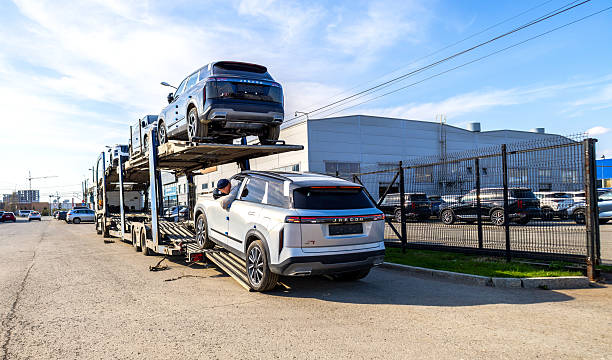
Transporting a vehicle for the first time can feel overwhelming. Whether you’re relocating across the country, sending a car to a family member, or moving your RV for seasonal adventures, understanding the process is key to avoiding stress and extra costs. Vehicle shipping can save you time, fuel, and wear and tear on your car. With proper preparation, your vehicle—whether a standard car or a large RV—can arrive safely at its destination.
Driving your vehicle yourself may seem simple, but shipping often proves more efficient and cost-effective. You save money on fuel, hotels, and meals, and reduce the mileage on your vehicle. For a quick overview of potential expenses, using car shipping estimate services can provide instant insight into car shipping prices and shipping costs, helping you plan your budget more accurately.
You should start by doing some serious digging into reputable auto transport companies. Don't just pick the first result! Make sure you check their reviews, confirm they have solid insurance coverage, and verify that they are properly registered. It's always a good idea to ask them about their overall auto transport experience—especially if they specialize in long-distance moves—to ensure they know the route you need.
When it comes to the actual transport, you have two main options. Open trailers are the standard choice; they're much more cost-effective but they mean your car is exposed to regular weather and road debris. Enclosed transport, on the other hand, gives your vehicle that high-level protection, which makes it absolutely ideal for luxury, antique, or any high-value cars. Knowing your vehicle type and your own personal requirements will help you choose wisely and avoid regrets later!
Remove personal belongings and document your car’s condition with photos. Check tire pressure, fluids, and battery. Ensure any accessories, such as racks, are secured or removed. Prepare a spare set of keys for the carrier.
Flexibility can significantly reduce costs. Offering a wider pickup window allows carriers to optimize logistics, often lowering prices. Confirm pickup and delivery expectations, and keep in mind that seasonality and geography can affect car shipping prices.
Upon delivery, inspect your vehicle thoroughly. Compare its condition to the Bill of Lading, noting any new damage or missing items. Promptly report any issues to begin the claims process if necessary.
Factors influencing shipping costs include distance, route, vehicle size, trailer type, and the season you book in. Using multiple quotes or online quote calculators can definitely help you compare different carrier options and find the most competitive rates out there. Just a friendly tip: sometimes the way you pay matters—methods like cash or a certified check upon delivery might even help reduce some of those annoying administrative fees.
Shipping an RV is a whole different ballgame compared to shipping a standard car, mostly due to its size and weight. For safe RV trailer shipping, you absolutely need specialized trailers and drivers who know what they're doing. Proper preparation on your end is key, and that includes securing all your interior items, double-checking tire pressure, making sure fuel levels are appropriate for transport, and taking off or securing any loose exterior accessories. Choosing a carrier with solid RV transport experience is the best way to guarantee a smooth, hassle-free process.
Secure all interior items.
Verify tire pressure and check for any leaks.
Ensure fuel levels are appropriate for transport.
Remove or secure exterior accessories.
Select a company experienced in large vehicle transport. Ask about equipment, insurance, and transit timelines. Use services like RV trailer shipping for a safer, more reliable experience.
Obtain multiple quotes to compare the carriers and ensure competitive pricing. Questions to ask include:
How is the driver vetted?
What are pickup and delivery windows?
What is the cancellation policy?
Is insurance coverage included?
Flexible scheduling, early planning, and clear communication with carriers can lead to significant savings.
Plan ahead and allow flexibility with pickup and delivery dates.
Document your vehicle’s condition thoroughly.
Remove personal belongings to avoid additional fees.
Use online tools to compare the carriers and get the best rates.
Choose open or enclosed transport based on your budget and vehicle type.
Vehicle transport can seem daunting, but understanding the Car Shipping Process and RV Shipping Process, researching carriers, and preparing your vehicle properly make it manageable. Using resources like car shipping estimate services and RV trailer shipping helps first-time shippers make informed decisions and save money. Proper planning ensures a safe, stress-free journey for your vehicle, whether it’s a car or an RV.
 Supriyo Khan
 Supriyo Khan
 Supriyo Khan
 Supriyo Khan

Want to add a comment?