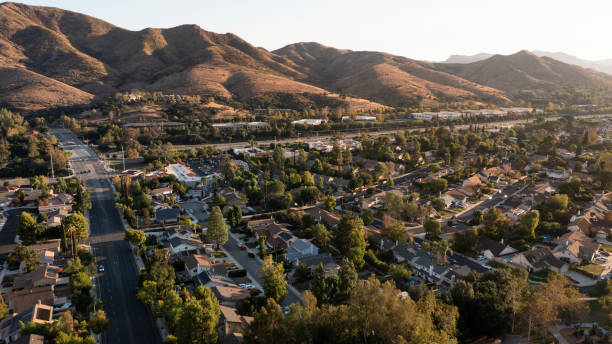
Agoura Hills sits right at the edge of natural beauty—rolling hills, oak-covered trails, and neighborhoods that brush up against canyon landscapes. Along with that charm comes a mix of risks: wildfire seasons that blow through the canyons, older homes with aging electrical systems, and gas-powered appliances that keep households warm during cooler nights.
Smoke and carbon monoxide detectors don’t get much attention, yet these compact devices quietly stand guard around the clock. When they’re installed and maintained correctly, they provide early warning in emergencies when seconds matter. For Agoura Hills families, this protection is especially important because of the region’s wildfire history and reliance on gas heating.
Understanding how these devices work and why a trained electrician Agoura Hills homeowners trust should install them helps keep your home prepared for the unexpected.
A fire spreads far more quickly than most people realize. In the early moments, smoke moves silently, filling rooms and hallways long before flames are visible. A working smoke detector alerts you before that invisible layer becomes dangerous.
Carbon monoxide is an entirely different threat. It’s a gas you can’t see or smell, often produced by malfunctioning heaters, fireplaces, or fuel-burning appliances. In enclosed spaces, even a minor leak can overwhelm the body without warning. A CO detector is the only reliable way to spot a problem before symptoms appear.
Agoura Hills has many homes with attached garages, gas furnaces, and fireplaces—all potential sources of CO. That makes detectors more than a precaution; they’re essential.
California outlines clear rules for smoke and carbon monoxide detectors in residential properties. The standards apply to single-family homes, condos, townhomes, and rentals.
Smoke detectors must be installed inside each bedroom, outside every sleeping area, and on every level of the home.
Carbon monoxide detectors must be placed outside sleeping areas in any home with a gas-fueled appliance, fireplace, heater, or attached garage.
In newer construction or during major remodels, the detectors must be hardwired with battery backup.
The devices must be approved by the State Fire Marshal.
While Agoura Hills doesn’t add many city-specific rules beyond state law, inspectors strictly enforce these requirements during remodels, property sales, and rental turnover.
Placement matters. A detector installed in the wrong spot can delay its response or cause false alarms. Some of the most common issues people encounter include:
Mounting smoke detectors too close to air vents or ceiling fans, causing airflow to disrupt detection.
Installing CO detectors near windows, where breezes can dilute gas readings.
Using only battery-powered units in homes that require hardwired systems.
Placing alarms in corners or “dead air” pockets where smoke won’t reach quickly.
Failing to interconnect detectors so all alarms sound at once.
Each mistake reduces the device’s ability to provide early warning. A professional electrician evaluates airflow, ceiling height, and room layout so detectors work exactly as intended.
Smoke and CO detectors may look simple, but modern systems often require more than just hanging a device on a wall. Hardwired installation involves access to electrical circuits, running cabling through walls or attics, and ensuring the detectors communicate with each other.
A qualified electrician Agoura Hills residents rely on ensures the following:
Correct placement based on your home’s layout and local fire risk
Safe hardwiring into your electrical system
Proper interconnection so that if one alarm activates, all sound simultaneously
Battery backup integration for outages
Thorough testing of each device before completion
This isn’t only about passing inspections, it’s about having a system that works at 3 a.m. when your home is filled with smoke or CO.
The area has a mix of older ranch-style houses, newer hillside builds, and suburban neighborhoods tucked close to open space. Each comes with its own needs.
Homes near canyons and vegetation are at higher wildfire risk, making smoke detector reliability even more important.
Properties with wood-burning fireplaces require consistent CO monitoring due to incomplete combustion during colder months.
Some older homes have outdated wiring that may need upgrades before hardwired detectors can be added.
An experienced electrician can assess these factors and design a system suited to your home’s unique layout and age.
For rental properties, detector rules come with added responsibilities. Landlords must ensure every detector is installed correctly, tested before new tenants move in, and kept in working order. Missing or non-functional alarms may lead to fines or liability if an incident occurs.
A professional installation helps avoid these issues and keeps rental units compliant with state and county requirements.
Once installed, detectors aren’t entirely hands-off. A little routine attention keeps them reliable:
Test each alarm monthly using the test button.
Change batteries twice a year unless you have sealed, long-life units.
Replace smoke detectors every 10 years and CO detectors every 5–7 years.
Gently clean the units to remove dust that can interfere with sensors.
If you’re unsure how old your detectors are or whether they’re still functioning properly, a quick inspection from a professional provides clarity.
Smoke and carbon monoxide detectors are the quiet guardians of your home always on, always alert, and unnoticed until the moment you need them most. For Agoura Hills homeowners, installing them correctly is a vital part of protecting your family from fire and invisible gas hazards.
Because these systems only work when placed and wired correctly, partnering with a licensed electrician Agoura Hills residents trust ensures every device is positioned, connected, and tested with care. When danger strikes, the right setup gives you time to act and sometimes that’s the difference that matters most.
 Supriyo Khan
 Supriyo Khan
 Supriyo Khan
 Supriyo Khan

Want to add a comment?