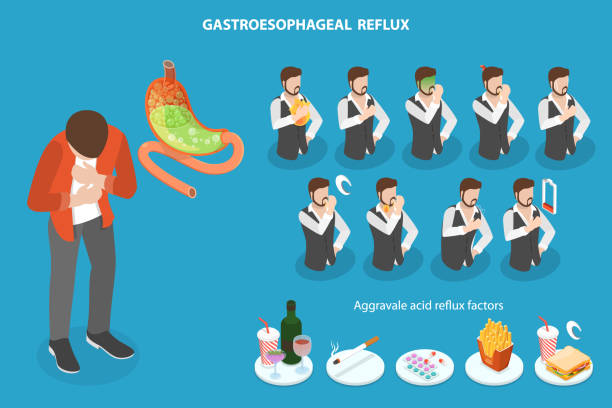
Acid reflux affects millions of Americans, causing a burning sensation in the chest, regurgitation of stomach contents, and chronic discomfort that can significantly impact quality of life. While over-the-counter medications offer temporary relief, many sufferers are turning to dietary interventions as a more sustainable approach to managing their symptoms. The dropping acid diet—a structured eating plan designed to minimize foods that trigger acid production—has gained considerable attention in recent years. Combined with mindful eating practices, this approach offers a comprehensive strategy for reducing reflux episodes and improving digestive health.
The dropping acid diet operates on a straightforward principle: by reducing dietary acid intake and avoiding foods that relax the lower esophageal sphincter, sufferers can significantly decrease the frequency and severity of reflux episodes. This approach differs from simply avoiding "trigger foods" by focusing on the actual pH levels of what we consume.
Research published in medical journals has demonstrated that dietary modifications can be as effective as medication for many acid reflux patients. The diet's effectiveness stems from its ability to reduce pepsin activation—the enzyme responsible for much of the tissue damage associated with reflux—while simultaneously decreasing overall stomach acid production.
Key advantages of adopting a low-acid eating pattern include:
Decreased frequency of reflux episodes through reduced acid exposure
Lower inflammation in the esophageal lining, allowing damaged tissue to heal
Improved sleep quality as nighttime reflux diminishes
Reduced dependence on proton pump inhibitors and other medications
Better overall digestive function and nutrient absorption
For those seeking expert guidance on implementing these dietary changes, physicians like Dr. Jamie Koufman have pioneered evidence-based protocols that help patients achieve lasting symptom relief through nutritional intervention.
Successfully managing acid reflux through diet requires understanding which foods support digestive health and which ones exacerbate symptoms. The distinction isn't always intuitive—some seemingly healthy foods can trigger reflux, while others provide unexpected relief.
Foods that typically support reflux management include:
Alkaline vegetables: Leafy greens, broccoli, cauliflower, and asparagus help neutralize stomach acid
Low-acid fruits: Bananas, melons, and pears offer nutrition without triggering symptoms
Lean proteins: Chicken breast, turkey, fish, and egg whites provide essential nutrients with minimal reflux risk
Whole grains: Oatmeal, brown rice, and whole wheat bread support digestive health
Healthy fats: Avocados and olive oil in moderation can be well-tolerated
Conversely, high-risk foods that commonly trigger reflux include citrus fruits, tomatoes and tomato-based products, chocolate, mint, onions, garlic, spicy dishes, fried foods, and high-fat dairy products. Beverages like coffee, alcohol, and carbonated drinks also frequently cause problems.
Practical strategies for meal planning include preparing larger batches of low-acid meals for the week ahead, keeping a food diary to identify personal triggers, eating smaller portions more frequently throughout the day, and staying well-hydrated with water between meals rather than during them.
While food selection matters enormously, how we eat can be equally important in managing reflux symptoms. Mindful eating—the practice of bringing full attention to the eating experience—has emerged as a valuable complementary approach to dietary modification.
This practice involves more than simply slowing down at meals. It encompasses awareness of hunger and satiety signals, attention to the sensory experience of eating, and recognition of emotional triggers that may lead to overeating or poor food choices.
For acid reflux sufferers, mindful eating offers several specific benefits. Eating slowly allows for better chewing, which initiates the digestive process more effectively and reduces the stomach's workload. Smaller bites and thorough chewing also mean less air swallowing, which can contribute to reflux. Additionally, paying attention to fullness cues prevents overeating, a common reflux trigger.
To incorporate mindful eating into daily life:
Create a calm eating environment: Turn off screens, sit at a table, and minimize distractions
Engage your senses: Notice the colors, aromas, textures, and flavors of your food
Chew thoroughly: Aim for 20-30 chews per bite to aid digestion
Pause between bites: Put down utensils and assess your hunger level
Stop at satisfaction: End meals when comfortably satisfied rather than uncomfortably full
For those seeking comprehensive guidance on implementing a low-acid diet, several authoritative resources provide detailed protocols and meal plans. The most influential work in this field offers not just dietary recommendations but also explains the underlying physiology of reflux and why certain foods cause problems.
These resources typically cover the relationship between pepsin and tissue damage, the importance of pH levels in food selection, strategies for the critical two-week induction phase, long-term maintenance approaches, and recipes specifically designed for reflux sufferers. The scientific backing provided in quality resources helps readers understand that dietary management isn't about restriction for its own sake, but about creating conditions that allow the esophagus to heal.
Beyond books, patients have found value in sharing their experiences. Personal accounts like Crissy's journey with GERD management illustrate how dietary changes translate into real-world symptom improvement. These narratives provide both practical tips and emotional support for those beginning their own reflux management journey.
A common misconception about acid reflux is that it's always caused by too much stomach acid. In reality, the relationship between acid levels and reflux is more nuanced. While excessive acid production certainly contributes to symptoms in many cases, some individuals actually suffer from insufficient stomach acid—a condition called hypochlorhydria.
Stomach acid serves essential functions beyond digestion. It activates digestive enzymes, facilitates nutrient absorption (particularly vitamin B12, iron, and calcium), acts as a barrier against harmful bacteria and pathogens, and signals the lower esophageal sphincter to close properly. When acid levels are too low, food sits in the stomach longer, increasing pressure that can force contents back into the esophagus.
This complexity underscores why a one-size-fits-all approach to reflux management often fails. Some patients benefit from reducing acid exposure through diet, while others may need to support healthy acid production while managing reflux through other means. Working with healthcare providers to understand your specific situation is crucial for developing an effective management strategy.
Managing acid reflux through dietary modification and mindful eating represents a shift from passive symptom suppression to active health management. While medications have their place, particularly during acute flare-ups, long-term reliance on acid-suppressing drugs can have unintended consequences, including nutrient deficiencies and increased infection risk.
The benefits of a dietary approach extend beyond symptom relief:
Reduced risk of complications like esophagitis, strictures, and Barrett's esophagus
Improved overall nutritional status through emphasis on whole foods
Better sleep quality and daytime energy levels
Decreased medication costs and side effects
Greater sense of control over your health outcomes
Starting a low-acid diet can feel overwhelming, but most people find that symptoms improve within days to weeks of making changes. The initial adjustment period requires attention and planning, but many discover that their food choices become intuitive over time. Keeping a detailed symptom and food diary during the first month helps identify personal triggers and track progress.
While dietary management offers significant benefits for many reflux sufferers, it's important to work with healthcare providers to develop a personalized plan. Some cases require medical intervention, and persistent symptoms should always be evaluated to rule out more serious conditions. However, for the majority of acid reflux patients, combining a thoughtfully designed low-acid diet with mindful eating practices provides a foundation for lasting symptom relief and improved quality of life.
 Supriyo Khan
 Supriyo Khan
 Supriyo Khan
 Supriyo Khan

Want to add a comment?