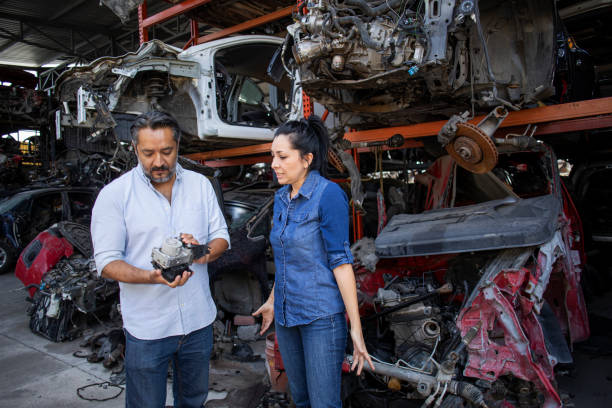
Purchasing car parts from a local wrecker can offer significant savings and help extend the vehicle's lifespan. Many people find this option practical, especially when seeking unique or discontinued components. However, making an informed decision requires careful consideration and deliberation. Before making a purchase, it helps to understand what to look for and how to ensure a positive experience. Read on to avoid any last-minute hassle.
One of the most crucial steps involves verifying that the component is compatible with the vehicle’s make, model, and year. Different editions of the exact vehicle may use slightly altered parts, so accuracy is crucial. A mismatch could lead to damage or poor performance. Comparing the identification number on the removed part with the required one is a great way to ensure a match. Bringing the original component or its number often improves the chances of finding the right fit.
The external look is usually indicative of the car part's history and compatibility. Check for any visible cracks, rust , or heavy wear. A corroded or broken connector indicates a deeper problem. It can also reflect how well the component was maintained before its removal. If possible, inquire whether that part was cleaned or tested after it was removed. Even minor blemishes can impact the operation of the part once it is installed.
Knowing a part's origin is an essential part of assessing its trustworthiness. Many wreckers keep a record of the vehicle's history, where you can find out about its mileage and accident history. Parts from cars that have less wear tend to last longer. Inquire about the background of the prior vehicle if available. Being aware of whether the car parts in Lower Hutt have been in a collision or have been submerged in water can influence a purchase decision.
A transparent and fair return policy provides buyers with peace of mind. Sometimes, even after careful checks, a part may not work as hoped. Reputable wreckers offer returns or exchanges within a reasonable timeframe, before finalizing a purchase, and request details about refunds or swaps. Having this information can make a difference if an issue arises after installation.
Some pre-owned components come with warranties against defects that are only valid for a set period of time. Well, even a short warranty adds value and shows that a wrecker has confidence in their inventory. Request a warranty copy and review its terms before agreeing to pay for the car. Knowing what is included helps manage expectations, so you are not surprised later on.
The relative costs of used parts vary substantially from one supplier to the next. Buyers who spend a bit of time researching average prices for a specific part know when to spot a good deal. If the price looks suspiciously low, then a little caution is a good thing, as quality is sometimes sacrificed for price, and this seems particularly true in some specialty events. Prioritizing cost savings while ensuring you get a working, quality part.
Most of the time, actual manufacturer parts perform better than the generic ones. While some wreckers specialize in original parts, others may have aftermarket alternatives. Look for any brand markings or serial numbers and compare them to the packaging to ensure they match official documentation. If authenticity matters to you, ask the seller and ensure you know before making a purchase.
If a query or an issue arises post-installation, after-sales support can make all the difference. Some even provide advice on fitting or diagnosis. Inquire if support is available and how to contact them if necessary. The help you can find can lead to a more seamless experience and a high level of satisfaction with the purchase.
In the event a dispute arises later, official paperwork will be helpful. Both buyers and sellers are protected by written contracts, such as guarantees, return forms, receipts, and part numbers. It's a good move to request documentation at the time of purchase. A more methodical approach to keeping each piece of documentation in order can help in the long run — particularly if vehicle ownership transfers hands.
Electrical components, such as sensors or control modules, also require more attention. Age or treating them incorrectly also means the endgame. Inquire whether the wrecker has already checked these items. Purchase critical electronic components without a warranty or test guarantee. This way, it is safe and secure with minimized risks.
There are many benefits to buying from local wreckers, but an informed purchaser makes the best decisions. High success stems from compatibility checks, condition inspections, and a thorough understanding of policies. Confidence in the process is built through reliable sellers, transparent documentation, and open communication. With this process, motorists will be able to source high-quality parts to ensure their vehicle lasts longer, and they will be able to sit back and relax after every purchase.
 Supriyo Khan
 Supriyo Khan
 Supriyo Khan
 Supriyo Khan

Want to add a comment?