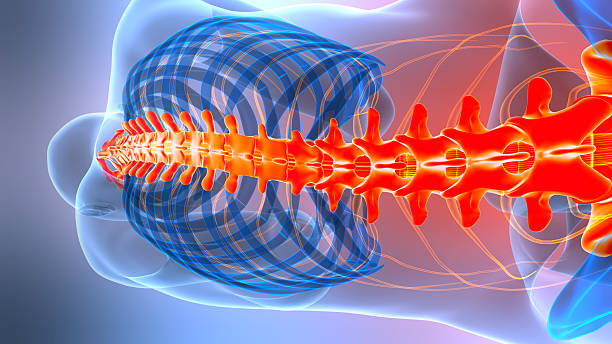
Thoracic spine surgery can sound intimidating to individuals facing spinal issues. Questions about safety, potential risks, and expected results often create anxiety. Understanding the procedure, its benefits, and possible complications can help patients make informed decisions about the health of their thoracic spine.
Though patients may need this surgery, typically, there are several concerns surrounding how safe the procedure is. Through this post, we will answer this common question: Is thoracic spine surgery dangerous? The goal is to acquaint readers with potential risks and what steps surgeons usually take to contain them.
The thoracic spine, extending between the base of the neck and the lower back, makes up a person’s middle-upper back. It provides flexibility to the upper section of the body and protects the spinal cord. Surgery in this region requires meticulousness and proficiency. Conditions such as herniated discs, spinal tumors, or deformities affecting this region usually make thoracic spine surgery necessary.
Surgeons may recommend thoracic spine surgery in certain cases. Surgery is often warranted for persistent pain, nerve compression, or structural abnormalities. In some instances, neurological function is in jeopardy from an injury or disease, necessitating surgery. The aim is to reduce pain and improve movement, allowing people to go back to their usual lives and function.
Many surgical options are available for the thoracic spine. Here are some standard procedures: discectomy, fusion, and decompression. Some methods focus on treating more localized problems, such as reducing the pressure on nerve roots, segmental stabilization of vertebrae, etc. This decision typically depends on the patient's condition, age, or overall health.
As with any large procedure, thoracic spine surgeries have inherent risks. Some complications include infection, bleeding, or reactions to anesthesia. There is also a risk of nerve injury, which could impact motor or sensory function. In rare cases, surgery can cause a leak of spinal fluid, or a blood clot may form during or after surgery.
Thoracic spine surgery is less risky today than it used to be, thanks to imaging and monitoring tools used by surgical teams before, during, and after surgery. Thorough preoperative assessments can help plan for potential complications before the operation. Each step of the procedure is planned to preserve susceptible nerves and blood vessels. High-quality care following the procedure ensures that patients can recover safely.
The duration of recovery depends on the type of procedure performed and the individual condition of the patient. Some patients may even be hospitalized for days to enable monitoring. Healing can be quicker with pain control and physical therapy, along with a gradual return to physical activity. With appropriate rehabilitation, most people slowly return to their pre-injury strength and range of motion.
The recovery depends on the patient's health, the underlying condition, and the type of surgery. Those with chronic conditions or low immune status may need extra time for recovery. Staying in touch with your doctor and closely following medical advice increases the chances of a smooth recovery and reduces the risk of possible complications.
Discussing concerns with your surgeon before the procedure is necessary, along with setting expectations. Questions about risks, benefits, and alternatives will help you understand the situation. Clearly outlining expectations regarding recovery after surgery and any lifestyle modifications helps establish realistic goals. It is also important that surgeons communicate clearly so that patients feel supported and prepared for every step.
People suffering from spinal pain or impairment can greatly benefit from thoracic spine surgery. However, no matter how experienced the surgeon is, there is always some risk associated with any procedure. Considering the advantages and potential downsides can help patients make sound decisions based on their medical condition and needs.
Thoracic spine surgery presents opportunities, albeit with some risks and challenges, for improved quality of life. By learning about the procedure, potential risks, and recovery process, individuals can approach surgery with greater confidence. Thoughtful preparation and open communication with healthcare professionals lead to better outcomes and offer peace of mind. Each patient’s experience is unique, but understanding what to expect in general can make the journey smoother and less stressful.
 Supriyo Khan
 Supriyo Khan
 Supriyo Khan
 Supriyo Khan

Want to add a comment?