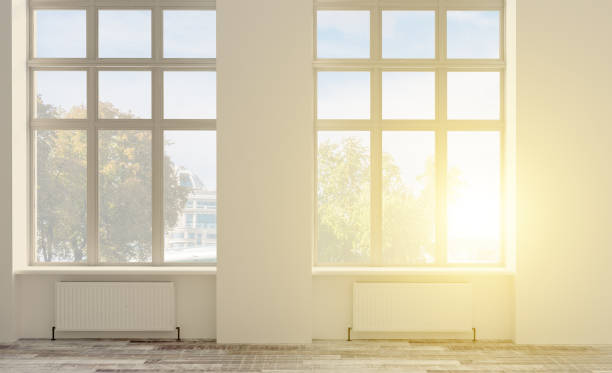
Natural light has a powerful influence on how a home feels, shares Spectrum Property Management experts. Bright rooms appear larger, more welcoming, and more comfortable throughout the day. Yet many homeowners hesitate to upgrade older windows out of concern that increased glass area or clearer panes may lead to heat loss, glare, or higher energy use. These concerns often stem from outdated window technology rather than modern performance standards.
Advancements in design and materials now allow homes to benefit from brighter interiors without compromising comfort or efficiency. Understanding how modern window solutions balance light and performance helps homeowners make confident decisions that enhance daily living while maintaining energy control.
This balance-driven approach is often emphasized by Speaks Custom Windows and Doors, where window upgrades are planned to improve interior quality without introducing new inefficiencies.
Natural light affects mood, productivity, and overall comfort. Rooms with ample daylight feel more open and reduce reliance on artificial lighting.
Beyond aesthetics, daylight supports healthier routines by aligning interior spaces with natural light cycles throughout the day.
Older windows often suffer from discoloration, heavy framing, or inefficient glazing that reduces light transmission.
Over time, these limitations darken interiors and create uneven lighting that cannot be fully corrected with interior design changes alone.
Not all glass transmits light equally. Older panes may block or diffuse light in ways that reduce clarity and brightness.
Modern glazing is designed to maximize visible light while controlling heat transfer, allowing rooms to feel brighter without overheating.
Many homeowners associate larger or clearer windows with energy loss. This assumption reflects older construction methods.
Modern Window Replacements use advanced glazing technologies that separate light transmission from thermal performance.
One of the biggest challenges with natural light is controlling heat. Sunlight brings warmth along with brightness.
Contemporary window designs regulate solar heat gain, allowing light to enter while minimizing unwanted temperature increases.
Windows that balance light and insulation help maintain stable indoor conditions.
Rooms benefit from daylight without becoming hot in summer or cold in winter, improving overall comfort.
Excessive glare can make bright rooms uncomfortable. Window performance includes managing glare as well as brightness.
Specialized coatings and glass treatments soften harsh light while preserving illumination.
Frame design influences how much light enters a room. Bulky frames reduce glass area and limit brightness.
Modern designs use slimmer profiles that increase visible glass without compromising structural integrity.
Natural light highlights interior finishes and colors more accurately. Balanced daylight improves visual harmony.
Rooms feel more cohesive when light is evenly distributed rather than concentrated or blocked.
Brighter interiors reduce dependence on artificial lighting during daytime hours.
This reduction supports lower energy use and more efficient household routines.
Increased light does not require sacrificing privacy. Modern solutions offer transparency without exposure.
Design choices balance openness with discretion, especially in living areas and bedrooms.
Light conditions change throughout the year. Effective window design adapts to seasonal variations.
Consistent daylight access improves comfort in both short winter days and bright summer afternoons.
Sunlight includes ultraviolet rays that can fade furniture and flooring. Older windows offer little protection.
Modern glazing filters harmful UV rays while allowing visible light to pass through.
Daylight exposure supports mental well-being. Bright interiors feel uplifting and reduce eye strain.
Improved lighting contributes to healthier, more enjoyable living environments.
Window placement influences how light enters a home. East, west, and south-facing windows behave differently.
Thoughtful planning ensures light is used effectively without creating discomfort.
Interior solutions such as mirrors or additional lighting do not replace natural light.
Window Replacements address the source rather than compensating for limitations.
Homes have unique styles that influence window design. Brightness should complement architecture, not overwhelm it.
Modern solutions adapt to design while improving interior light quality.
Poor lighting forces eyes to work harder. Balanced daylight reduces reliance on artificial sources.
Comfort improves when lighting feels natural and consistent.
Daylight enhances focus and productivity. Workspaces benefit significantly from better window performance.
Balanced light supports longer, more comfortable work periods.
Sunlight can reflect off floors and walls, increasing perceived warmth. Modern windows manage this effect.
Controlled transmission keeps interiors comfortable.
Using daylight efficiently reduces energy consumption. This efficiency aligns with sustainability priorities.
Homes benefit from both environmental and financial advantages.
Older windows often create contrast between bright and dim spaces. Upgraded performance balances lighting.
Consistency improves flow throughout the home.
Light and efficiency benefits depend on proper installation. Gaps and misalignment undermine results.
Professional execution ensures performance matches design.
Natural light improvements are felt daily. Comfort benefits accumulate over time.
Consistent lighting enhances quality of life.
Modern performance eliminates the trade-off between brightness and comfort.
Homes stay bright without excessive heat buildup.
Selecting the right window solution requires understanding light behavior and energy performance.
Midway through many projects, Speaks Custom Windows and Doors helps homeowners understand how Window Replacements can increase natural light while maintaining energy efficiency and year-round comfort.
Bright interiors appeal strongly to buyers. Natural light influences first impressions.
Homes feel more inviting and modern.
Knowing that brightness will not compromise comfort builds confidence.
Homeowners enjoy light-filled spaces without concern.
Different households use spaces differently. Window design should reflect these needs.
Customization supports better outcomes.
Daylight improvements deliver daily value. Efficiency savings add long-term benefits.
Balanced performance supports satisfaction.
Understanding technology prevents hesitation. Clear expectations lead to confident decisions.
Knowledge supports better planning.
Natural light and energy control are not opposing goals.
Modern design unites both.
Natural light transforms interior spaces, but it must be managed carefully to maintain comfort and efficiency. Older windows often limit brightness or create unwanted heat transfer, forcing homeowners to compromise. Window Replacements resolve this challenge by maximizing visible light while controlling temperature, glare, and UV exposure.
By investing in modern performance solutions, homeowners enjoy brighter interiors without sacrificing energy balance. With thoughtful planning and expert guidance from Speaks Custom Windows and Doors, window upgrades become a practical way to enhance light, comfort, and efficiency together, creating spaces that feel open, balanced, and enjoyable every day.
 Supriyo Khan
 Supriyo Khan
 Supriyo Khan
 Supriyo Khan

Want to add a comment?