Home / Health / how-tree-health-impacts-urban-living
How Tree Health Impacts Urban Living
Oct 24, 2025

How Tree Health Impacts Urban Living

Supriyo Khan-author-image Supriyo Khan
264 views

Table of Contents

  • Environmental Benefits of Healthy Urban Trees

  • Impact on Public Health

  • Challenges to Urban Tree Health

  • Strategies for Maintaining Urban Tree Health

  • Community Involvement in Urban Forestry

  • Final Thoughts

Urban trees are much more than city landscaping—they are critical to city life. They act as key players in improving air quality, lowering urban temperatures, and offering essential mental health benefits to urban residents. An often overlooked element to sustaining these many benefits is ensuring the ongoing health of our urban trees. That’s where specialists like an arborist Denver come into play, providing expertise in assessing and caring for urban forests to maximize their impact and longevity.

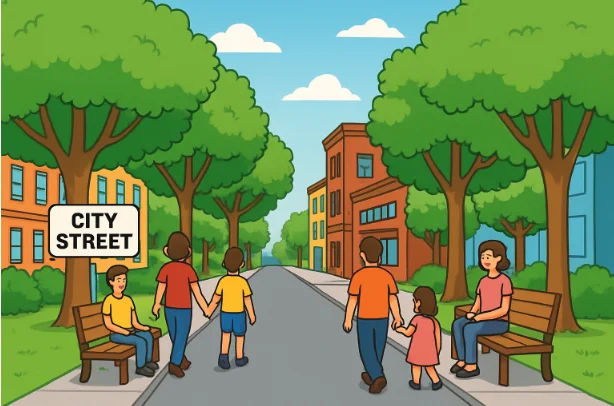
When trees thrive in cities, they don’t just beautify the streets—they also help filter air pollutants, mitigate climate stress, and create inviting spaces for neighborhoods to gather. The health status of urban trees is linked directly to our urban experience, affecting everything from public health to property values and community cohesion. As urban populations soar and green spaces shrink, prioritizing tree health becomes crucial in shaping healthier, more sustainable cities for future generations.

Environmental Benefits of Healthy Urban Trees

Healthy trees form the backbone of robust urban ecosystems. They serve as natural air purifiers by capturing particulate pollution, sequestering carbon, and releasing clean oxygen. Scientific studies have shown that trees in metropolitan areas can remove thousands of tons of pollution yearly, directly contributing to lower respiratory disease rates among city populations.

Additionally, the shade provided by the tree canopy curbs the urban heat island effect—a phenomenon where developed areas become dramatically warmer than nearby rural regions. Urban trees can lower city temperatures by two to four degrees Fahrenheit, reducing the demand for air conditioning and energy while creating a more livable city environment.

Impact on Public Health

The health of urban trees is intricately linked to the health of city dwellers. Regular interaction with green, leafy spaces promotes mental well-being, offers refuge from the stresses of city life, and even lowers rates of depression and anxiety. Research from Clemson University highlights that residents with greater exposure to structurally diverse and healthy trees experience better mental health outcomes, such as reduced stress levels and improved mood.

Physical health is also positively impacted. Proximity to urban forests encourages outdoor exercise, leading to lower blood pressure, improved cardiovascular health, and stronger immune systems. Moreover, healthier urban trees mean fewer allergens and better air, supporting those with asthma or respiratory concerns. The benefits extend to children, seniors, and vulnerable populations, bolstering overall community health and longevity.


Challenges to Urban Tree Health

Despite their many benefits, urban trees face a unique battleground. Constrained by paved streets, compacted soils, and limited growing space, these trees are more susceptible to stress from pollution, disease, heatwaves, and droughts than their rural counterparts. For example, research has revealed that trees in cities such as New York and Boston experience more profound negative impacts from prolonged heat and dry spells than those in less-developed, rural environments.

Additionally, urban trees are often exposed to mechanical damage (from vehicles, construction, or vandalism) and increased exposure to pests or pathogens. These threats and climate change create an urgent demand for proactive care and innovative management. If not addressed, the decline in urban tree health can quickly undo years of investment in city greening initiatives and lead to the rapid loss of ecosystem services they provide.

Strategies for Maintaining Urban Tree Health

Regular Maintenance and Care

Consistent upkeep is essential. This includes scheduled pruning to encourage strong growth, watering—especially during droughts—and amending soil to promote healthy root systems. Health assessments by professionals, such as arborists, help identify and address potential problems before they escalate.

Diverse and Climate-Resilient Planting

Diversifying the tree species portfolio lessens the impact of species-specific diseases and pests. Additionally, choosing species adapted to local climates and future conditions strengthens resilience, helping the urban forest stand up to changing weather extremes and invasive threats.

Community Engagement

City leaders are increasingly involving residents in the caretaking of local trees. Neighborhood stewardship programs, public tree inventories, and volunteer planting events foster a collective sense of ownership and pride, reinforcing the importance of ongoing care and advocacy for urban forests.

Community Involvement in Urban Forestry

Meaningful community engagement turns city greening from a bureaucratic process into a grassroots movement. Programs like the Million Tree Initiative spotlight how millions of hands can collectively transform urban spaces, increase canopy cover, and bolster the social fabric of neighborhoods.

Community-driven efforts not only support maintenance but also ensure trees are valued and protected for generations. Through education and outreach, citizens learn to recognize signs of tree stress and are empowered to act—be it through reporting issues or rolling up their sleeves during local planting days. The result is a healthier, more resilient urban ecosystem that serves everyone.

Final Thoughts

The health of city trees is deeply intertwined with the broader health and vitality of urban communities. As cities expand, prioritizing the well-being of urban forests is essential for safeguarding environmental, public, and social health. Through dedicated professional care, proactive policy, and strong community partnerships, we can ensure that city trees continue to thrive—making cities greener, healthier, and more resilient for future generations.

Comments

Want to add a comment?