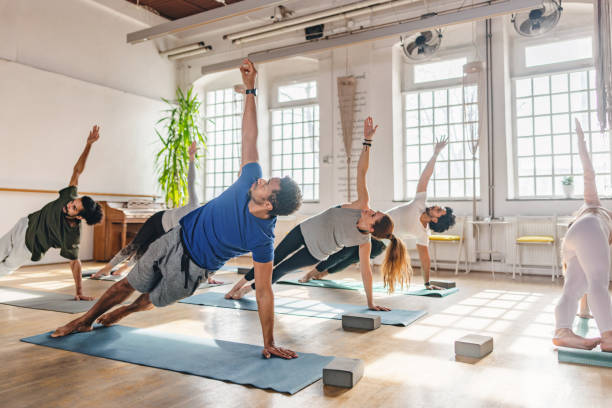
Thinking about skipping the studio and bringing Pilates home? You’re not alone. Gym fees are rising, traffic’s a pain, and some days it just feels easier to roll out a mat and move in your own space.
The best part is you can build a home pilates setup without spending thousands. You just need a bit of planning, some smart shopping, and a calm space where you actually want to work out.
Here’s how to make it happen.
You don’t need a big room to start. Most people only need enough space to lie down and stretch their arms without hitting the wall. A corner of your bedroom, living room, or garage is usually enough.
The goal is to find a spot that feels open, clean, and quiet. If possible, pick somewhere with natural light. Fresh air helps too.
Noise can be a real distraction, especially when you’re trying to focus on breathing and control. If you share your home, pick a time when things are calm, like early mornings or evenings.
Here are a few things to think about:
You don’t need a full reformer setup to get results. Most Pilates exercises can be done with your bodyweight and a few small tools.
Start simple and upgrade only when you know you’ll use the gear regularly.
The basics:
Once you’ve nailed the basics, you can think about bigger gear like a reformer or stability chair, but only if you’re using your setup regularly.
Still, if you love a bargain:
Nothing ruins motivation faster than clutter. A messy corner full of tangled cords, shoes, and random stuff makes it hard to focus.
Keep your Pilates area clean and easy to set up.
Once it’s organised, add a few calm touches, like a rug, maybe a candle, or even a Bluetooth speaker for quiet background music. You want your brain to associate the space with calm movement.
If you have room, add a small mirror for alignment. It helps you check posture and catch small form issues before they become habits.
Pilates looks easy until you realise how much control it actually takes. The movements are small, but every one of them works your core, posture, and breath.
If you’ve taken studio classes before, you already know the basics. But if you’re new, take time to learn proper form before going all in.
You can start with trusted online videos or virtual classes from NZ-based studios.
When you’re watching, look for instructors who talk about breathing, control, and alignment. Not just “feel the burn.” Pilates is about precision.
It also helps to record a short video of yourself every so often. You’ll notice small posture mistakes that you can fix before they turn into habits.
The best workout is the one you’ll actually do. You don’t need hour-long sessions to get results. Even fifteen minutes a day can help strengthen your body and improve your posture.
Start with basic moves like roll-downs, leg lifts, and bridges. Once they feel natural, add more complex moves or small props for resistance.
A few ways to stay on track:
If motivation dips (and it will), remind yourself why you started. Better posture, less back pain, more strength—whatever it was, write it somewhere visible.
Progress won’t happen overnight, but you’ll feel it within a few weeks if you stay regular.
You’ll see plenty of fancy Pilates gear online. Most of it looks great and costs a small fortune. The truth is, you don’t need it.
Here are a few budget-friendly swaps:
If you want to splurge later, invest in a higher quality mat or a proper reformer. Think of it as a reward for consistency, not a starting point.
The best part about a home studio? It’s your space. You can play whatever music helps you focus. You can wear pyjamas. You can stop mid-class for water without judgment.
Still, a bit of routine helps. Set a mini ritual, like rolling out your mat, lighting a candle, and putting your phone away. Those small cues tell your brain it’s time to move.
And every few weeks, switch it up:
Progress sneaks up slowly, so track it. Not in a spreadsheet way, just simple notes like maybe “felt easier today” or “held plank 10 seconds longer.” Over time, those small wins add up.
Don’t overthink it. You don’t need to turn your living room into a gym. A calm space, a mat, and a few simple tools are enough.
The goal is to move regularly and enjoy the process. You’re creating a habit that fits your life, not trying to match a studio setup.
Over time, you’ll notice the changes: stronger muscles, better posture, and more energy. That’s when you’ll realise it was never about the fancy equipment or big space. It was about consistency and comfort.
If you’re setting up your home Pilates studio on a budget, remember:
Do those things, and you’ll have a studio that’s affordable, peaceful, and surprisingly motivating.
Setting up a home Pilates studio doesn’t have to be expensive or complicated. It’s about creating a space where you can focus, breathe, and move without stress.
You’ll probably start small, but that’s the best way to build a habit that lasts. Over time, your little corner at home will start to feel like your own mini wellness studio.
And once you realise how much better you feel, you won’t miss the long drive or the crowded classes one bit.
 Supriyo Khan
 Supriyo Khan
 Supriyo Khan
 Supriyo Khan

Want to add a comment?