Choosing the right roofing material isn’t about chasing trends or selecting what looks best in a photo. It’s about understanding climate, structure, longevity, and lifestyle. The right roof quietly supports daily life. The wrong one becomes a recurring source of stress.
Let’s explore how to approach this decision thoughtfully, with a focus on long-term clarity rather than short-term appeal.
1. Start With Climate and Environment, Not Aesthetics
The most common mistake homeowners make is choosing roofing materials based on appearance alone.
A roof must withstand what nature delivers consistently, not occasionally. Consider:
heavy snowfall and freeze-thaw cycles
strong winds
prolonged sun exposure
driving rain
temperature swings
Materials that perform well in one region may struggle in another. What looks good in a mild climate may fail prematurely in harsher conditions.
Roofing materials respond differently to environmental stress:
some expand and contract more
some shed snow better
some absorb or reflect heat
some resist moisture more effectively
Understanding how materials behave over time is more important than how they look on day one.
When a roof works with the climate instead of against it, maintenance decreases, performance improves, and peace of mind grows.
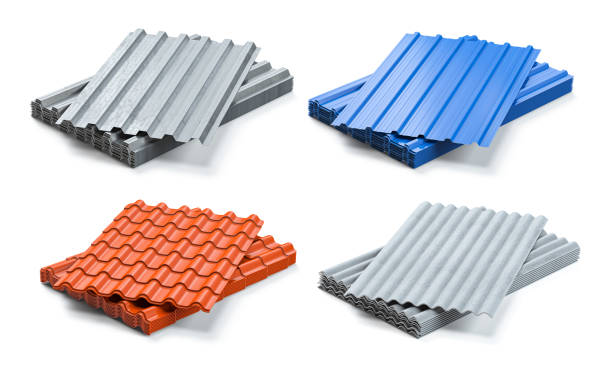
2. Understand the Main Roofing Material Categories
Once climate is considered, material type becomes the next layer of decision-making.
Asphalt shingles are widely used because they offer:
affordability
ease of installation
variety of styles and colours
moderate lifespan
They work well for many homes but require realistic expectations about longevity and replacement cycles.
Metal roofing is often chosen for:
long lifespan
resistance to fire and moisture
snow-shedding ability
modern or architectural aesthetics
It performs exceptionally well in harsh climates but requires careful installation and thoughtful detailing. When evaluating contractors for installation or repairs, it is equally important to prioritize experience and local reputation, so be sure to find a reliable Glasgow roofer here who understands regional weather conditions and material suitability.
These materials are designed to replicate traditional appearances while improving performance. They often offer:
consistent appearance
resistance to rot and insects
predictable aging
They appeal to homeowners who want balance between style and durability.
Clay, concrete, and other specialty materials are less common but offer:
exceptional longevity
distinct visual character
strong resistance to heat
However, they often require structural reinforcement and are best suited for specific architectural styles.
Each category carries trade-offs. No material is universally “best”,only best suited.
3. Think Beyond Installation: Maintenance and Lifespan Matter More
The true cost of a roof isn’t just the initial installation,it’s the total experience of owning it.
Some materials require:
periodic inspections
regular cleaning
replacement of individual components
Others demand very little attention once installed correctly.
Homeowners should ask:
How often will this roof need attention?
What happens if damage occurs?
How easy is repair?
A low-maintenance roof often becomes more valuable over time, even if the upfront cost is higher.
If you plan to stay in your home for decades, durability matters deeply. If you expect to sell in the near future, different priorities may apply.
Choosing a roof that aligns with your long-term plans prevents regret later.
Materials that age gradually,without sudden failures,allow homeowners to plan repairs rather than react to emergencies.
Peace of mind is an underestimated return on investment.
4. Structure, Slope, and Compatibility With Your Home
A roof doesn’t exist independently of the structure beneath it.
Some materials perform better on steep slopes, while others are better suited to low-slope or complex rooflines.
The slope affects:
water drainage
snow accumulation
installation complexity
material suitability
Ignoring pitch limitations can shorten a roof’s lifespan dramatically.
Heavier roofing materials may require:
additional framing
reinforcement
engineering assessment
Not every home is built to support every material. Matching weight to structure protects both the roof and the building itself.
A roof works in partnership with:
siding
insulation
ventilation
gutters
Choosing materials that integrate well with the rest of the exterior system improves overall performance.
Good roofing decisions are holistic, not isolated.
5. Balance Cost With Confidence, Not Just Budget
Cost always matters,but focusing only on the lowest number often leads to disappointment.
Lower-cost roofing options may lead to:
more frequent repairs
earlier replacement
higher maintenance costs
increased stress during storms
What feels like savings today can become a burden tomorrow.
A good roofing material offers:
consistent performance
predictable maintenance
resistance to local conditions
long-term stability
Confidence is part of value. Knowing your roof will perform during extreme weather changes how you experience your home.
Instead of asking:
“What’s the cheapest option?”
Ask:
“What material will protect my home best over time?”
“What choice aligns with how long I plan to live here?”
“What roofing system supports the rest of my exterior?”
These questions lead to better decisions,and fewer regrets.
The Takeaway: The Right Roofing Material Is a Thoughtful Choice, Not a Trend
Choosing roofing materials is about responsibility, foresight, and care. It’s a decision that affects comfort, safety, and confidence long after the installation crew leaves.
The strongest roofing choices come from:
understanding your climate
knowing your home’s structure
balancing durability with maintenance
thinking long-term rather than short-term
choosing materials that work as part of a complete exterior system
A roof should fade into the background of daily life,not because it’s unimportant, but because it works quietly and reliably, year after year.
When chosen thoughtfully, the right roofing material doesn’t demand attention.
It earns trust.
And that, more than anything, is what makes a roof truly right for a home.
Beyond the immediate financial outlay, homeowners must also account for the regional variables that dictate long-term performance. In coastal or humid environments, salt spray and high moisture levels can accelerate the degradation of certain traditional shingles, necessitating a more robust approach to material selection. Many experienced Roofers Crestview FL suggest that prioritizing impact-resistant options can offer a significant advantage against unpredictable seasonal storms. This careful balancing of localized environmental stressors with personal aesthetic preferences ensures that the finished structure provides lasting security. Ultimately, evaluating how a specific material interacts with your unique geographic landscape is just as vital as the initial installation quality itself.
 Supriyo Khan
 Supriyo Khan
 Supriyo Khan
 Supriyo Khan

Want to add a comment?