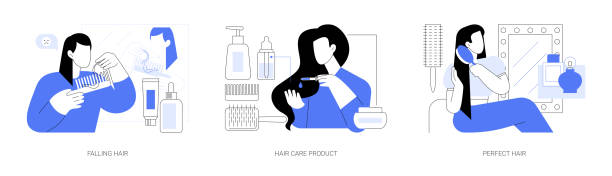
The private label hair care market is experiencing unprecedented growth, with more entrepreneurs launching their own beauty brands than ever before. However, the success of your hair care line doesn't just depend on brilliant marketing or trendy packaging—it starts with choosing the right OEM (Original Equipment Manufacturer) partner. This critical decision can make or break your brand, affecting everything from product quality to profit margins. An OEM manufacturer produces products that other companies rebrand and sell as their own. Unlike white label products where you simply add your logo to existing formulations, OEM partnerships offer customization options that allow you to create unique products tailored to your brand's vision. This distinction is crucial for brands seeking to stand out in the competitive hair care market. The benefits of partnering with an OEM manufacturer include access to professional formulation expertise, reduced upfront investment in equipment and facilities, faster time to market, and the ability to scale production as your brand grows. Before approaching potential partners, clearly define your needs. What products will comprise your initial line—shampoos, conditioners, treatments, or styling products? Understanding your target market is equally important. Are you catering to salon professionals, eco-conscious consumers, or addressing specific hair concerns like damage repair or curl definition? Budget considerations and Minimum Order Quantities (MOQs) will significantly influence your partner selection. While some manufacturers require orders of 10,000 units or more, others accommodate smaller brands with more flexible minimums. Additionally, establish your timeline expectations and identify your unique selling propositions, whether that's organic ingredients, sustainable packaging, or specialized formulations. Your OEM partner's research and development capabilities directly impact your product's effectiveness. Look for manufacturers with experienced cosmetic chemists who can customize formulations to meet your specifications. Inquire about their ingredient sourcing practices, quality control protocols, and testing procedures. Reputable partners conduct stability testing, microbial testing, and safety assessments to ensure products meet industry standards. Certifications demonstrate a manufacturer's commitment to quality and safety. Essential certifications include GMP (Good Manufacturing Practice), which ensures consistent production quality, and ISO certifications that verify quality management systems. For U.S. market entry, FDA compliance is non-negotiable. If your brand emphasizes natural or organic products, look for USDA Organic, COSMOS, or Ecocert certifications. Cruelty-free and vegan certifications are increasingly important to modern consumers. Assess the manufacturer's capacity to meet your current needs and accommodate future growth. Modern equipment and technology indicate a commitment to quality and efficiency. Understand their sample development process—how many iterations are included, and what's the typical timeline? Lead times vary significantly between manufacturers, so ensure their production schedule aligns with your launch plans. Some OEM partners offer comprehensive packaging solutions, from bottle design to labeling services. This one-stop-shop approach can simplify your supply chain and reduce costs. Increasingly, brands seek sustainable packaging alternatives, so inquire about eco-friendly options like recycled materials or refillable containers. Thorough due diligence is essential. Research potential partners online, read reviews, and request references from current clients. If possible, arrange factory visits to observe operations firsthand and verify manufacturing conditions. Request samples to evaluate product quality, texture, and scent. Communication is a critical yet often overlooked factor. Assess responsiveness during initial inquiries—delays or vague answers at this stage often predict future frustrations. Ensure language capabilities align, especially when working with international manufacturers. Dedicated account management and accessible technical support indicate a partner invested in your success. Financial transparency matters. Request detailed pricing breakdowns to understand all costs, including ingredients, packaging, labor, and shipping. Watch for hidden fees that can erode profit margins. Review contract terms carefully, paying attention to payment schedules, intellectual property rights, and termination clauses. Certain warning signs should prompt reconsideration. Lack of proper certifications, unwillingness to provide references or allow factory tours, and unclear pricing structures are significant concerns. Poor communication, limited customization capabilities, and absence of documented quality assurance processes indicate a potentially problematic partnership. The strongest OEM relationships are built on clear expectations, regular communication, and mutual respect. As your brand grows, your partner should accommodate scaling needs and collaborate on innovation. Establish protocols for addressing issues promptly and professionally. Choosing the right OEM hair care partner requires careful research, thorough vetting, and clear communication. By focusing on quality, certifications, production capabilities, and cultural fit, you'll find a partner who shares your commitment to excellence. Remember, this partnership forms the foundation of your brand—invest the time to choose wisely, and you'll build a hair care line that delights customers and stands the test of time.Understanding OEM Manufacturing
What OEM Hair Care Means and Why It Matters for Growing Brands
OEM hair care refers to working with an Original Equipment Manufacturer that develops and produces hair care products according to your brand’s specific requirements. Unlike standard private label options, OEM hair care allows brands to have greater control over formulations, ingredients, performance, and overall product positioning. This approach enables businesses to create distinctive, high-quality products that align with their brand vision while benefiting from the manufacturer’s technical expertise, production capabilities, and regulatory support. For brands looking to stand out in a competitive market, OEM offers a strategic balance between customization, efficiency, and scalability.Defining Your Brand Requirements
Key Evaluation Criteria
Quality and Formulation Expertise
Certifications and Compliance
Production Capabilities
Packaging and Design Services
Vetting Potential Partners
Red Flags to Avoid
Building for Success
 Supriyo Khan
 Supriyo Khan
 Supriyo Khan
 Supriyo Khan

Want to add a comment?