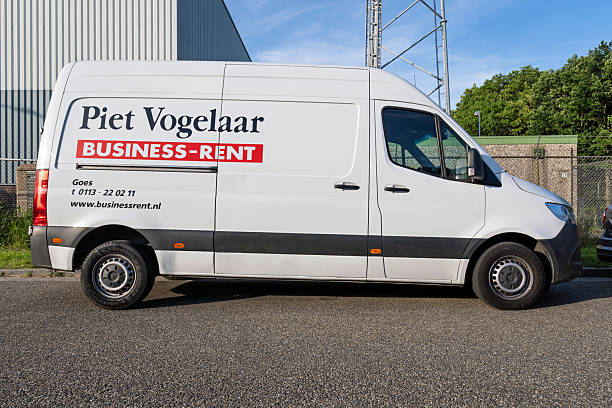
The Mercedes Sprinter is probably the most common serious commercial van you'll see on Australian roads, and there's good reason for that—they're reliable and can handle pretty much whatever you throw at them. But straight off the lot, they're set up for general use, not for Australian conditions or specific business needs. That's where mercedes sprinter accessories australia become important. We're dealing with harsh UV, terrible roads in some areas, dust that gets into everything, and temperature extremes that factory setups don't always account for. Australian transport industry data shows that properly accessorised commercial vehicles have 35% fewer breakdown incidents and maintain resale values around 20% higher than unmodified equivalents, mainly because the right accessories protect the vehicle while making it more capable.
Suspension and handling upgrades
Stock Sprinter suspension is okay for normal loads on decent roads, but throw in a full fitout with tools and materials, then drive on corrugated dirt roads, and you'll feel every bump. Heavy-duty suspension kits with upgraded shock absorbers and springs are designed for Australian conditions—they handle the weight better and reduce body roll when you're loaded up.
Airbag suspension systems take this further by letting you adjust ride height and stiffness depending on load. When you're empty, you can soften it for comfort. Fully loaded, you pump them up to maintain ride height and handling. Some systems include onboard compressors so you can adjust on the go, which is useful when you're picking up materials and the weight distribution changes. Studies on commercial vehicle maintenance costs show that proper suspension upgrades can reduce wear on other components by up to 25%, because everything from wheel bearings to door hinges lasts longer when you're not constantly bouncing around.
Protection from Australian conditions
Bull bars aren't just for looks in regional areas—they're genuine protection against wildlife strikes, which happen more often than people think. A decent steel bull bar can be the difference between driving away from a kangaroo strike and having thousands in front-end damage. The better ones integrate with the Sprinter's existing crash structure properly, not just bolted on as an afterthought.
Stone guards for lights and windscreens make sense anywhere outside cities. Driving on gravel roads, you're going to cop stones, and replacement headlight assemblies on a Sprinter aren't cheap. Mesh guards for the radiator prevent debris blocking airflow, which is critical in dusty conditions or on jobsites where there's lots of particulate in the air.
Cooling and climate control
The standard air conditioning in a Sprinter works fine in Melbourne but struggles in Darwin when it's 35°C outside and you've got equipment generating heat in the back. Upgraded AC systems with higher capacity compressors and additional cooling vents keep the cabin and cargo area at reasonable temperatures. This matters more than comfort—some trades carry materials or products that degrade in heat.
Auxiliary fans for the cargo area improve airflow when you've got a full fitout that blocks the standard vents. Some setups include separate climate zones for the load area, particularly useful in catering or pharmaceutical transport where temperature control isn't optional. Insulation upgrades for the walls and ceiling reduce heat transfer, making the AC work less hard and improving fuel economy slightly.
Performance modifications that make sense
Upgraded intercoolers improve engine efficiency, particularly important when you're running loaded in hot conditions or doing lots of highway driving with hills. The factory intercooler is adequate but not oversized, and a larger aftermarket unit with better airflow can drop intake temperatures by 15-20°C. Cooler air going into the engine means better combustion efficiency and less chance of heat-related issues.
Exhaust upgrades—not the loud ones, but properly engineered systems with better flow—can recover a bit of power that gets lost through the factory setup. Combined with a quality tune from specialists who know Sprinter engines, you can see improvements in both power delivery and fuel consumption. Real-world data from fleet operators shows gains of around 8-12% in fuel economy with proper engine management tuning, which adds up over thousands of kilometres.
Practical load management
Roof racks on a Sprinter give you storage without sacrificing interior space, but they need to be heavy-duty because the roof wasn't designed for huge loads. Proper racks distribute weight across the roof structure correctly and include tie-down points that actually hold things secure. Aluminium trays are popular because they're light but strong, and they don't rust in coastal areas.
Internal cargo management systems—shelving, drawers, and securing points—are crucial because an unsecured load shifts around and causes damage or worse. Proper fitouts bolt to the van's structure at reinforced points, not just through the thin wall panels. Some systems are modular so you can reconfigure them if your needs change, which protects your investment if you change industries or sell the van later.
The difference between a stock Sprinter and one set up properly for Australian conditions is massive, and it shows up in reliability and how well it does the job you bought it for.
 Supriyo Khan
 Supriyo Khan
 Supriyo Khan
 Supriyo Khan

Want to add a comment?