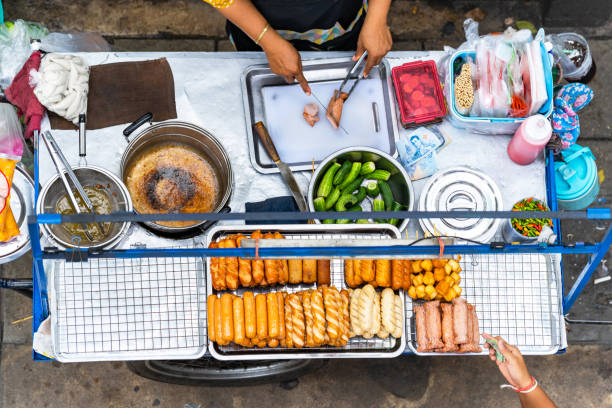
For a long time, homemade meals have been seen as the gold standard of freshness. Cooking at home feels safer, healthier, and more controlled. You know where the ingredients come from, how long they’ve been stored, and how the food is prepared. Street food, meanwhile, is often viewed as something quick and convenient rather than genuinely fresh.
However, this perception doesn’t always reflect reality — especially when it comes to modern street food. In many cases, meals prepared in today’s food trailers can rival, or even surpass, homemade food in terms of freshness.
When people talk about fresh food, they usually think about ingredients. But freshness is also about time. How long does food sit before it’s cooked? How long does it wait after cooking before it’s eaten? How often is it reheated or stored?
A home-cooked meal prepared in the morning and eaten days later may still be safe, but it’s no longer truly fresh. Refrigeration slows spoilage, yet it doesn’t stop changes in texture, taste, and nutritional value. Freshness, therefore, is not only about the kitchen — it’s about the entire journey from preparation to plate.
Home cooking offers clear benefits. You control portions, seasoning, and ingredient quality. For families and individuals with dietary needs, this control is essential. But modern lifestyles often introduce compromises. Many people cook in large batches to save time, storing meals, sauces, or sandwiches for several days.
This practice is practical, but it can quietly reduce freshness. Even when food is properly refrigerated, repeated storage and reheating slowly diminish its quality. In contrast, food prepared and eaten immediately avoids many of these issues.
Modern street food operations work under very different conditions than home kitchens. A small food trailer has limited space, which naturally discourages overstocking ingredients. Vendors tend to buy smaller quantities more frequently, keeping supplies moving instead of sitting in storage.
In a bbq trailer, meat is typically cooked on-site and served shortly after preparation. There is little incentive to pre-cook large volumes far in advance. The same applies to an ice cream trailer, where strict temperature control and fast turnover are essential for maintaining quality and safety.
Taco vendors are another good example. Fresh tortillas, fillings prepared throughout the day, and quick assembly mean that food reaches customers almost immediately. It’s no surprise that interest in a taco trailer for sale continues to grow among operators who prioritize freshness and speed.
The rise of custom food trailers has played a major role in changing perceptions of street food. Unlike generic setups, these trailers are designed around a specific menu. That means better organization, cleaner workflows, and fewer compromises during preparation.
Custom layouts allow vendors to separate raw ingredients from cooked food, manage temperatures more effectively, and serve customers faster. All of this contributes to meals that are prepared with intention rather than rushed or reheated.
California cities have embraced street food as part of everyday life. Instead of being seen as a last-minute option, food trailers are now destinations in their own right. In places like Fremont, this shift has also driven demand for a food trailer for sale in Fremont, as more entrepreneurs recognize that smaller, specialized trailers are ideal for serving food at its freshest.
Rather than relying on long storage times, many operators focus on short menus, high turnover, and cooking to order. This approach aligns well with modern expectations around quality and transparency.
Homemade meals and street food both have their place. Cooking at home offers familiarity and customization, while street food offers immediacy and efficiency. Freshness doesn’t depend solely on where food is prepared, but on how it is handled before and after cooking.
In today’s food landscape, the gap between homemade meals and street food continues to narrow. With thoughtful preparation, frequent ingredient turnover, and well-designed trailers, modern street food can be just as fresh — and sometimes fresher — than what comes out of a home kitchen.
 Supriyo Khan
 Supriyo Khan
 Supriyo Khan
 Supriyo Khan
Want to add a comment?