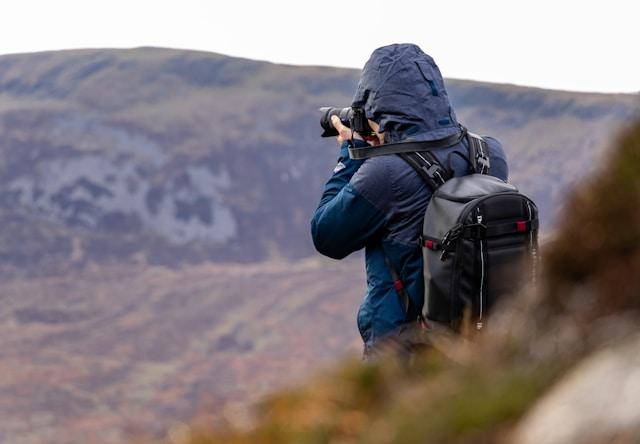
Cameras are built with precision. Lenses rely on fragile coatings and moving glass. A single gust of wind can grind sand into a tripod lock. Moisture that seeps through a seal corrodes circuits and ruins memory cards.
Bad weather is uncomfortable for the
person behind the camera, but it can also shorten the lifespan of the tools
they depend on. Yet many of the most striking images happen under rough
conditions: storm clouds rolling over hills, snow reshaping a quiet street, or
fog drifting across water. Knowing how to protect equipment in these moments
separates a successful outing from an expensive mistake.
Before looking at rain, snow, or heat,
think about general safety. Gear is portable, high-value, and unfortunately
attractive to thieves. Unlike a car, which can at least be traced through its
identification number, drivers can locate
a stolen car by VIN later; camera
equipment has no built-in recovery system.
A bag lifted in a crowded festival or a
lens snatched in a busy station is often gone for good. That makes prevention
critical. Use bags that do not broadcast what is inside. Keep the straps looped
around your wrist or arm. When conditions are rough and attention is divided
between shooting and staying dry, awareness of theft risk is just as important
as weather protection. Losing a camera to rain is frustrating; losing it to
theft is final.
Rain showers often arrive with little
warning. A brief walk between two buildings can soak a camera enough to cause
failure later. The simplest safeguard is to carry a cover at all times.
Purpose-built sleeves fit tightly while
leaving buttons and dials accessible. They prevent water from gathering around
seams or the lens mount. In situations where you are caught unprepared, a heavy
plastic bag with a hole cut for the lens and a rubber band around the hood can
be the difference between a working camera and a costly repair. A microfiber
cloth for wiping away droplets is another must-have. Quick action matters: the
longer moisture sits, the more it seeps inward.
Many modern cameras are advertised as
weather-sealed, a term that suggests protection but rarely equals full
resistance. In most cases, sealing refers to gaskets around buttons and
compartment doors. This helps with light rain but not prolonged exposure.
Even professionals shooting major outdoor
sports events in storms use covers on top of sealed bodies. Think of sealing as
an extra layer, not a shield you can fully trust.
Cold weather introduces more than numb
fingers. Walking indoors from freezing temperatures often creates condensation
inside the camera body. The sudden temperature jump makes warm air deposit
moisture onto the cold surfaces of glass and electronics. A simple plastic bag
prevents this problem. Before stepping inside, place the camera in the bag and
seal it.
As it warms up, condensation forms on the
outside of the bag rather than the interior of the camera. Waiting a few
minutes before removing it spares sensitive components from hidden water
damage.

Lithium-ion batteries lose capacity
quickly in sub-zero conditions. A battery that normally powers a shoot for two
hours may empty in less than half the time. The fix is practical: keep spares
in an inside pocket where body heat preserves charge. Rotate them as needed. A
battery that has stopped in the cold often regains some life once warmed. This
habit turns freezing conditions from a frustration into a manageable routine.
At beaches or deserts, particles as fine
as dust grind into moving parts. A tripod leg filled with sand scratches and
sticks every time it extends. Salt from sea spray speeds corrosion. A clear UV
or protective filter on the front of a lens gives you a barrier that can be
replaced cheaply.
Wipe down gear with a damp cloth after
exposure, paying special attention to joints and buttons.
Summer sun or a locked car on a hot day
can raise internal temperatures beyond safe limits. Plastics warp and
electronic boards degrade long before you notice outward signs. Whenever
possible, store gear in shade or inside an insulated bag. A reflective emergency
blanket wrapped around the case lowers internal heat significantly. Switching
the camera off between sessions allows it to cool. While rain may cause
immediate failure, heat shortens lifespan over years, making it easy to
overlook until it is too late.
The best protection strategy is routine.
Wipe lenses before placing them back in the bag. Dry tripods before collapsing
them. Carry rain covers even when the sky is clear. Warm batteries before
inserting them. Seal cameras in plastic bags before stepping inside from the
cold. When repeated enough, these steps become second nature. They save time
and extend the life of equipment without slowing down the creative process.
 Supriyo Khan
 Supriyo Khan
 Supriyo Khan
 Supriyo Khan
Want to add a comment?