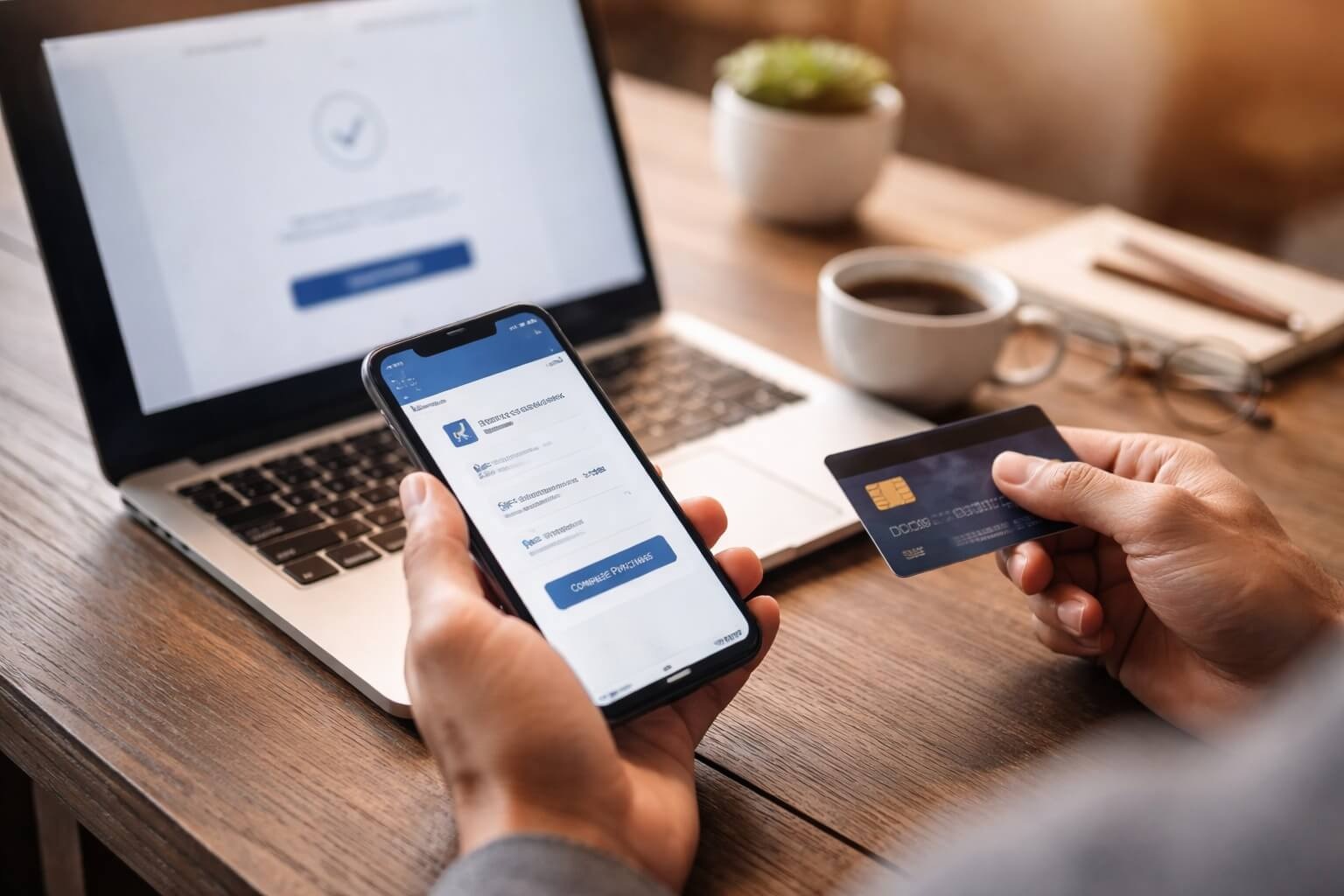
Digital services have become a constant presence in everyday life. From entertainment and subscriptions to productivity tools and online platforms, access to digital value now happens across dozens of services and ecosystems. What often goes unnoticed, however, is how fragmented the experience of paying for these services has become. Each platform tends to operate within its own payment logic. Different checkout flows, different methods, different levels of complexity. Individually, these differences may seem minor. Collectively, they create friction that accumulates over time, shaping how users perceive digital spending as a whole. As digital consumption continues to expand, expectations are quietly shifting. Users no longer judge payment experiences in isolation. They compare them across services, measuring how quickly access is granted and how seamlessly transactions fit into the moment of decision. Inconsistencies stand out, and unnecessary steps feel increasingly out of place. This growing disconnect highlights a broader challenge facing digital commerce today. While the products and services themselves have evolved rapidly, the mechanisms used to pay for them often lag behind. Bridging this gap requires rethinking not just individual payment methods, but the overall relationship between payment, access, and user experience.
How alternative access models simplify digital purchases
As flexibility becomes a priority, alternative access models have started to gain attention across digital services. These approaches shift the focus away from traditional checkout structures and toward reducing the effort required to complete a purchase. The goal is not to introduce new payment methods, but to simplify how value is accessed once a decision has been made.
Alternative models work by minimizing unnecessary steps. Instead of guiding users through multiple forms, redirects, or verification layers, they aim to shorten the path between intent and access. This reduction helps preserve momentum, particularly in situations where digital products are expected to be available immediately.
For users navigating multiple online services, these models offer a more predictable experience. Rather than adapting to different checkout flows on each platform, access mechanisms become more consistent and easier to manage. This consistency supports better control over digital spending while reducing the cognitive effort associated with completing purchases.
In this context, digital gift cards have emerged as a practical option for simplifying digital purchases across services. By separating payment from access and avoiding traditional checkout complexity, they allow users to complete transactions with fewer interruptions. The result is a more streamlined experience that aligns with the pace and expectations of modern digital consumption.
As digital services continue to expand, some platforms have started rethinking how payment fits into the broader user journey. Instead of treating transactions as isolated technical steps, these platforms focus on continuity — ensuring that payment feels like a natural extension of accessing digital value rather than a separate hurdle.
The emphasis is placed on reducing friction across multiple services. Rather than requiring users to adapt to different payment flows each time they interact with a new platform, these approaches prioritize simplicity and consistency. Fewer steps, clearer outcomes, and predictable access help align payment with how digital services are actually used.
Some platforms illustrate this model by designing systems that minimize interruption between decision and access. Platforms such as https://aceb.com/ focus on simplifying digital transactions and reducing the complexity typically associated with traditional checkout flows. By prioritizing immediacy and clarity, these platforms support a more coherent digital spending experience across services.
What distinguishes these approaches is not the removal of choice, but the removal of unnecessary effort. When payment adapts to the pace of digital consumption, it becomes less visible and more supportive. In this environment, reducing friction is not just a usability improvement — it is a reflection of how digital services are expected to function today.
When discussing digital payments, the conversation often focuses on methods — cards, wallets, transfers, or emerging alternatives. Yet for users navigating multiple digital services, the specific method matters far less than the flexibility surrounding it. What people increasingly value is not how they pay, but how easily payment adapts to their context.
Flexibility in digital spending is about choice without friction. Users want the ability to move between services without relearning payment processes or encountering unexpected barriers. When payment systems are rigid, they impose structure on moments that should feel intuitive. This rigidity becomes especially apparent when users manage subscriptions, one-time purchases, and recurring access across different platforms.
Control is a central component of flexibility. Digital consumers want predictable outcomes — knowing when access will be granted, how much will be spent, and how payment fits into their broader usage. Systems that prioritize method over experience often fail to provide this clarity. The result is uncertainty, even when the transaction itself is technically secure.
Flexibility also reduces cognitive load. When payment experiences are consistent and adaptable, users spend less time navigating processes and more time engaging with the service itself. This shift may seem subtle, but it significantly influences satisfaction and trust over time. Payment becomes a background function rather than a focal point.
As digital services continue to diversify, flexibility emerges as a key expectation. Users are no longer loyal to payment methods; they are loyal to experiences that respect their time and adapt to their needs. In this environment, solutions that emphasize flexibility over formality are better aligned with how digital value is consumed today.
As digital services multiplied, payment experiences evolved unevenly. Each platform optimized its own checkout flow, often without considering how users interact with multiple services over time. The result is a landscape where digital spending feels increasingly fragmented, even when the products themselves are simple and instantly accessible.
Users today move between subscriptions, content platforms, online tools, and digital marketplaces on a daily basis. Yet each interaction introduces a different payment logic. One service requires account creation, another redirects to an external provider, while others impose verification steps that feel disproportionate to what is being purchased. These inconsistencies create friction not because any single step is complex, but because the overall experience lacks coherence.
Fragmentation also affects perception. When users encounter varied payment flows across services, they begin to associate digital spending with effort rather than convenience. Small interruptions accumulate, turning routine transactions into decisions that require unnecessary attention. Over time, this can lead to hesitation, delayed purchases, or complete disengagement.
From a behavioral perspective, fragmented payments disrupt momentum. Digital purchases often happen in moments of intent — when a user decides to access content, activate a service, or unlock functionality. Interruptions during these moments introduce doubt and reduce the likelihood of completion. Even when transactions succeed, the experience may feel inefficient or outdated.
The challenge is not limited to usability. Fragmented payment systems also make it harder for users to manage and predict their digital spending. Without consistency, control feels diminished. As digital services continue to expand into every aspect of daily life, the lack of unified payment experiences becomes more noticeable — and increasingly misaligned with user expectations.
 Supriyo Khan
 Supriyo Khan
 Supriyo Khan
 Supriyo Khan

Want to add a comment?