Construction decisions shape how employees move, think, and perform throughout the day. Companies depend on environments that support predictable routines, efficient workflows, and steady comfort. Poor construction leads to disruptions, frustration, and avoidable costs, while strong decisions create reliable spaces that help employees stay focused. Every choice, from structural layout to materials, influences operational clarity and daily performance.
Daily activities depend on the quality and logic of the built environment. When construction is rushed or inconsistent, employees face obstacles that slow progress and interrupt concentration. Uneven surfaces, noisy materials, and inadequate spacing increase friction during the workday. Small delays accumulate into larger inefficiencies that affect overall output.
Quality construction stabilizes operations by reducing unexpected issues. Reliable materials withstand frequent use without ongoing repairs. Clear structural planning supports a natural flow of movement through hallways, shared spaces, and meeting areas. Employees complete tasks with less effort when the environment remains consistent. This stability strengthens focus and improves time management across teams.
Layout planning determines how employees navigate the workplace. Smooth and logical layouts minimize unnecessary movement and shorten the distance between essential areas. Poor placement of shared resources forces employees to take inefficient routes, reducing available time for meaningful work.
Thoughtful layout design organizes spaces into functional zones. Collaborative areas remain separate from quiet areas, protecting concentration when a deeper focus is needed. Circulation routes allow employees to move without encountering repeated obstacles. Workflows improve when tools, information, and colleagues are accessible without disruption. Well-planned layouts become a foundation for dependable performance.
Durable materials protect workflow by reducing maintenance interruptions. When surfaces, fixtures, and structural components hold up under everyday use, employees face fewer delays caused by repairs or temporary closures. Fragile materials, on the other hand, introduce recurring problems that interfere with productivity.
Choosing strong materials during construction reduces future expenses and keeps operations steady. Fewer replacements and repairs mean fewer disruptions to employee routines. Durability also improves safety by preventing hazards created by wear. By selecting materials built for heavy use, companies support efficiency and create work environments that stay dependable as demands evolve.
Private and semi-private areas support essential moments of comfort and focus during the workday. These areas function best when constructed with durability, stability, and usability in mind. Employees depend on them for breaks, personal needs, and brief resets, and any disruption in these spaces affects overall concentration.
In areas with high foot traffic, construction quality is paramount. Reliable surfaces, durable fixtures, and properly aligned doors establish predictable routines, which in turn enhance comfort. Investing in features, such as a well-constructed commercial toilet stall, gives employees a feeling of consistency. Every detail contributes to a supportive workplace, minimizing interruptions and allowing people to focus on their work.
Comfort plays a major role in workplace efficiency, and construction decisions determine whether comfort stays consistent. Ventilation quality affects concentration because stale air reduces alertness. Thoughtful construction ensures airflow reaches all areas evenly, supporting clear thinking throughout the day.
Acoustics influence productivity by determining how sound travels. Poor acoustics allow noise to spread quickly, interrupting focus and raising stress. Construction choices that improve sound absorption create quieter environments where employees manage tasks with fewer distractions.
Lighting directly affects performance. Reliable lighting reduces eye strain and strengthens energy levels. When lighting remains consistent across the space, employees maintain focus without adjusting to changing conditions. Thoughtful construction places lighting in alignment with workspace flow to support comfort and efficiency.
Safe environments support predictable movement and reduce accidents that interrupt workflow. Construction decisions determine the stability of floors, the placement of handrails, and the reliability of walkways. When safety is treated as a priority, employees move confidently and work without fear of obstacles.
Accessibility improves performance for all employees. Well-designed accessible routes allow individuals to move without strain, contributing to comfort and smoother flow in shared areas. When employees of all abilities navigate the space easily, operations experience fewer delays and a more stable rhythm.
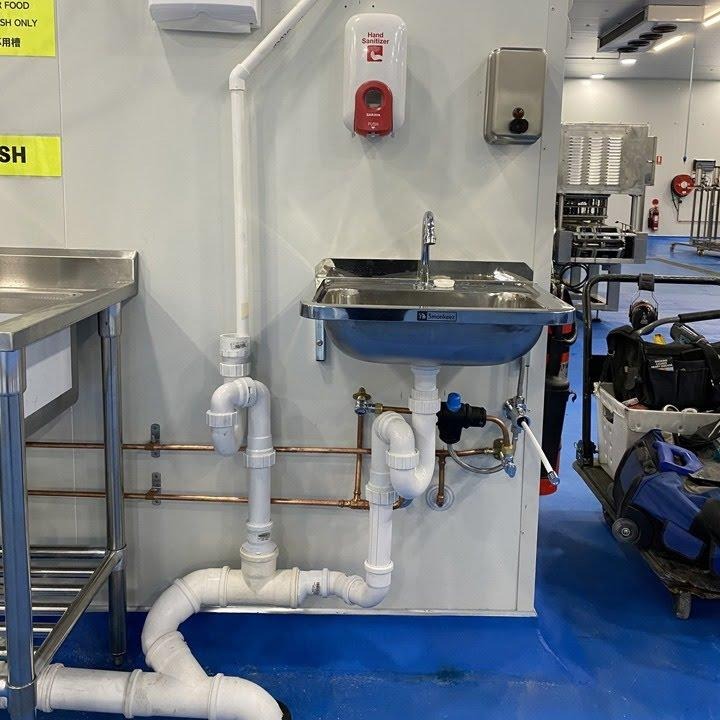
Infrastructure serves as the backbone of daily operations. Electrical systems, plumbing, and storage areas must be positioned to support ease of use. Poor placement forces employees to adapt to inconvenient setups or frequent interruptions during repairs or upgrades.
Thoughtful construction ensures systems remain accessible without interfering with work. Strategically placed storage reduces clutter in active zones. Electrical and data access near workstations prevents tangled cables and unstable connections. These decisions improve efficiency by keeping essential resources within reach and reducing downtime.
Companies grow and shift over time, and construction choices determine whether a workplace adapts smoothly or becomes restrictive. Flexible layouts allow organizations to reconfigure spaces as teams expand or roles change.
Adaptable construction prevents costly disruptions. Removable partitions, modular components, and scalable infrastructure allow companies to adjust environments while maintaining productivity. This flexibility supports consistent efficiency because employees continue to work comfortably through transitions.
Improving efficiency through construction begins with careful evaluation. Companies study workflow patterns, employee habits, and areas where congestion forms. This information guides decisions about layout adjustments, material selection, and infrastructure upgrades.
Next, businesses identify improvements with the strongest impact. Durable materials, ergonomic placements, and optimized circulation contribute to meaningful gains without requiring extensive structural changes. Collaboration with planners, contractors, and operational leaders ensures construction decisions support broader business goals.
Regular review helps maintain alignment between the built environment and operational needs. Companies observe new patterns, gather feedback, and update spaces based on real workflow demands. This approach preserves efficiency as work evolves.
Construction choices influence workplace efficiency by shaping movement, comfort, and daily performance. Strong materials, thoughtful layouts, and reliable infrastructure help employees work with fewer interruptions and greater focus. Companies that prioritize construction quality create environments that support steady workflows, reduce friction, and strengthen productivity across the organization.
 Supriyo Khan
 Supriyo Khan
 Supriyo Khan
 Supriyo Khan

Want to add a comment?