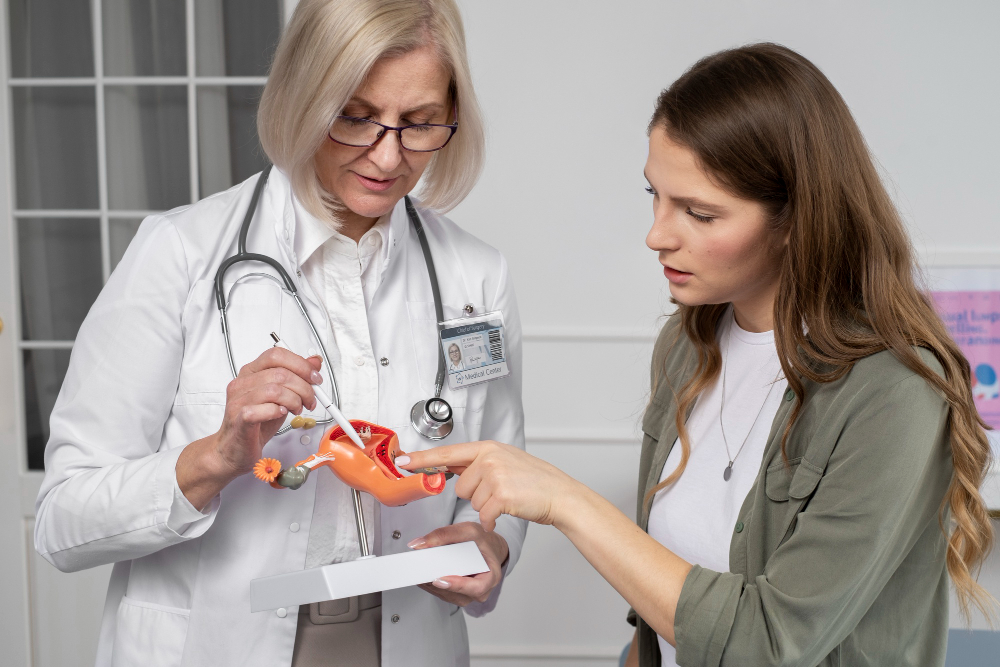
Bowel endometriosis is a serious condition that affects both the reproductive system and digestive tract. It often causes pain, bloating, and changes in bowel habits that interfere with daily life. Many people live with symptoms for years before receiving answers. Understanding treatment options helps patients feel more prepared and confident when seeking care for bowel endometriosis treatment in Newport Beach.
Bowel endometriosis develops when tissue similar to the uterine lining grows on the intestines. These growths may cause swelling, irritation, and pressure that interfere with normal bowel movement. Symptoms often become worse during menstruation but may occur throughout the month.
Many patients experience constipation, diarrhea, bloating, painful bowel movements, or deep pelvic pain. These symptoms can resemble digestive disorders, making diagnosis difficult. Some people are first treated for irritable bowel syndrome before endometriosis is considered.
In advanced cases, scar tissue can narrow parts of the bowel, making digestion uncomfortable or slow. This may lead to fatigue, nutritional concerns, or difficulty maintaining daily routines.
Seeking bowel endometriosis treatment often begins when digestive discomfort becomes persistent or severe enough to impact quality of life.
Accurate diagnosis begins with a detailed review of symptoms and medical history. Providers ask about pain patterns, digestive changes, menstrual cycles, and past treatments. This helps guide further testing and specialist referrals.
Imaging tests such as pelvic ultrasound or MRI may reveal deep lesions affecting bowel structures. These tools help doctors plan treatment, but cannot always confirm the diagnosis fully.
Laparoscopy is considered the most reliable diagnostic method. During this minimally invasive surgery, doctors visualize the tissue directly and remove suspicious lesions for confirmation. This approach also allows treatment to begin during the same procedure when appropriate.
Early diagnosis improves treatment success and reduces long-term complications for patients pursuing bowel endometriosis treatment in Newport Beach.
Medical treatment often focuses on reducing inflammation, slowing tissue growth, and relieving pain. These therapies do not remove endometriosis tissue but may significantly improve daily comfort and bowel function.
Hormonal medications are commonly used to lower estrogen levels, which reduces symptom flare-ups. Pain management strategies and digestive support therapies are often included in treatment plans.
Some patients benefit from combining medication with physical therapy and nutritional guidance. This holistic approach supports symptom control while improving energy levels and daily comfort.
Reduces estrogen production to slow lesion growth and ease pelvic and bowel inflammation-related discomfort.
Includes anti-inflammatory and nerve-targeting medications that improve daily comfort and activity tolerance.
Dietary changes and bowel regulation therapies help manage bloating, constipation, and abdominal pressure symptoms.
Addresses muscle tension and dysfunction that worsen bowel movement pain and pelvic discomfort.
Many patients find meaningful symptom relief with medical care alone. If symptoms persist or worsen, surgical evaluation may be recommended.
Surgery is typically recommended when medications fail to control symptoms or when bowel function becomes impaired. The goal is to remove endometriosis tissue while preserving healthy bowel structures.
Minimally invasive laparoscopic surgery is most often used. Depending on lesion depth, surgeons may shave surface lesions, remove small sections of bowel wall, or perform segmental bowel resection.
These procedures are frequently performed by multidisciplinary teams, combining gynecologic and colorectal surgical expertise. This collaboration improves safety and long-term outcomes.
Many patients report significant improvement in digestion, reduced pain, and greater physical comfort after surgery.
Recovery depends on the type of treatment received. Medical therapy requires symptom monitoring and medication adjustments. Surgical recovery may take several weeks, especially if bowel repair is involved.
Follow-up visits help assess healing, manage pain, and reduce the risk of recurrence. Ongoing care improves symptom control and long-term digestive health.
Some patients also benefit from counseling or support groups to address emotional stress related to chronic pain and fertility concerns.
Light movement and rest balance support healing while reducing stiffness and circulation problems.
Tracking bowel habits and pelvic pain helps detect complications or recurrence early.
Continued hormone treatment may reduce the risk of symptom return after surgery.
Diet changes and stress management improve digestion and long-term symptom stability.
With proper care, many patients experience lasting symptom improvement and better quality of life.
Bowel endometriosis requires thoughtful diagnosis and individualized treatment to protect both digestive and reproductive health. With access to modern therapies and experienced specialists, patients often achieve long-term symptom relief. Clinics such as the Center for Endometriosis and Fertility emphasize coordinated care approaches that prioritize bowel function, pain management, and overall well-being throughout every stage of treatment.
 Supriyo Khan
 Supriyo Khan
 Supriyo Khan
 Supriyo Khan
Want to add a comment?