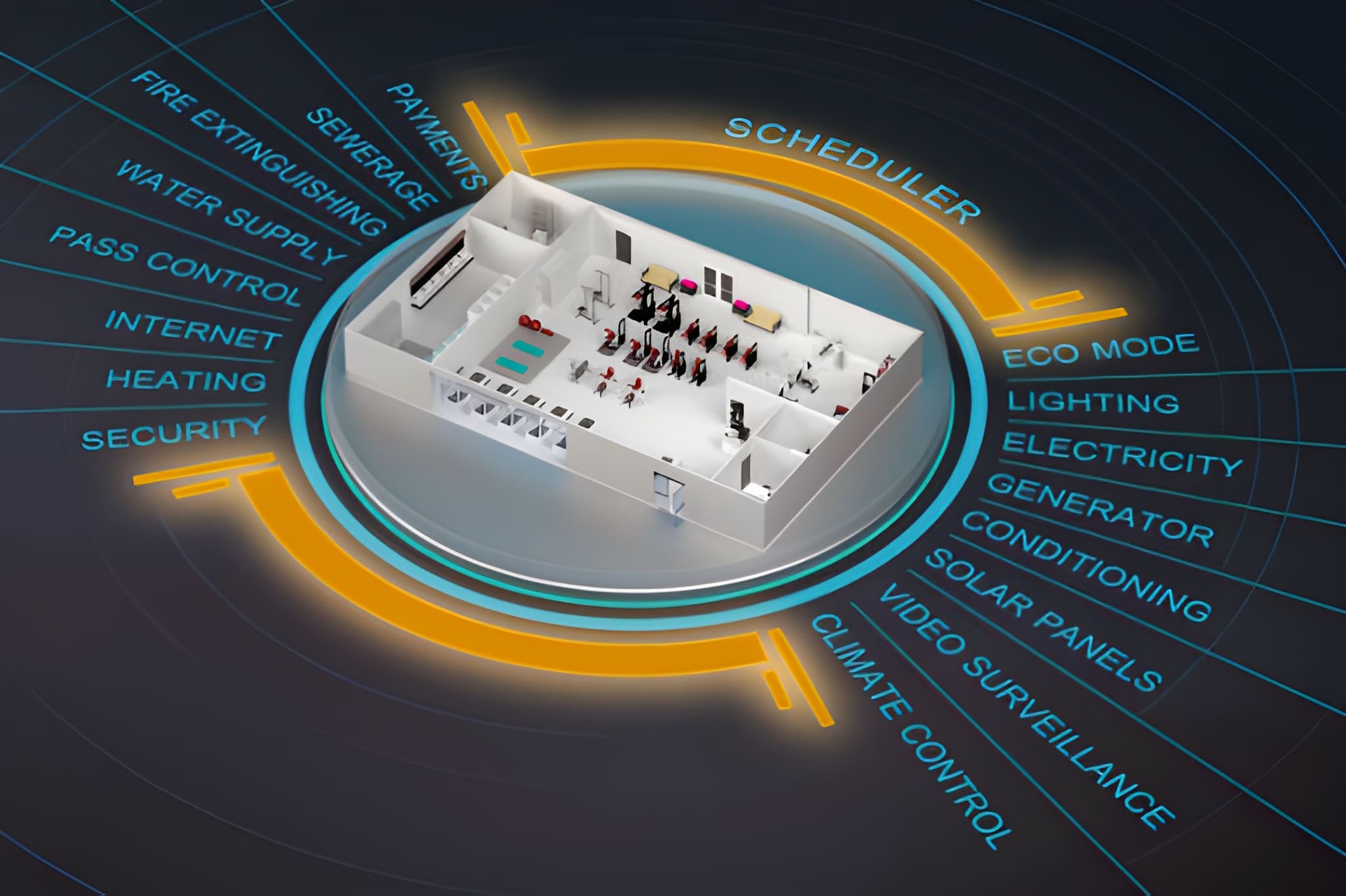
The concept of scalable lighting control is rooted in the need for both flexibility and future-proofing within residential and commercial spaces. Modern buildings require adaptable systems that can evolve with changing needs and technologies. Lutron’s RadioRA 3 exemplifies this ethos, offering a wireless lighting control system designed for growth, integration, and seamless operation across a range of environments. At its core, scalability means the system should serve the present while being capable of expanding without replacing foundational components.
A major advantage of the RadioRA 3 system lies in its wireless architecture. Unlike legacy lighting control systems that rely on fixed wiring infrastructure, RadioRA 3 leverages Lutron’s Clear Connect Type X RF technology, enabling devices to communicate reliably across large distances. This wireless backbone significantly lowers the barrier to entry, allowing installations to begin modestly, then gradually scale to encompass entire estates or office complexes. This flexibility ensures the system suits various budgets and project phases, from initial remodeling to full-scale new construction.
Moreover, the RadioRA 3 system doesn’t require integrators or homeowners to commit to a final form on day one. Instead, it provides a foundation that supports phased implementation, which is particularly useful for multi-phase developments. Installers can begin with key living areas, for instance, and add devices for other rooms as priorities or budgets evolve. With that foresight in design, scalability becomes a strategic advantage rather than a constraint.
Lutron has engineered the RadioRA 3 system to support growth through smart architecture and thoughtful software design. One of its most notable features is the RA 3 Processor, which allows centralized control of all connected devices via the Lutron App. The processor supports up to 200 devices, which is more than sufficient for most residential or light commercial applications, making it a robust brain for scalable lighting control projects. With support for scenes, schedules, and remote access, the processor becomes a powerful tool as projects grow in complexity.
Additionally, the system’s compatibility with third-party platforms such as Amazon Alexa, Google Assistant, Apple HomeKit, and Ring gives homeowners more freedom when integrating lighting with broader smart home ecosystems. As needs evolve, be it adding occupancy sensors, daylight harvesting, or voice control, the RadioRA 3 system seamlessly incorporates those capabilities without disrupting the existing setup. This ensures that every new component feels native to the system, not bolted on as an afterthought.
RadioRA 3 also supports a wide range of dimmers, keypads, occupancy sensors, and thermostats, which allows designers and installers to customize control interfaces to meet user expectations. Whether the system is being expanded to cover a guest house, garden lighting, or a home theater setup, the availability of specialized components ensures that the expanded system remains consistent in both form and function. This design harmony is essential to maintaining user satisfaction as the system scales.
When approaching a scalable lighting control project, starting with a detailed needs assessment is essential. Identifying which spaces require immediate control and which can be integrated later helps determine the initial system layout. With RadioRA 3, installers can implement foundational infrastructure like the processor and main repeaters early on, while leaving space in the control software for future device additions. This ensures continuity in programming and avoids redundancy in labor.
Designers should also consider how user behaviors might evolve. For example, a family might initially want lighting control in shared areas such as the kitchen and living room, but later expand it to bedrooms, bathrooms, and exterior lighting. Planning for that growth means leaving room in device limits, ensuring Wi-Fi strength and RF propagation throughout the property, and setting expectations with homeowners about the advantages of a phased approach. This strategy also makes budgeting more manageable, allowing homeowners to experience benefits upfront without committing to a full build-out.
The Lutron ecosystem aligns well with this phased planning approach, offering flexible options for future expansion. To support this process, lighting suppliers like BuyRite Electric offer homeowners and contractors access to a wide range of lighting control products and planning tools, helping them make informed decisions. Their in-depth breakdown of RadioRA 3’s system features and integration potential offers valuable guidance for planning scalable lighting installations. Having access to such insights ensures that each phase of a project aligns with both current needs and future enhancements.
The Lutron App plays a pivotal role in managing RadioRA 3 scalability. Designed to provide user-friendly control across mobile devices, it allows users and integrators to view, edit, and expand the system from a single interface. As devices are added, the app makes it straightforward to assign them to rooms, create scenes, or adjust schedules. This ease of programming ensures that expansion doesn't become a laborious technical challenge, even for non-specialists.
The app also supports remote control and monitoring, making it easier to manage properties from anywhere. This is particularly useful for vacation homes, rental properties, or secondary dwellings, where the user might want to modify settings based on occupancy or changing schedules. As more homes include remote-access capabilities as standard, RadioRA 3 fits neatly into this broader trend toward connected living.
Furthermore, the app integrates seamlessly with Lutron’s cloud services, meaning that system backups, firmware updates, and diagnostic tools are always available. These features not only reduce maintenance complexity but also ensure that the lighting control system remains up-to-date and secure as it scales. The convenience of cloud management helps establish RadioRA 3 as a future-proof solution, supporting continuous evolution without sacrificing user experience.
A key value proposition of RadioRA 3 is its ability to create sophisticated lighting scenes that evolve with the user’s needs. From romantic dinner settings to energy-saving daytime modes, the system can tailor lighting conditions to enhance lifestyle, comfort, and energy efficiency. With scalability in mind, these scenes can be expanded or adapted as more rooms or devices are brought into the system. This adaptability makes the experience more personalized and useful over time.
Scenes are not just limited to lighting; RadioRA 3 also allows for integration with shades, temperature control, and occupancy sensing. For instance, a “Welcome Home” scene could be programmed to raise the foyer lights, adjust the thermostat, and open the entryway shades, all triggered by geofencing or a single button press. As homeowners add more components, these scenes become more dynamic, reinforcing the value of incremental system growth.
Installers can also use the Lutron Designer software to program scenes tailored to specific user preferences. The software enables granular control of fade times, keypad button assignments, and conditional logic, which empowers integrators to deliver premium solutions for high-end residential and boutique commercial projects. As the system scales, this depth of customization becomes even more critical to ensure that new devices integrate cleanly into existing user routines.
As with any wireless technology, reliability is critical when scaling a lighting control system. Lutron’s Clear Connect RF technology was developed to address common pitfalls such as signal interference and range limitations. For optimal performance, placement of the RA 3 Processor and main repeaters should be considered early in the design process, ideally in central locations free from signal-blocking materials like metal or concrete. This foundational planning ensures a strong RF network that can grow as more devices are added.
When expanding a system, it is important to maintain the signal strength across new areas. Installing auxiliary repeaters or ensuring that new devices remain within signal range of existing components can help avoid dead zones. Lutron’s diagnostic tools within the app and programming software can verify connectivity and highlight any weak points in the system. These tools provide peace of mind for both integrators and users as the system becomes more complex.
Power management is another key consideration. Since wireless devices rely on consistent voltage, ensuring that dimmers and keypads are installed with stable power sources helps maintain functionality. Additionally, using surge protection and quality wiring prevents long-term damage or unexpected failures. These practices are especially important in larger systems where a single point of failure can impact multiple devices and user experiences.
Lutron has committed to continuous improvement of the RadioRA 3 platform through firmware updates and ecosystem enhancements. These updates can include performance optimizations, bug fixes, and new features, all of which are delivered seamlessly through the cloud. This allows users to enjoy the latest innovations without needing to replace hardware, which supports long-term value and investment protection. Regular updates also help ensure compatibility with evolving third-party integrations.
The RadioRA 3 system also benefits from Lutron’s broad ecosystem development. As new devices are released, such as updated occupancy sensors, next-generation thermostats, or voice-enabled keypads, they can be integrated into existing installations with minimal configuration. This backward- and forward-compatible approach makes RadioRA 3 a smart choice for homeowners who want to avoid obsolescence.
Ultimately, planning a scalable lighting control system means choosing technology that grows without growing pains. With RadioRA 3, Lutron has created a platform that combines wireless flexibility, professional-grade reliability, and continuous innovation. By committing to best practices in planning, installation, and integration, homeowners and professionals alike can build systems that shine brighter with each phase of expansion.
Scalable lighting control is more than a trend; it’s a necessity in modern building design. Lutron’s RadioRA 3 exemplifies how a system can start small and grow in functionality, sophistication, and comfort. With the right planning, components, and partners, it’s possible to transform any space into a responsive, personalized environment that adapts to its users over time.
Whether you are designing a new home, upgrading an office, or simply enhancing a single room, RadioRA 3 offers an intelligent starting point. Its integration capabilities, flexible architecture, and long-term reliability make it a standout in a crowded marketplace. Importantly, it offers more than just convenience, it delivers an elevated lifestyle.
From early-stage layouts to full-home automation, planning with Lutron’s RadioRA 3 positions you to succeed now and in the future. As the demand for smarter living continues to rise, those who build with scalability in mind will find themselves well ahead of the curve.
 Supriyo Khan
 Supriyo Khan
 Supriyo Khan
 Supriyo Khan

Want to add a comment?