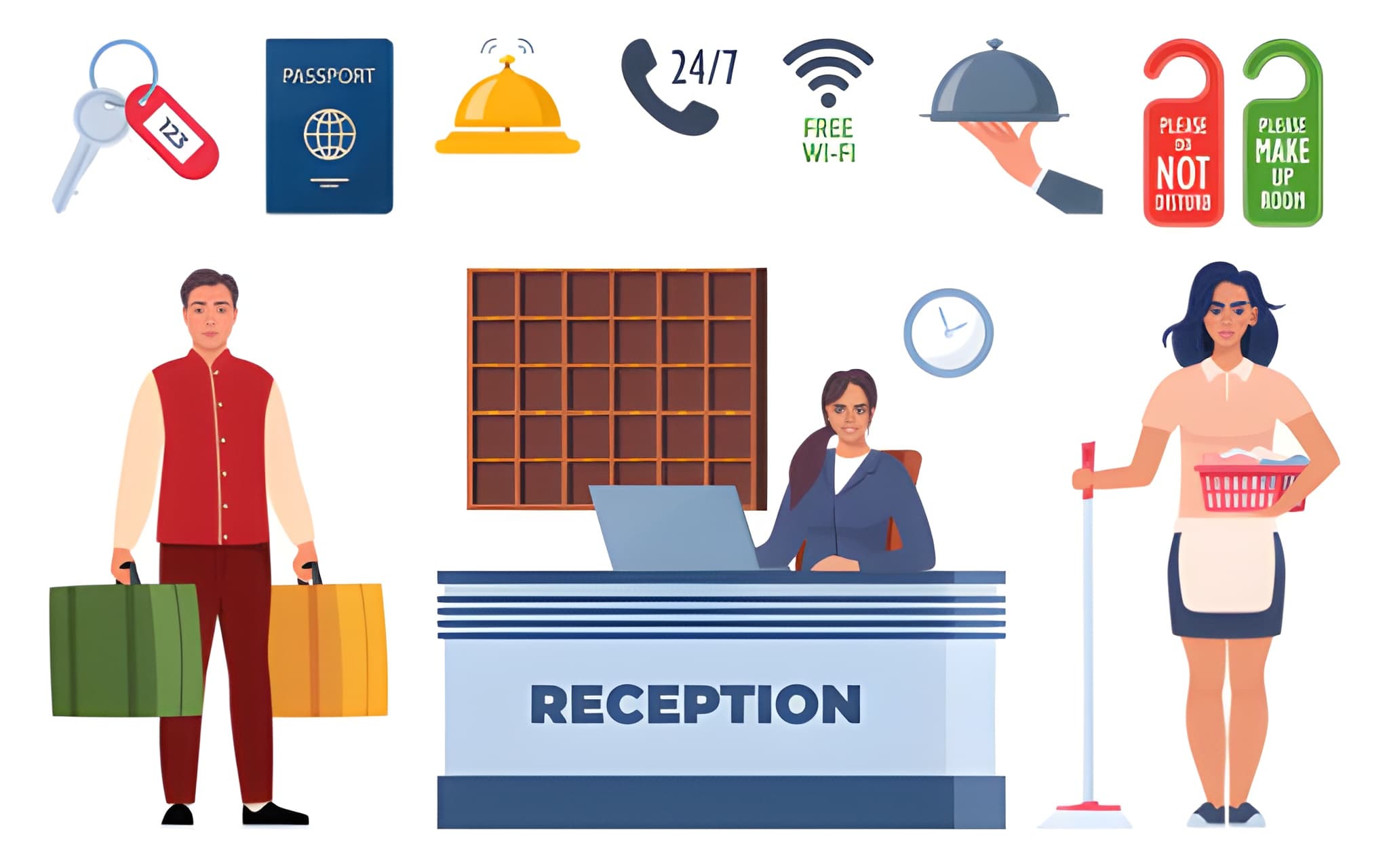
Personalization is rapidly becoming the cornerstone of modern hospitality, as hotels move beyond one-size-fits-all offerings toward truly tailored guest journeys. In an era where 74% of travelers say they prefer hotels that adapt to their personal preferences, hotels can no longer rely on vanilla service. As operational costs rise and guest loyalty becomes harder to earn, embracing data-driven, automated solutions is not just a luxury but a strategic necessity. Rising guest expectations are pushing hoteliers to adopt advanced technologies. Today, 61% of consumers are willing to pay more for personalized experiences. At the same time, many guests—67%, according to recent surveys—say they want relevant product or service recommendations during their stay. These demands are driving investments in AI, predictive analytics, and smart rooms. According to industry reports, AI-powered personalization can boost upsell revenue by 12%, as hotels make more relevant offers to guests. Beyond profitability, hotel personalization also strengthens loyalty. Studies show that 68% of travelers remain loyal to hotels that deliver standout tailored experiences. Moreover, 59% of hoteliers now use first-party guest data—and 81% of those report increased revenue as a result. This shift reflects a broader industry trend: hotels are consolidating guest data through CRM and CDP systems to deliver seamless, consistent personalization at every touchpoint. The next wave of innovation goes even deeper. Rather than simply reacting to past preferences, hotels are now focusing on behavioral insights, real-time decision-making, and frictionless digital engagement. In other words, the future of hospitality lies not just in knowing who the guest was, but anticipating who they will be—and adapting dynamically to make every stay feel theirs uniquely. Predictive intelligence is reshaping hospitality by allowing hotels to anticipate guest needs before they are spoken. With large volumes of behavioral data, stay patterns, and contextual signals, systems begin to recognize what each guest prefers and surface the right option at the right moment. This creates a level of personalization that feels natural and effortless because it happens before the guest even thinks to ask. Future applications will move far beyond simple recommendations. Hotels will be able to forecast preferred room settings based on time of day or past stays, suggest activities that match the guest’s mood and schedule, and fine-tune service timing to avoid interruptions. These predictions will rely on machine learning models that continuously refine themselves with every interaction, making each stay smoother and more tailored. The industry is shifting from reactive service toward proactive, fully data-driven guest journeys. Instead of waiting for a request, hotel systems will preconfigure comfort settings, prepare services in advance, and present options that feel personally curated. This transition sets a new service standard where predictive intelligence becomes a core part of how hotels deliver comfort, convenience, and memorable experiences. Hotels are beginning to integrate emotion recognition tools that can interpret a guest’s tone of voice, facial expressions, or the sentiment behind written messages. These systems help staff and digital assistants understand how a guest feels in real time, allowing responses that are more supportive, calm, or enthusiastic depending on the situation. This creates interactions that feel closer to natural human communication. Emotion AI will also influence how services are adjusted throughout the stay. When the system detects stress or frustration, it can change the communication style, simplify choices or alert staff to offer help. When it senses positive engagement, it can recommend content such as wellness activities, dining options, or entertainment that matches the guest’s emotional state. Early detection of dissatisfaction becomes easier because signs of irritation or confusion can trigger timely interventions before a small issue becomes a complaint. As guest expectations evolve, emotionally aware interactions are becoming an essential part of the hospitality experience. Hotels that understand not only what a guest prefers but also how a guest feels will be able to deliver more meaningful and responsive service. Emotion AI marks a shift toward experiences that acknowledge the emotional side of travel, creating stays that are smoother, more supportive, and more personal. Hotels are moving toward fully centralized guest data ecosystems where information from PMS, CRM, booking engines, on-site apps, and smart devices forms one continuously updated profile. This unified view allows the system to understand guest behavior, preferences, and stay history without fragmentation. Every interaction adds another layer of insight, creating a profile that becomes more accurate and more valuable over time. A single guest profile improves the consistency of personalization throughout the entire journey. Pre-stay communication can reflect known preferences, check-in can be faster and more tailored, and on-property experiences can feel seamless because every department works from the same information. After departure, marketing and loyalty outreach become more relevant since they draw on a complete understanding of how the guest interacted with the hotel before and during the stay. Custom software development companies such as COAX already support hotels in building these customized data ecosystems. Their work includes integrating platforms, connecting legacy systems, and designing architectures that allow guest information to flow securely and in real time. This expertise helps hotels move closer to a unified profile strategy that strengthens personalization and operational efficiency at every touchpoint. Intelligent room systems and digital twin models are set to redefine how hotels manage comfort, energy use, and maintenance. A digital twin gives the hotel a virtual representation of each room, allowing systems to predict when equipment needs attention, adjust energy consumption based on occupancy patterns and fine tune ambience settings before the guest arrives. Combined with smart sensors, rooms can automatically shape lighting, temperature, and sound to match each guest’s preferred environment. Automation will ease staff workload by handling routine tasks with greater accuracy. Systems can monitor air quality, detect anomalies, trigger preventive maintenance, and adjust settings without manual intervention. Front desk and service teams gain more time for complex or high-touch requests because automation covers the operational basics with speed and consistency. Personalization will evolve from simple preference matching to fully adaptive environments. Rooms will respond in real time to movement, mood, schedule, and context, creating spaces that adjust themselves throughout the stay. This shift moves hospitality toward a model where comfort is continuously optimized and shaped by automation, predictive understanding, and intelligent digital replicas of the hotel’s physical spaces. The future of hospitality will be defined by how well hotels combine data, prediction, and emotional understanding to shape every step of the guest journey. As systems become more intelligent and connected, hotels will move from static service models toward experiences that adjust themselves continuously, drawing on real-time insights and long-term guest knowledge. Predictive intelligence, unified profiles, emotion-aware interactions, and adaptive smart rooms represent only the early phase of a much larger transformation. Hotels that embrace these capabilities will be able to deliver comfort, relevance, and efficiency at a level that guests will soon expect as the norm.Predictive Intelligence Becomes the New Standard
Emotion AI and Hyper-Sensitive Experience Design
Unified Guest Profiles Across All Touchpoints
Automation, Digital Twins, and Next-Gen Smart Rooms
The Personalization Era is Only Beginning
 Supriyo Khan
 Supriyo Khan
 Supriyo Khan
 Supriyo Khan

Want to add a comment?