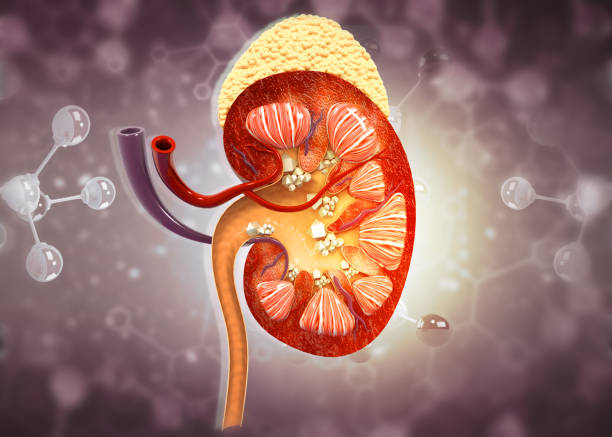
Kidney stones are one of the most painful and common urinary tract conditions that can affect people of all ages. These stones are hard minerals that can form inside your kidney. Although small stones may pass unnoticed, large ones can cause significant discomfort and health complications if not detected in time. It is important to recognise the early signs of a kidney stone to prevent further damage and seek timely medical attention. If you experience sudden pain in your abdomen, back, or changes in urination, it could be an early warning sign that you might need kidney stone treatment. In this blog, we will explore the first five signs of kidney stones that everyone should be aware of, from subtle discomfort to more serious symptoms that need immediate care.
5 Signs That Indicate Kidney Stone
Here are five signs that indicate kidney stones and require immediate care:
Sharp pain in the back, side, or lower abdomen
This is the most common and recognisable sign of a kidney stone. This intense pain is medically referred to as renal colic. The pain often starts suddenly and is described as sharp, cramping, and unbearable. It typically begins in the back or side below the ribs, moves towards the lower abdomen and groin as the stone moves through the urinary tract. If you experience such severe and shifting pain, it is essential to consult a healthcare professional immediately for evaluation and treatment.
Blood in the urine
Blood in the urine is another early sign of a kidney stone, which is also known as haematuria. As the stone moves through the urinary tract, it can irritate or scrape the delicate linings of the ureter or kidney, which leads to bleeding. Sometimes the blood may not be visible to the naked eye but can still be detected through urine tests. Even a small amount of blood in your urine is not normal and should never be ignored. While haematuria can have multiple causes, such as urinary tract infections or kidney disease, it's often one of the key indicators of kidney stones.
Frequent and painful urination
Another early warning sign of kidney stones is a sudden increase in the urge to urinate, which is often accompanied by pain or burning sensations. These symptoms occur when the stone is moved down into the lower urinary tract. In some cases, the presence of the stone can partially block the flow of urine, which leads to smaller volumes and a feeling of incomplete emptying. Early detection during this stage can prevent complete blockage of the urinary tract.
Nausea and vomiting
Nausea and vomiting are common reactions of the body to severe pain and internal obstruction. As the kidneys and digestive tract share nerve pathways, when the kidneys are under distress, the body can respond with gastrointestinal symptoms. This reaction is often the body's way of signalling distress from the inflammation. Persistent vomiting can lead to dehydration, which can worsen the situation and make it harder for small stones to pass naturally. If these symptoms accompany back pain or blood in urine, it's a strong sign that kidney stones may be the cause.
Cloudy, foul-smelling, or dark urine
A change in urine appearance and smell can also indicate kidney stones, especially if infection is present. As stones obstruct urine flow and cause internal irritation, bacteria can accumulate, which leads to infection and noticeable urine changes. Any significant change in color, odor, or consistency, especially when paired with other symptoms like pain or nausea, requires immediate medical evaluation.
Conclusion
Early diagnosis allows for easier management and helps prevent complications like infection or kidney damage. If you notice any of these symptoms, do not delay seeking professional guidance. Visit a trusted healthcare centre or hospital in Jebel Ali to receive a proper diagnosis and personalised care. Supriyo Khan
 Supriyo Khan
 Supriyo Khan
 Supriyo Khan

Want to add a comment?