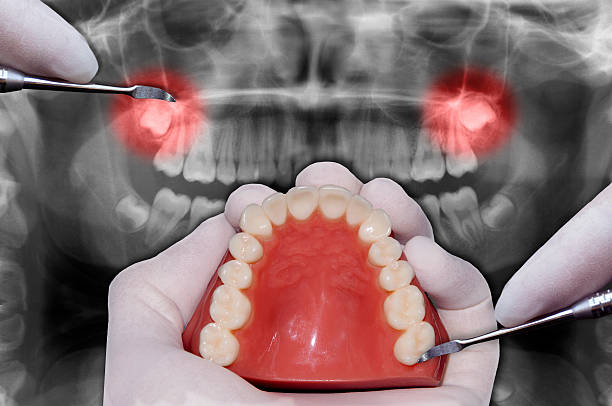
There are moments in life when a dull ache at the back of the mouth suddenly becomes impossible to ignore. For many, this signals the unwelcome arrival of wisdom teeth, and often, the tricky situation of dealing with one that is impacted. The thought of surgery is already stressful, but the question that lingers in most people’s minds is often about the cost.
In Singapore, dental procedures can understandably feel intimidating from a financial perspective because prices vary widely depending on what needs to be done. While basic extractions are one thing, impacted wisdom teeth tend to require more effort, time, and expertise. Naturally, this makes people wonder if removing them will end up costing more.
Understanding why costs differ and what actually goes into the procedure can ease some of that stress. By looking more closely at the reasons impacted wisdom teeth are more complicated and how costs are determined, individuals can feel more prepared when walking into a dental clinic.
When it comes to wisdom tooth removal, not every extraction is the same. Some wisdom teeth sit neatly above the gums and can be removed with a relatively straightforward procedure. Others, however, choose a much more complicated path, becoming impacted by bone, gum tissue, or even the angle in which they grow. These differences affect not only the complexity of the surgery, but also the amount a patient may have to pay.
An impacted wisdom tooth is one that fails to fully emerge, often because there isn’t enough space in the jaw. In some cases, the tooth stays partially trapped under gum tissue. In others, it remains completely blocked inside the bone. Because of this, dentists often cannot use simple extraction techniques. The procedure may involve cutting through gum tissue or even a portion of the bone to reach the tooth.
The additional surgical steps are what drive up the cost compared to a standard removal. What would take minutes with a simple pull can turn into a more delicate operation requiring special expertise and tools. From a patient’s perspective, it doesn’t just feel like a procedure—it feels like a surgical experience.
The length of time it takes to remove an impacted wisdom tooth also makes a difference. A simple extraction can be completed in a short appointment. By contrast, impacted teeth may require more careful planning, including X-rays, consultations, and longer chair time during the actual procedure.
This means additional resources are being used, from the dentist’s specialized skills to extended use of surgical tools. The more complex the situation, the more it tends to increase the total cost. Patients often find that the price reflects the extra effort and precision involved.
Another reason impacted wisdom teeth removal tends to cost more lies in recovery and risk management. Because the surgery is more invasive, patients may need stitches, antibiotics, or additional follow-up care to ensure proper healing. Clinics often factor in these aftercare considerations into their pricing.
While this can feel overwhelming, it is important to see the higher price as a reflection of the comprehensive support provided. A dentist will not only remove the tooth but also ensure the healing process is monitored closely, which ultimately protects the patient’s overall health.
Impaction is not the only reason removal costs vary. Several external elements often shape the total expense, and knowing what these are helps explain why different clinics provide different estimates.
Dentists with many years of surgical experience may charge higher fees, especially if they are skilled in handling complex cases. It can be tempting to look for the lowest price, but patients usually find reassurance in the hands of a professional who has handled hundreds of similar cases. The security of knowing the procedure will be completed safely and efficiently is often part of what people are really paying for.
The same goes for clinics that specialize in oral surgeries. These facilities are usually equipped with better tools and advanced imaging technology, which not only aids in precision but also adds to the overall cost. Still, many patients appreciate the peace of mind these settings provide.
Another significant factor is sedation. Some people prefer having their wisdom teeth removed under local anesthesia, while others may need sedation options to manage anxiety or discomfort. These choices affect the overall cost because of the additional medication, monitoring, and staff required.
The clinic environment also plays a part. Hospitals or specialized surgical centers often charge differently compared to private dental practices. Facilities that provide more comprehensive support, such as recovery rooms or emergency care on-site, generally reflect those services in the price. Patients are not just paying for the extraction but for the full experience of safety and comfort.
So, do impacted wisdom teeth really cost more to remove? The answer is usually yes, but with good reason. The process requires more surgical steps, extended time, and comprehensive aftercare. Beyond the nature of impaction, factors like the clinic’s expertise, sedation options, and available facilities also play a role in shaping the final bill.
For anyone considering this procedure, especially when looking into wisdom tooth removal cost in Singapore, it helps to think about value rather than just price. A slightly higher fee often comes with the assurance of specialized care, safer techniques, and better follow-up support.
At the end of the day, wisdom teeth removal is about long-term wellbeing. While the numbers may feel daunting at first, choosing skilled care and clinics that prioritize patient comfort ensures that the investment is worthwhile.
 Supriyo Khan
 Supriyo Khan
 Supriyo Khan
 Supriyo Khan
Want to add a comment?