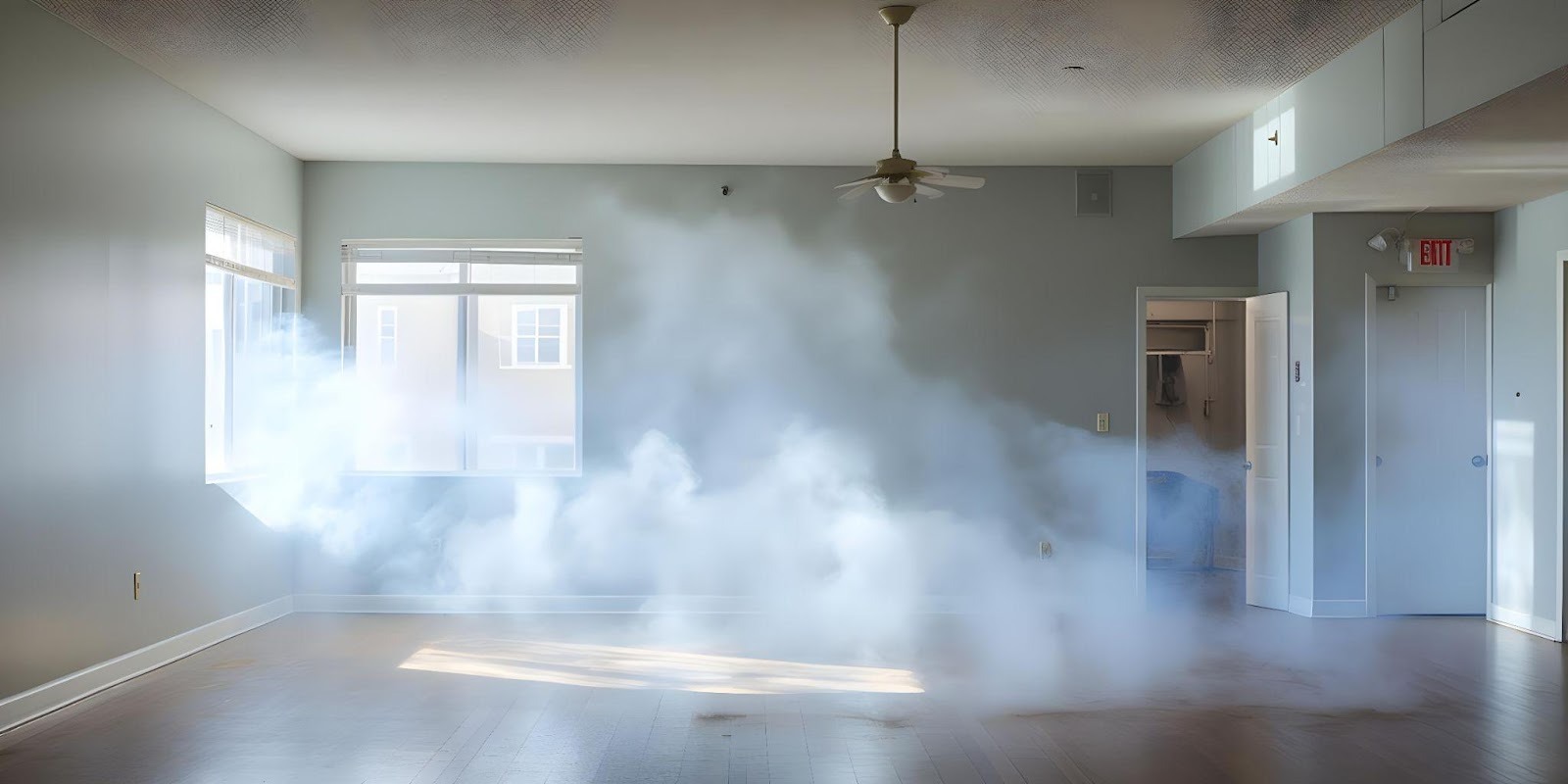
Carbon monoxide is often called a silent danger. It is a gas you cannot see, smell, or taste, yet it can cause serious harm if it builds up in your home. For renters, especially those in older or poorly maintained properties, carbon monoxide risks may be linked to how well a home is managed. If you suspect your health has been affected due to unsafe living conditions, contacting a carbon monoxide lawyer for unsafe rental property may help you explore your options.
Understanding the most common sources of carbon monoxide and learning how to prevent exposure can help protect you and your loved ones.
Mild exposure can cause headaches, dizziness, nausea, and fatigue. Higher levels can lead to confusion, chest pain, loss of consciousness, and even death. People who are asleep or intoxicated may not notice symptoms until it is too late.
Young children, older adults, and people with respiratory or heart conditions are especially at risk.
While carbon monoxide can be present in any home, there are specific appliances and conditions that increase the likelihood of exposure. These include:
Gas stoves and ovens
Furnaces and water heaters that use natural gas or oil
Fireplaces and wood-burning stoves
Portable generators used indoors or near windows
Blocked chimneys or flues
Running vehicles in attached garages
Most of these sources are safe when installed, maintained, and ventilated properly. The danger comes when equipment breaks, vents are blocked, or alarms are not working.
Renters often depend on landlords to maintain heating and ventilation systems, install carbon monoxide detectors, and address repairs. In some cases, landlords may neglect these responsibilities or fail to disclose risks.
For example, an older apartment may have outdated appliances or a broken exhaust fan. If the unit has no working carbon monoxide alarm, the tenant might not know there is a problem until they feel unwell. In colder months, renters may seal windows to stay warm, which can reduce air flow and increase the danger of gas buildup.
Some states, including California, require carbon monoxide detectors in all rental properties. Landlords are responsible for installing and maintaining them in working condition. If they fail to do so and someone is harmed, legal consequences may follow.
Whether you own or rent your home, there are several simple steps you can take to reduce the risk of carbon monoxide exposure.
Install carbon monoxide alarms. Place them on every level of your home and near sleeping areas. Test the batteries monthly.
Have your heating system inspected. Furnaces, boilers, and chimneys should be checked by professionals once a year.
Never use gas stoves for heat. These appliances are not designed to warm rooms and may produce unsafe levels of carbon monoxide.
Keep ventilation clear. Do not block vents, flues, or fresh air intakes. Make sure portable heaters or generators are used only in well-ventilated outdoor areas.
Do not run vehicles inside garages. Even with the door open, gas can collect quickly and enter the home.
Know the symptoms. If multiple people in your home feel sick at the same time, or feel better when outside, consider carbon monoxide as a possible cause.
These actions can help you stay alert and safe, especially during the colder months when heating appliances are in use more often.
If you believe carbon monoxide is present in your home, leave the building immediately and seek fresh air. Call emergency services and report the situation. Do not return until a professional confirms it is safe.
Once you are safe, consider the source of the problem. If you rent, notify your landlord right away in writing. Keep records of all communication, along with any medical visits or symptoms.
If your landlord fails to take appropriate action or if you were harmed due to neglect, it may be time to speak with a legal professional. Tenants have the right to safe and habitable housing, and that includes protection from carbon monoxide exposure.
When landlords ignore safety laws or delay important repairs, tenants may suffer serious health consequences. A lawyer with experience in housing safety issues can help you:
Understand your legal rights as a tenant
Communicate clearly with property managers or landlords
Gather medical records and inspection reports
Seek compensation if the exposure caused harm
Legal support is not only about money. It is about making sure unsafe conditions are addressed and that future tenants are not put at risk.
Carbon monoxide poisoning is both serious and preventable. With proper knowledge, working alarms, and responsible maintenance, you can reduce the chance of exposure. For renters, this means staying informed, asking questions, and taking action when something feels wrong.
If you believe your home may be unsafe, speak up. Your health matters, and you have the right to live in an environment that supports your well-being. Whether you are a tenant or a homeowner, safety starts with awareness and continues through action.
 Supriyo Khan
 Supriyo Khan
 Supriyo Khan
 Supriyo Khan

Want to add a comment?