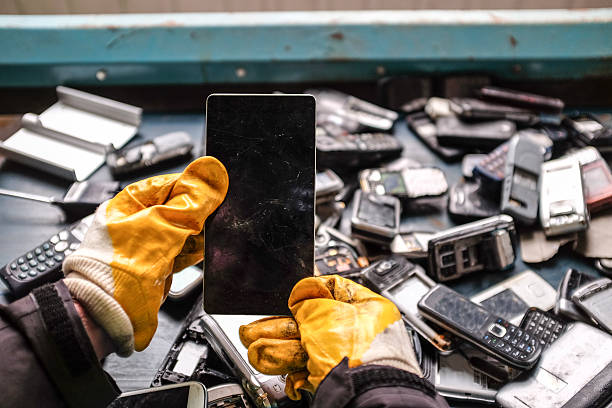
Cell phone recycling has become one of the most important environmental actions individuals and communities can take in a world increasingly driven by mobile technology. With billions of smartphones produced and replaced every year, cell phone recycling plays a critical role in reducing electronic waste, conserving valuable resources, and protecting the planet from unnecessary pollution. As people upgrade devices more frequently, understanding the importance of cell phone recycling is no longer optional but essential.
Cell phone recycling is directly tied to the growing issue of electronic waste, often referred to as e-waste. Mobile phones contain plastics, glass, and rare metals that do not break down naturally when discarded in landfills. When cell phone recycling is ignored, these materials can leach harmful substances into soil and water systems, creating long-term environmental damage. The sheer volume of discarded devices makes cell phone recycling one of the most effective ways to slow the expansion of global e-waste.
Cell phone recycling significantly reduces the need for mining raw materials such as cobalt, lithium, gold, and copper. Mining operations are energy-intensive and often destructive to ecosystems. Through proper cell phone recycling, these valuable materials can be recovered and reused, lowering carbon emissions and minimizing habitat destruction. Recycling mobile phones also prevents toxic components from entering landfills, making cell phone recycling a key part of environmental protection efforts.
Many people underestimate the value of outdated devices, but cell phone recycling unlocks materials that are surprisingly valuable. A single smartphone contains trace amounts of precious metals that, when recovered through large-scale cell phone recycling programs, can be reused in new electronics. This process supports a circular economy where materials are continuously repurposed instead of discarded. Cell phone recycling therefore contributes not only to sustainability but also to economic efficiency.
The process of cell phone recycling begins with collection and sorting. Devices are assessed to determine whether they can be refurbished or must be dismantled. Functional phones may be restored and resold, extending their lifespan through cell phone recycling programs. Non-functional phones are broken down into components, allowing metals, plastics, and glass to be separated and processed. Each step of cell phone recycling is designed to maximize material recovery while minimizing waste.
One concern that often prevents people from participating in cell phone recycling is data security. Modern cell phone recycling practices address this by ensuring all personal data is permanently erased before devices are reused or dismantled. Professional recycling services follow strict protocols to protect privacy, making cell phone recycling a safe and responsible choice for consumers and businesses alike.
Cell phone recycling starts with individual action. Keeping unused phones stored in drawers delays the recycling process and increases demand for new materials. When consumers actively choose cell phone recycling, they help reduce production pressure on manufacturers and encourage more sustainable design practices. Awareness and participation are crucial, as widespread cell phone recycling can dramatically reduce environmental impact over time.
Organizations also play a significant role in cell phone recycling, especially those that regularly upgrade employee devices. Corporate cell phone recycling programs help businesses meet sustainability goals while ensuring secure disposal of company data. By adopting structured cell phone recycling policies, companies demonstrate environmental responsibility and contribute to broader waste reduction efforts.
The concept of a circular economy depends heavily on effective cell phone recycling. Instead of a linear cycle of production, use, and disposal, cell phone recycling enables materials to re-enter the manufacturing process. This approach reduces waste, lowers energy consumption, and supports long-term sustainability. Cell phone recycling is one of the most accessible ways individuals can participate in a circular economy without changing daily habits.
Despite its benefits, cell phone recycling is often misunderstood. Some believe that recycling phones has little impact, while others assume the process is inconvenient. In reality, cell phone recycling has measurable environmental benefits and is easier than ever. Many programs accept devices regardless of condition, reinforcing the idea that cell phone recycling is both practical and impactful.
As technology continues to evolve, cell phone recycling will become even more important. Manufacturers are beginning to design devices with recyclability in mind, making future cell phone recycling efforts more efficient. Innovations in material recovery and refurbishment will further strengthen the impact of cell phone recycling on global sustainability goals.
Incorporating cell phone recycling into everyday life requires a shift in mindset. Viewing old phones as recyclable resources rather than useless clutter encourages responsible disposal. When cell phone recycling becomes a habit, it creates a ripple effect that benefits the environment, the economy, and future generations.
Cell phone recycling is more than a trend; it is a necessary response to the growing demand for mobile technology. By choosing cell phone recycling, individuals and organizations can reduce waste, conserve resources, and contribute to a cleaner planet. The simple act of recycling a mobile phone has far-reaching effects, making cell phone recycling one of the most impactful environmental choices available today.
 Supriyo Khan
 Supriyo Khan
 Supriyo Khan
 Supriyo Khan

Want to add a comment?