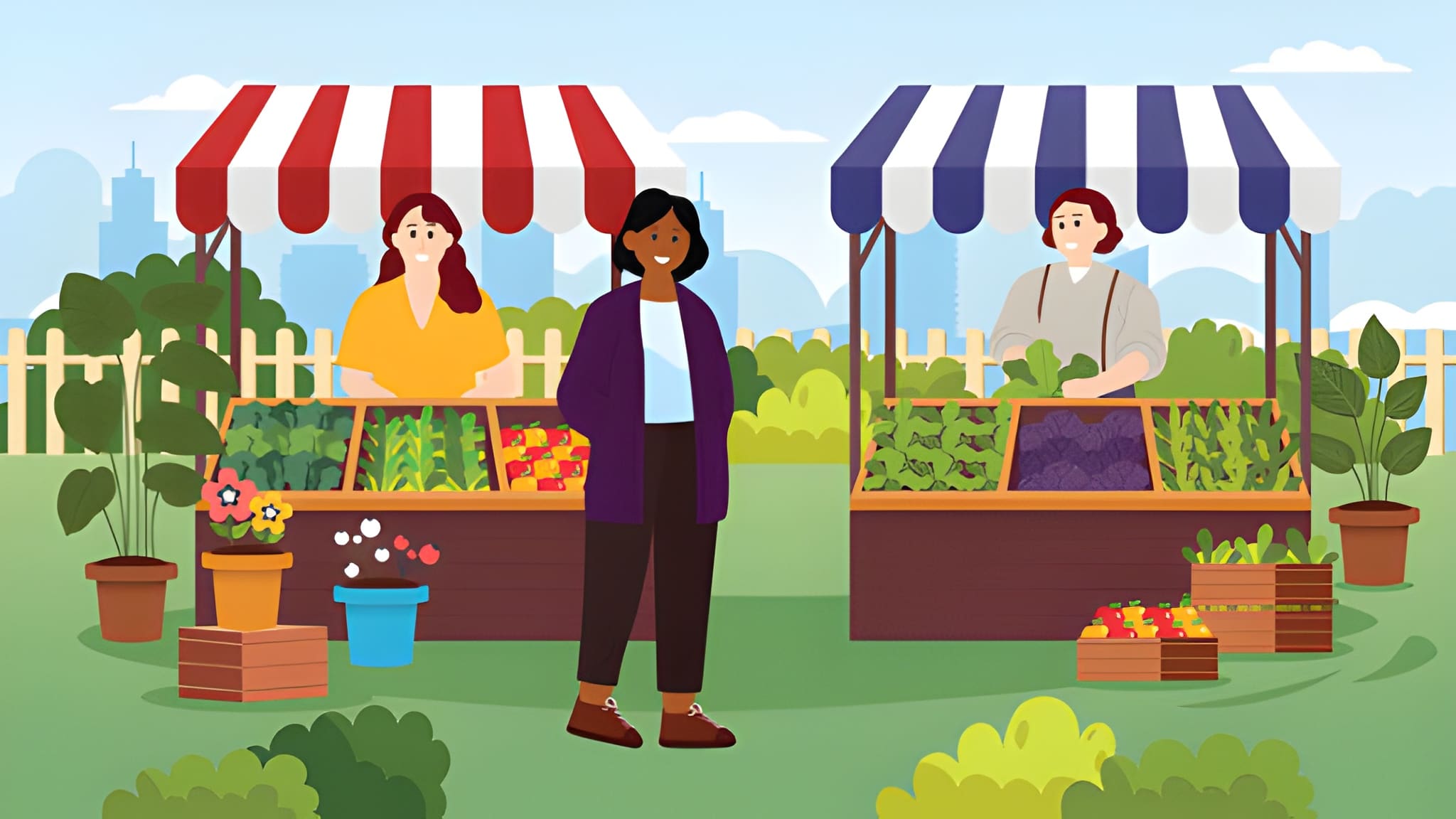
Ever wonder why that little organic market down the street feels so different from your typical grocery run? There's something almost magical happening there, and it goes way beyond just buying tomatoes and quinoa.
The truth is, these local organic markets are quietly becoming the heartbeat of healthier communities. Not just in terms of what we eat, but how we connect, support each other, and build something meaningful together.
More Than Just Shopping
Picture this: you're at your neighborhood organic market, and suddenly you're chatting with the farmer who grew your carrots. The person next to you mentions they tried an amazing recipe with those same carrots last week. Before you know it, you've got three new recipe ideas and maybe even a new friend.
That's the thing about local organic markets. They create these little pockets of connection that big box stores just can't replicate. When you shop at places focused on quality, local produce, you're not just grabbing food and running. You're participating in something bigger.
The Ripple Effect of Eating Better
Here's where it gets interesting. When communities have access to fresh, organic food, everything starts to shift. Kids grow up knowing what real food tastes like. Families start cooking together more often. People feel better, have more energy, and guess what? They start caring more about their neighbors and their environment too.
Local organic markets make this accessible in ways that feel natural and sustainable. They're not preaching about healthy eating. they're just making it easier to choose better food, and the benefits kind of snowball from there.
Supporting Local Means Supporting Each Other
The other day, someone mentioned how their local organic market stayed open during tough times when chain stores were closing left and right. Turns out, that's pretty common. These businesses are woven into the fabric of their communities in ways that create real stability.
When you support local organic markets, your money stays in the community. It supports local farmers, creates jobs for your neighbors, and helps build an economy that actually serves the people who live there. Companies like Wholefood Merchants understand this connection between good food and strong communities, working to make organic options more accessible to everyone.
Building Food Education That Sticks
Local organic markets don't just sell food. they become informal education centers. Staff members who actually know where the produce comes from can answer questions about seasonal eating, storage tips, and which varieties taste best. This kind of knowledge sharing creates more informed consumers and, honestly, better cooks.
Kids who grow up around these markets develop a completely different relationship with food. They see vegetables as something that grows, not just something that appears in plastic packaging. That understanding shapes how they think about nutrition, the environment, and their role in the food system.
Creating Spaces for Real Connection
These markets become gathering spots in ways that feel organic and unforced. Community bulletin boards, local event announcements, impromptu conversations about gardening tips. all of this happens naturally when people slow down enough to actually engage with their food choices.
The social benefits are pretty remarkable when you think about it. In a world where we're increasingly isolated, these markets create reasons for people to interact face-to-face, share knowledge, and build relationships based on shared values around health and community wellbeing.
The Long Game
Supporting local organic markets isn't just about feeling good in the moment. It's about building the kind of community infrastructure that makes places more livable, more connected, and more resilient over time.
When communities prioritize access to good food and create spaces where people can connect around shared values, they're investing in their own future. Healthier people, stronger local economies, better environmental practices. it all starts with something as simple as where you choose to buy your groceries.
Next time you're deciding where to shop, remember that your choice ripples out in ways you might not even see. Sometimes the smallest actions create the biggest changes.
 Supriyo Khan
 Supriyo Khan
 Supriyo Khan
 Supriyo Khan

Want to add a comment?