Table of Contents
Academic Achievement
Social and Emotional Growth
Development of Life Skills
Enhanced Discipline and Responsibility
Improved Behavioral Outcomes
Preparation for Future Careers
Role of After-School Programs
Conclusion
Structured education is a cornerstone in fostering the growth and success of young people. In today’s complex world, young adults face countless distractions and uncertainties that can undermine their confidence and jeopardize their academic and social growth. Creating a stable, organized learning environment not only supports cognitive development but also nurtures crucial social and emotional development. Structured education emphasizes routines, expectations, and responsibility, laying a solid foundation for young individuals to grow. For families seeking highly disciplined, consistent learning environments, military boarding schools offer both academic rigor and structure. The consistent routines present in structured educational models help young individuals develop vital competencies that serve them throughout their personal and professional lives, including persistence, adaptability, and teamwork.
High-quality, organized learning environments extend beyond academic content by fostering positive relationships, conflict-resolution skills, and resilience in students. These settings promote peer interaction, emotional confidence, and essential life skills, while providing mentorship that is crucial for transitions such as moving to secondary school or college. They cultivate discipline and responsible behavior necessary for modern challenges, supporting self-reflection, leadership, and ethical development through group activities and service projects. This article discusses the significant benefits of structured education for youth development, drawing on research and expert insights to emphasize its critical role in shaping individuals' lives.
Academic Achievement
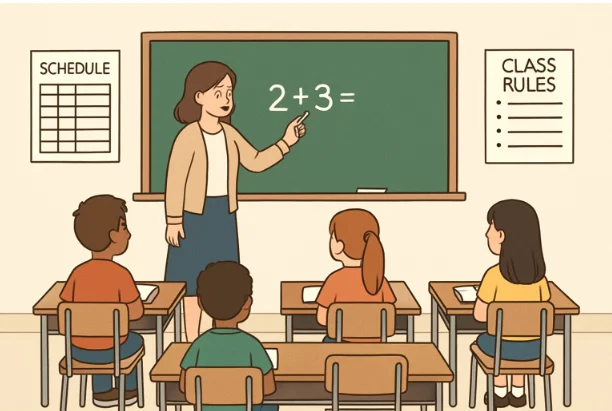
Consistent educational routines within structured environments directly contribute to higher academic performance among youth. These settings establish clear expectations, standardized curricula, and regular assessments, which together create a reliable roadmap for students, enabling them to set achievable learning goals and pursue them with focus. Research has demonstrated that students enrolled in well-organized environments earn higher grades and outperform peers on standardized tests. According to Education Week, well-managed classrooms contribute significantly to increased academic success by minimizing disruptions and maximizing instructional time. In addition, structure allows teachers to implement differentiated instruction strategies, ensuring that every student’s learning style is appropriately addressed and leading to greater academic engagement and more meaningful learning experiences.
Social and Emotional Growth
Structured educational settings play a crucial role in social and emotional development. Within these frameworks, positive peer and adult interactions are actively encouraged, enabling youth to learn critical skills such as empathy, effective communication, and teamwork. In classrooms that are safe and predictable, students feel comfortable taking risks, expressing themselves, and exploring their identities. Opportunities for cooperative learning foster a sense of belonging and emotional intelligence, attributes consistently linked to better mental health outcomes and interpersonal success in later life. Additionally, structured environments often incorporate social-emotional learning (SEL) curricula, which equip students with strategies to manage stress, set healthy boundaries, and resolve conflicts productively, further supporting emotional well-being far beyond their school years.
Development of Life Skills
Another significant benefit of structured education is the emphasis on practical life skills. Within a predictable framework, students engage in activities that require them to manage their time, set short- and long-term goals, and make informed decisions. These experiences nurture a sense of responsibility, self-motivation, and autonomy. Many programs include real-world experiences such as project-based learning, community service, and extracurricular engagement, all of which translate academic concepts into practical scenarios. Such involvement helps youth apply classroom knowledge to authentic challenges, fostering problem-solving abilities and strengthening their capacity to meet real-life challenges with confidence and competence. As students learn to balance their obligations across academics, activities, and home life, they develop a toolkit of strategies to overcome obstacles and prioritize their responsibilities.
Enhanced Discipline and Responsibility
The expectations and routines found in structured learning environments instill a strong sense of discipline and responsibility. Regular deadlines, structured schedules, and accountability systems teach students the importance of honoring commitments, managing their time efficiently, and maintaining self-control even under stress. These skills not only support success in school but also carry over into higher education, the workplace, and daily life. Students who develop discipline and responsibility often emerge as leaders among their peers, capable of making sound judgments and confidently assuming greater responsibilities. Over time, they show greater resilience when confronted with setbacks or failures, recognizing these moments as opportunities for growth rather than insurmountable obstacles.
Improved Behavioral Outcomes
Participation in structured programs has been linked to reduced behavioral issues and a smoother transition through educational stages. Organized schedules and consistent rules create an environment where students feel secure in knowing what is expected of them. Expectations are clearly communicated, and students receive constructive feedback, which contributes to positive behavioral choices. As a result, they are more likely to exhibit emotional stability, resilience, and the ability to handle conflict constructively.
Preparation for Future Careers
Structured educational experiences prepare youth for the demands of the future workforce. By promoting perseverance, motivation, and self-esteem, these environments nurture foundational employability skills that employers highly value, such as critical thinking, collaboration, and adaptability. Exposure to diverse tasks and challenges enables students to identify their talents and preferences, which can inform their career choices and academic pathways. Students who complete structured programs gain a distinct advantage in pursuing higher education and securing meaningful employment, as evidenced by Brookings Institution findings. These students understand the importance of punctuality, team dynamics, and long-term goal setting, which are key attributes for career success in virtually any field.
Role of After-School Programs
After-school programs are an essential complement to regular instruction, offering additional opportunities for academic enrichment and social development. These programs provide safe, supportive environments for students to complete homework, engage in creative activities, pursue unique interests outside the core curriculum, and build meaningful relationships with both peers and adult mentors. After-school structures often result in improved academic performance, greater self-esteem, and a reduced likelihood of risky behaviors such as substance abuse or chronic absenteeism. Participants frequently show greater classroom engagement and are more likely to develop a positive outlook on their educational experience overall.
Conclusion
Structured education is instrumental in producing well-rounded, capable, and resilient young adults. The combination of organized academics, robust social-emotional support, life skills training, and enriched after-school experiences equips youth with the tools necessary to thrive academically and personally, laying a firm foundation for lifelong success in an ever-evolving world. Parents, educators, and community organizations alike play a critical role in supporting and sustaining these environments, ensuring that the next generation is ready to face future challenges with both confidence and competence.
 Supriyo Khan
 Supriyo Khan
 Supriyo Khan
 Supriyo Khan

Want to add a comment?