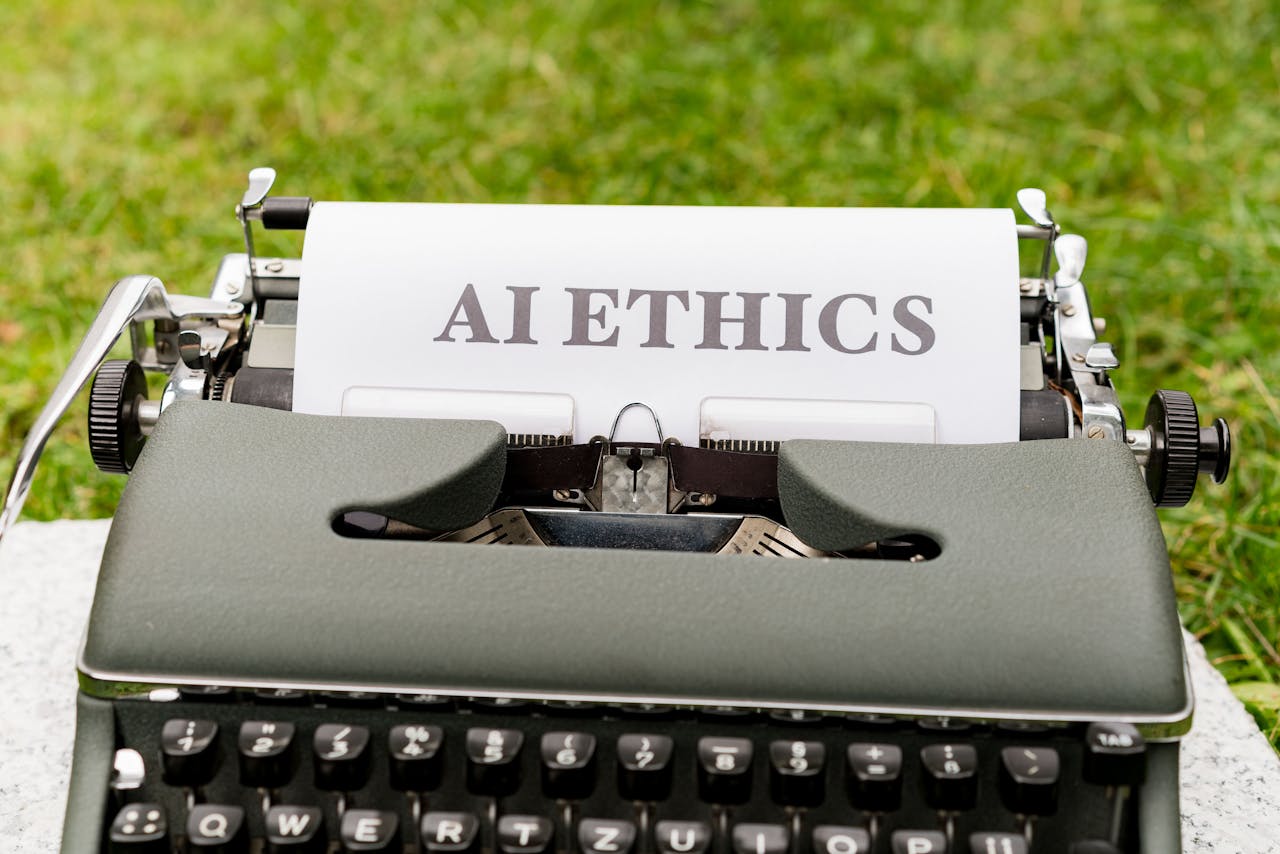
AI writing tools are now a part of modern education. From brainstorming essay ideas to improving grammar and punctuation, the tools are shaping the students' writing as well as how professors assess their writing. But as adoption grows, the debate of whether AI writing tools are a support or a shortcut grows alongside. The answer isn’t binary.
Like most technologies, AI writing tools can either enhance learning or undermine it, depending on how they’re used, taught, and evaluated. This article explores what AI writing tools are, how they’re used in education, their benefits and risks, and how students and educators can use them responsibly in 2026 and beyond.
What Are AI Writing Tools?
AI writing tools have become increasingly popular as they make it easier for users to produce quality written content. AI writing tools enable authors to use AI's power to build upon their creativity by generating, improving, and enhancing the quality of their work.
In educational contexts, AI writing tools are commonly used to:
• Generating an outline or ideas
• Improving the grammar, clarity, and tone of written works
• Summarizing large volumes of text into smaller pieces
• Rewriting sentences using different words and/or phrasing
• Providing support to non-native English speakers.
When used properly, these tools can serve as writing aids and not as a substitute for the writer's own thought processes or learning process.
Why AI Writing Tools Are Gaining Popularity in Education
Several factors have accelerated AI adoption in schools and universities:
• Increased academic workload and time pressure
• Growth of online and hybrid learning
• Greater emphasis on digital literacy
• Accessibility benefits for students with learning differences
• Improved AI quality and ease of use
For many students, AI writing tools feel like a natural extension of spellcheckers, grammar tools, and digital research aids they already use.
Early Concerns: Originality, Integrity, and Authorship
As AI continues to improve its functionality and usefulness in the educational environment, educators have expressed concern about the authenticity and originality of student writing produced through an AI tool. The question of whether an AI-generated document submitted by a student demonstrates their learning needs needs to be addressed.
As a result, the Educational Community has begun implementing the use of AI Writing Detection Tools and Plagiarism Detection Tools to identify the amount of reliance students place upon AI-generated writing, initiate dialogue surrounding ethical writing practices, ensure that original authors receive credit for their work and no one else, and create equity in assessment.
By combining the two types of technology together, they provide educators with a clearer understanding of how a student generated the content they submitted, and whether that content meets the criteria for academic integrity. In fact, it is not a presumption that a student's actions constitute academic dishonesty.
How Students Are Using AI Writing Tools Today?
The two methods that the community can best identify whether students are using AI tools as a supplement or shortcut are based on their behaviours.
Common Student Use Cases
• Brainstorming essay topics
• Developing thesis statements
• Restructuring unclear sentences
• Checking for grammar and punctuation errors.
• Summarising readings
Many of these uses mirror those similar to traditional forms of help in education, e.g., tutoring and writing centres.
Riskier Use Cases
• Generating full essays with minimal editing
• Submitting AI output as original work
• Avoiding engagement with the writing process
The difference lies not in the tool, but in intent and depth of use.
How Educators View AI Writing in 2026
By 2026, many educators have moved away from outright bans. Instead, institutions are adopting AI-aware teaching models, which include:
• Clear AI usage guidelines
• Transparent disclosure expectations
• Process-based assessment
• Draft and reflection requirements
This shift recognises that AI writing tools are not going away, and that education must adapt rather than resist.
Best AI Writing Tools for School Papers (2026 Perspective)
When discussing the best AI writing tools for school papers in 2026, quality is no longer just about output; it’s about how well a tool supports learning.
High-value AI writing tools typically:
• Encourage revision rather than replacement
• Offer explanations, not just corrections
• Support clarity and structure
• Avoid fully automated “essay writing” claims
Educators increasingly recommend tools that assist writing skills, not bypass them. How to Use AI Writing Tools Responsibly?
Knowing how to use AI writing tools ethically is essential for students.
Responsible Use Guidelines
• Use AI to generate ideas, not to get the answers
• When creating your own content, put it in your own words and add your personal touch and experience
• Use what you receive from an AI in the same way you would use feedback from a colleague; use it to help you improve your work, not as a definitive answer • Let others know when you used AI to develop your idea
• The best way to use AI is to consider the AI as a partner in developing ideas to learn from, rather than replacing you.
When AI is treated as a collaborator rather than a substitute, it becomes a learning asset.
AI Writing as a Learning Aid, Not a Crutch
One of the strongest arguments for AI writing tools is accessibility. Students with:
• Dyslexia
• ADHD
• Language barriers
• Speech or processing difficulties
often benefit from AI assistance that helps them express ideas more clearly. In these cases, AI writing tools support equity and inclusion, not shortcuts.
The challenge is ensuring that support does not replace skill development.
The Role of AI Detection and Plagiarism Checking in Education
Modern academic integrity frameworks increasingly use AI detectors alongside plagiarism checkers to create a balanced review process.
Rather than asking, “Did a student cheat?”, educators now ask:
• How much AI assistance was used?
• Was original thinking involved?
• Are sources properly cited?
• Does the work align with learning outcomes?
This shift reduces fear and focuses on growth.
Are AI Writing Tools Making Students Worse Writers?
Research and classroom experience suggest the answer depends on instruction, not technology.
When students:
• Reflect on AI suggestions
• Revise thoughtfully
• Compare AI output to their own drafts
They often improve faster than peers without feedback support.
When students rely entirely on AI, skill development stagnates.
Teaching AI Literacy Alongside Writing Skills
Forward-thinking institutions now teach:
• What AI writing tools can and cannot do
• When AI assistance is appropriate
• How to verify originality
• Why critical thinking still matters
AI literacy is becoming as essential as digital literacy once was.
The Future of AI Writing in Education
Looking ahead, AI writing tools will likely:
• Become more integrated into learning platforms
• Offer more personalised feedback
• Align with curriculum goals
• Work alongside assessment systems
At the same time, detection, originality checks, and ethical guidelines will evolve to ensure trust remains central to education.
Support System or Shortcut? The Real Answer
So, are AI writing tools in education a support system or a shortcut? They are both, depending on how they are used.
• Used thoughtfully, AI writing tools support learning, accessibility, and confidence.
• Used carelessly, they shortcut growth and undermine education.
The responsibility does not rest on students alone. Educators, institutions, and technology providers all play a role in shaping ethical, productive use.
Final Thoughts
AI writing tools are not the end of writing education; they are a new chapter in it. When paired with clear expectations, originality checks, and skill-focused teaching, they can strengthen learning rather than weaken it.
The future of education is not about choosing between AI and human writing but rather teaching students how to incorporate technology into their writing process without losing the integrity and individuality of their writing.
Quick FAQ
What are AI writing tools?
They are writing tools that are powered by the application of artificial intelligence to help authors with writing/editing/idea generation.
Are AI writing tools allowed in school?
Yes, in many cases, limited use of AI writing tools will be permitted by educational institutions if rules have been established on how to utilize them (providing transparency).
Can AI writing be detected?
Yes, it is possible to detect AI-generated writing with AI digital static detectors; however, the probability of success is not total.
Should students avoid AI writing tools completely?
No, responsible use of AI writing tools in the classroom can support students' learning when they are used with instructor guidance and supervision.
 Supriyo Khan
 Supriyo Khan
 Supriyo Khan
 Supriyo Khan

Want to add a comment?