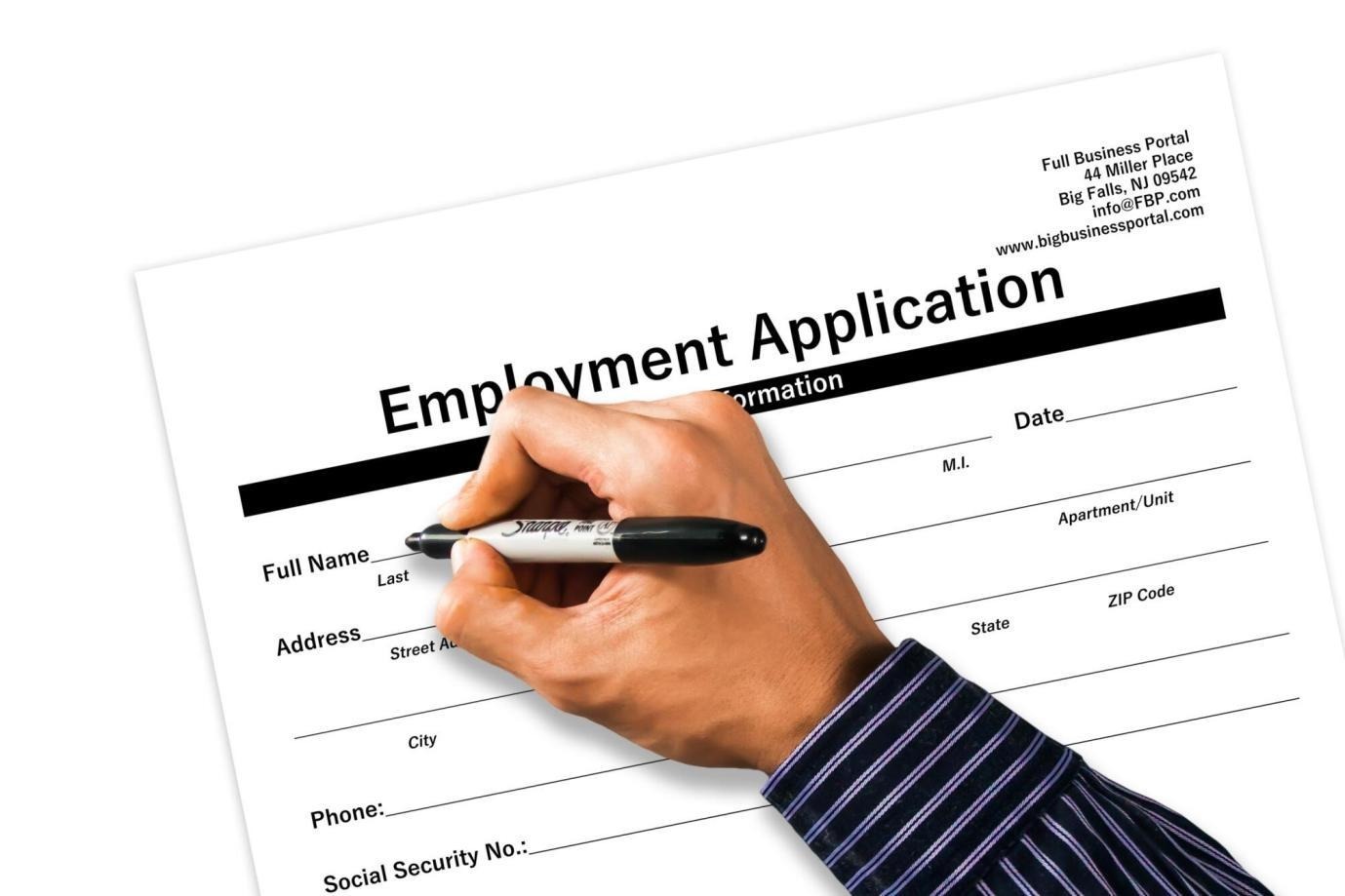
Employment rights are there to make sure workplaces are fair, safe, and respectful. They include things like proper pay, reasonable working hours, safe working conditions, protection from discrimination, and fair treatment when issues come up.
Although laws and workplace policies set these rights, many problems at work do not happen because someone is trying to do the wrong thing. Most issues start because of poor communication. This can include unclear instructions, mixed messages, or not talking about concerns early enough.
This guide shows how clear and open communication helps employees understand their rights. Read on.
Employment rights include the right to receive fair pay, work in a safe environment, have reasonable working hours, take rest periods, and be protected from discrimination or harassment. They also include the right to fair procedures when facing discipline or termination. These rights are set out in:
labor laws
collective agreements
workplace policies
However, simply having rules in place is not enough. Employees and employers must clearly understand how these rights apply to everyday work situations.
Clear and regular communication helps turn written rules into real practice. When employers explain rights during onboarding, include them in employee handbooks, and discuss them openly, employees are more likely to notice problems early and raise concerns.
At the same time, employers can fix issues before they grow into serious conflicts or legal disputes. Check out the employment contract attorney in Toronto to learn more.
Communication is how employment rights are put into action. Policies that are unclear or poorly explained can easily be misunderstood or ignored. Employees may hesitate to ask questions if they feel unsure or afraid, and managers may accidentally break rules if expectations are not clear.
Better communication prevents misunderstandings by clearly explaining:
roles
duties
limits
It builds trust so employees feel safe speaking up. It also supports legal compliance by making rules easier to understand and follow, and it reduces conflict by encouraging early and informal problem-solving.
Clear communication plays a direct role in protecting employment rights in everyday work situations. The following key areas show how open, honest, and consistent communication helps prevent problems and supports fairness in the workplace.
Good communication should begin before a person is hired. Job advertisements should clearly describe job duties, working hours, pay range, and the type of employment being offered. Once hired, onboarding should include simple explanations of:
pay systems
work schedules
overtime rules
leave benefits
health and safety procedures
When this information is clear from the start, employees know what to expect and are less likely to feel confused or misled. Employees also play a role at this stage. Asking questions early helps confirm understanding and prevents problems later on.
Pay and working hours are common sources of disagreement in the workplace. Clear communication about how wages are calculated, how overtime works, and when pay is issued is essential.
Employers should provide written policies and clear payslips. This is while employees should review them and speak up if something does not seem correct.
Open conversations about workload and schedules can also prevent excessive working hours. This helps protect employee well-being and ensures that labor standards are followed.
Employees have the right to work in a safe and healthy environment. However, safety rules only work when they are explained clearly and repeated regularly.
Employers should explain safety procedures in simple terms and encourage workers to report hazards without fear of punishment. Providing different ways to report concerns makes it easier for employees to speak up.
Employees should communicate safety concerns as soon as they notice them, take part in training, and follow safety guidelines. When both sides communicate openly, safety becomes a shared responsibility rather than a source of blame.
Disciplinary issues often feel unfair when employees are not told what is expected of them. Regular feedback, clear performance goals, and simple evaluation standards help prevent confusion. When problems arise, private and respectful discussions focused on improvement are more effective than sudden or harsh discipline.
Employees should be clearly informed about the reasons for decisions and the steps they can take to respond or appeal. Clear communication protects both fairness and trust in these situations.
Rights related to equality and dignity require especially clear communication. Employers must clearly explain what behavior is unacceptable, state that discrimination and harassment will not be tolerated, and show employees how to report concerns. Training should use clear language and practical examples so everyone understands.
Employees should know exactly where and how to raise complaints and feel confident that their concerns will be handled fairly and confidentially. When communication is weak or unclear, problems are more likely to continue without being addressed.
Employers should use plain language and avoid unnecessary legal terms when explaining policies. Consistent messages across teams help prevent confusion, especially when managers are trained to communicate the same standards. Important conversations should be followed by written summaries so expectations are clear.
Employers should also encourage questions by creating safe spaces, such as meetings or open-door policies. Training managers in communication skills and basic employment law helps ensure messages are delivered clearly and correctly.
Employees should understand the basics of their contracts and workplace policies and take note of anything that seems unclear. Asking questions early can prevent small issues from becoming serious problems.
Keeping records such as payslips, emails, and written instructions can be helpful if concerns arise. Employees should use proper workplace channels to raise issues and aim to communicate calmly and respectfully, as clear and factual discussions are usually the most effective.
Technology can support better communication by making information easier to access. Employee portals, messaging systems, and HR platforms can store policies, payslips, and updates in one place.
However, technology should support, not replace, face-to-face or direct conversations. Written information is useful, but real understanding often comes from open discussion.
Employment rights work best in workplaces where communication is clear, open, and respectful. Laws and policies provide structure, but communication brings them to life. When employers explain expectations clearly, and employees feel confident speaking up, problems can be resolved early and fairly.
Better communication is not just about following the law. It is a practical way to build trust, reduce conflict, and create a healthier and more productive workplace for everyone.
If you want to read more articles, visit our blog.
 Supriyo Khan
 Supriyo Khan
 Supriyo Khan
 Supriyo Khan

Want to add a comment?