Your home's siding does more than make it look good from the street. It's your first line of defense against the elements, protecting everything from your insulation to your wall studs. But here's the thing, water damage often starts working its way behind old siding long before you notice anything's wrong from the outside.
If your siding has seen better days, it's worth knowing what to look for. Catching water damage early can save you thousands in repairs down the road.
Warping or Buckling Siding
When siding starts to warp, buckle, or pull away from your house, water has likely been seeping in for a while. This happens because:
If you run your hand along your siding and feel waves or bumps that weren't there before, that's your home telling you something's not right.
Soft Spots When You Press
Here's a simple test: gently press on your siding in different spots, especially near the bottom and around windows. If it feels soft or spongy instead of firm, moisture has compromised the material. This is especially common with wood siding, but it can happen with other materials too when water damages the backing or sheathing behind them.
Discoloration and Staining
Water leaves a trail. Look for:
These stains don't just appear out of nowhere. They're telling you water is finding its way where it shouldn't be.
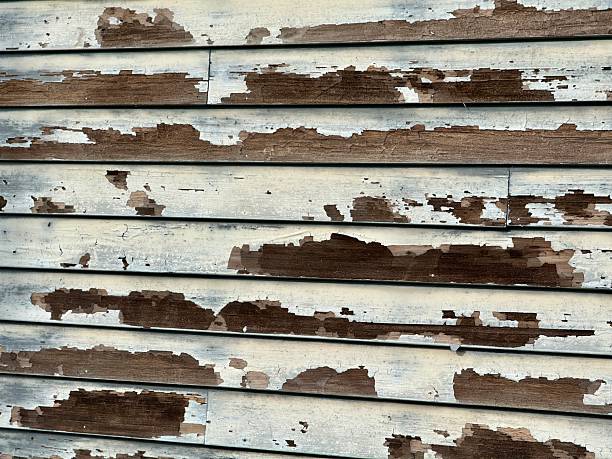
Peeling Paint or Bubbling
Paint is supposed to protect your siding, but when moisture seeps beneath it, the paint loses its grip. You'll notice bubbles forming or paint flaking off in sheets. This is particularly concerning because once the paint barrier is compromised, water damage can accelerate rapidly.
Mold or Mildew Smell
Sometimes your nose knows before your eyes do. If you catch a musty, earthy smell near your exterior walls, especially in your basement or lower-level rooms, water has been hanging around too long. This is when most homeowners realize they need to call a professional. A qualified siding contractor can remove a section of your siding to assess the damage behind it and determine if you're dealing with surface issues or something that's penetrated deeper into your home's structure.
Higher Energy Bills
This one surprises people, but it makes sense when you think about it. When water damages the insulation behind your siding, your HVAC system has to work harder to maintain your home's temperature. If your energy bills have crept up without explanation, hidden water damage could be the culprit.
Interior Wall Damage
By the time water damage shows up inside your home, it's been a problem outside for a while. Watch for:
The tricky thing about water damage behind siding is that it's progressive. What starts as a small leak can turn into rotted sheathing, compromised structural supports, and expensive repairs. If you've noticed any of these signs, it's worth having someone take a closer look. Your siding might look fine from ten feet away, but up close, the story could be completely different.
 Supriyo Khan
 Supriyo Khan
 Supriyo Khan
 Supriyo Khan

Want to add a comment?