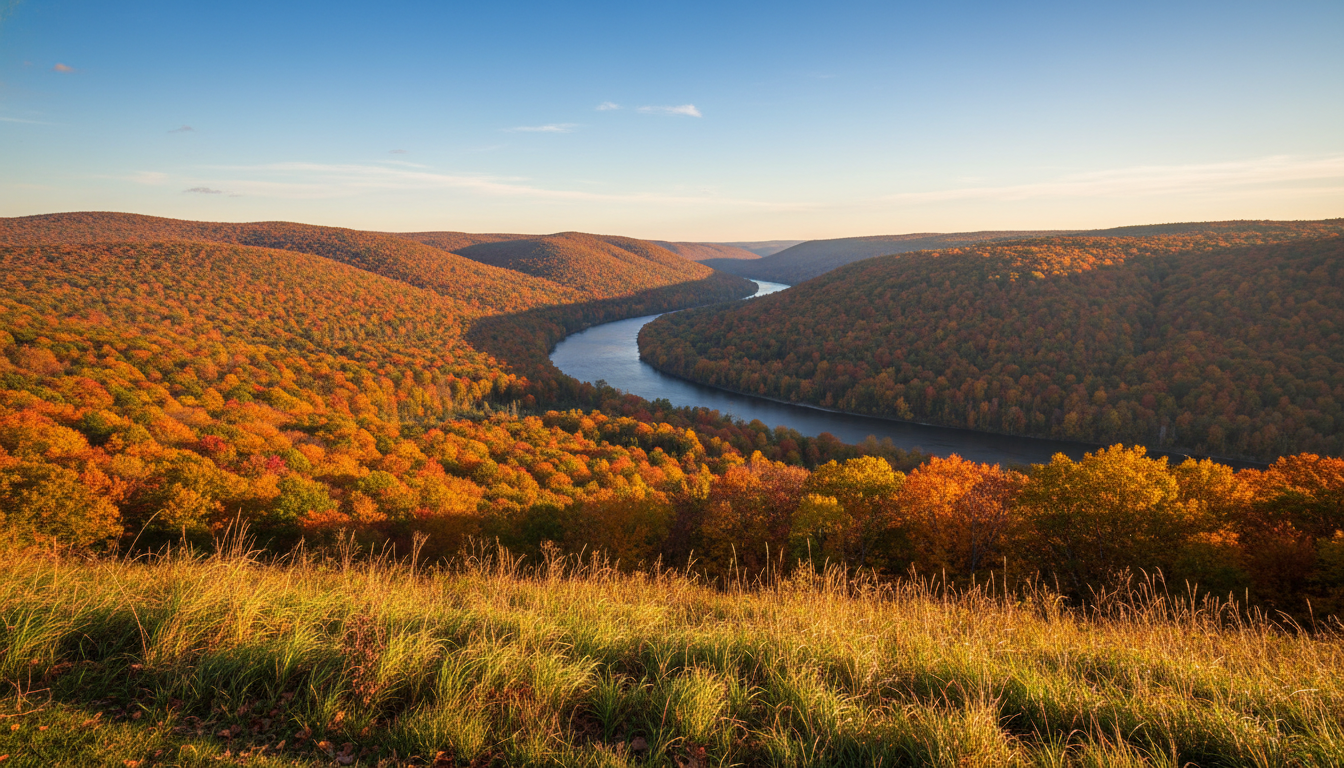
Upstate New York has quietly evolved from a summer escape into a destination people return to in every season.
The Catskills, Hudson Valley, Finger Lakes, and Adirondacks all draw steady streams of visitors looking for something different from city life. That consistent demand has created a real opportunity for homeowners in the region.
The appeal is not limited to any one season.
Summer brings hikers, kayakers, and foliage-watchers. Fall transforms the landscape into something people plan months in advance to see. Winter draws skiers toward Hunter Mountain and Windham. Spring brings wine tours through the Finger Lakes and long drives through budding orchards in the Hudson Valley.
This year-round draw has changed the short-term rental market significantly.
Guests searching for upstate getaways are not looking for chain hotels. They want character, comfort, and a sense of place.
Farmhouses with modern kitchens. Lakefront cabins with fire pits. Arts-district apartments in Hudson or Woodstock. The more a property feels rooted in its surroundings, the more it tends to attract repeat visitors.
Short-term rental platforms have made it easier than ever to connect travelers with these kinds of spaces. But not all properties perform equally on them.
Owning property in a sought-after area is one thing. Running a rental business from that property is another.
Pricing correctly across seasons, handling guest inquiries, coordinating cleaning crews, managing maintenance requests, and staying current on local regulations all take time and expertise. Many homeowners underestimate this side of things until they are already deep into a busy booking calendar.
For property owners weighing their options, listing a vacation home in upstate NY through a professional management company can make the difference between a property that earns consistently and one that quietly drains time and energy.
Before committing to any path, it helps to ask a few straightforward questions.
What is the peak season in your specific area? How close are you to hiking trails, ski resorts, or cultural attractions? What kind of guests are you hoping to attract, and how does your property fit that profile?
Answers to those questions shape everything from furnishing choices to how you price weekends versus weekdays. Local property managers who know the upstate market tend to provide free assessments before any formal agreement, which is a reasonable place to start.
Upstate New York is not slowing down. If anything, interest from urban travelers continues to grow, and inventory of truly well-managed properties has not kept pace with demand.
For homeowners sitting on properties in desirable areas, the question is less about whether there is demand and more about how to handle it well and sustainably.
 Supriyo Khan
 Supriyo Khan
 Supriyo Khan
 Supriyo Khan

Want to add a comment?