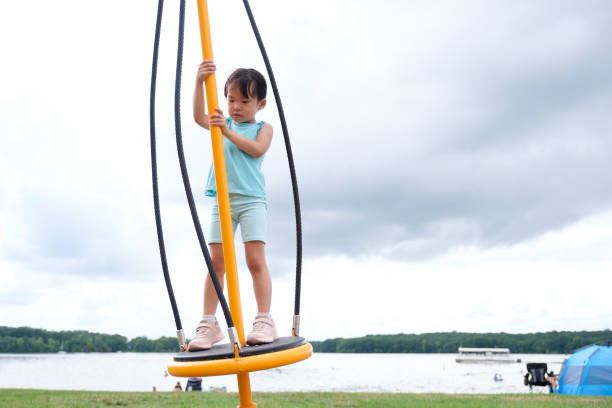
There's something primal about flying through the air while gripping a handle—kids line up for flying fox rides like nothing else on the playground. Shopping for flying fox playground equipment online opens up options you won't find at local retailers, from basic backyard ziplines to elaborate commercial systems with multiple stations and specialized seating. The appeal is universal across ages—toddlers want the sensation of speed, older kids crave the adrenaline, and even teenagers who've outgrown traditional playground equipment still make exceptions for flying foxes. The physics of ziplines creates an experience that feels dangerous while being relatively safe when properly installed. Weight, momentum, angle of descent, and cable tension all interact to create that thrilling swoosh through space. Understanding what makes flying fox equipment both exciting and safe helps parents and playground planners choose systems that'll see years of heavy use without becoming liability nightmares.
Cable Length and Slope Requirements
Flying fox fun depends heavily on cable length and angle. Shorter runs—say 15-20 feet—work for young kids but don't generate enough speed to thrill older children. Longer runs of 40-80 feet create better momentum and more sustained flight time. The sweet spot for backyard installations is typically 30-40 feet, which provides good speed without requiring massive yard space.
Slope angle dramatically affects ride speed and excitement. A 2-3 degree downward slope creates gentle rides suitable for younger kids. Increasing to 5-7 degrees ramps up speed significantly—this is where you get the real flying sensation. Beyond 8-10 degrees becomes too fast for most residential applications and requires commercial-grade braking systems.
You can calculate approximate rider speed using the cable's vertical drop. For every 10 feet of vertical drop, expect speeds around 12-15 mph at the bottom with a 150-pound rider. Lighter kids go slightly slower, heavier riders faster. This matters when planning braking zones and impact surfaces at the endpoint.
Understanding Weight Ratings and Cable Specifications
Not all flying fox cables are created equal. Commercial systems use galvanized steel cable rated for 2,000+ pounds—far exceeding any reasonable load but providing massive safety margins. Residential systems often use lower-rated cables around 500-800 pounds, which is adequate for single riders but won't handle teens doubling up.
Cable diameter affects ride quality. Thicker cables—3/8 inch or larger—provide smoother rides with less bounce and sway. Thinner cables work but create more oscillation, especially with heavier riders. The trade-off is that thicker cables require beefier mounting hardware and are harder to tension properly.
Trolley weight capacity needs separate consideration from cable rating. Some trolleys max out at 220 pounds while others handle 300+. If you're buying online, verify both cable and trolley specifications match your intended user weight range. Systems marketed for commercial use typically have higher ratings than residential models.
Mounting Systems and Structural Requirements
Flying fox equipment needs serious anchor points. We're not talking about screwing hooks into fence posts—these systems generate significant tension and impact forces. Trees can work if they're mature hardwoods at least 12 inches in diameter, but you need proper tree-mounting hardware that doesn't damage the tree or create failure points.
Posts require concrete footings going below frost line—typically 3-4 feet deep depending on climate. The posts themselves should be 6x6 or larger pressure-treated lumber or steel poles rated for the tension forces. Corner posts especially need diagonal bracing or guy-wires to resist pulling forces that can exceed 500 pounds when the cable is properly tensioned.
Height differences between start and end points matter for both function and safety. The starting platform should be high enough that riders' feet don't drag on the ground mid-run. Generally you want at least 5-6 feet of clearance at the lowest point of cable sag. The endpoint can be lower than the start but shouldn't be so low that riders crash into the ground instead of braking properly.
Braking Systems and Safety Considerations
How riders stop matters enormously for safety and reusability. Spring-based braking systems absorb impact gradually, slowing riders smoothly over several feet. These work great for higher-speed runs but require more space at the endpoint. Cheaper systems use solid stops—basically padding that riders slam into—which works but creates more jarring impacts.
Return systems let kids ride back to the start, eliminating the need to walk back. These use bungee or spring mechanisms that store energy from the initial descent and provide a gentler return ride. Kids love these because they essentially get two rides per turn. The downside is more complex installation and higher costs—return systems typically add 200-400 dollars to basic flying fox setups.
Landing zones need impact-absorbing surfaces just like other playground equipment. Engineered wood fiber, rubber mulch, or rubber tiles under the entire run path and especially at the endpoint prevent injury if riders fall off or dismount improperly. A 6-foot radius around the cable path should be clear of obstacles and covered with safety surfacing.
Seat Options and Accessibility Features
Handle grips are classic but exclude kids without adequate hand strength. Seat options expand accessibility dramatically. Disc seats let kids sit securely while holding side handles. Bucket seats work even better for younger children or kids with mobility challenges—they can ride without needing to support their own weight entirely.
Some online retailers offer adaptive seating specifically designed for wheelchair users or children with disabilities. These seats provide full support with harness systems while still delivering the flying fox experience. Commercial playgrounds increasingly include these options to meet accessibility requirements.
Seat material affects durability and comfort. Molded plastic holds up better than rope or fabric in weather exposure. Rubber coating on handles prevents hand slippage and feels better than bare metal. These details matter for equipment that'll see daily use across multiple seasons.
Online Shopping Considerations and Installation
Buying flying fox equipment online requires careful measurement and verification. Measure your available space accurately—both horizontal distance and vertical height at start and end points. Account for required clearances—typically 8-10 feet of clearance around the entire cable run to prevent riders from hitting objects.
Check what's included in online purchases. Some kits include everything—cable, trolley, handles, mounting hardware, tensioning equipment, and installation instructions. Others just sell the cable and trolley, requiring separate purchase of mounting hardware. Read descriptions carefully to avoid missing critical components.
Installation difficulty varies widely. Basic systems can go up in a weekend with standard tools. More complex commercial-grade systems might require professional installation, especially for proper cable tensioning and anchor point construction. Many online sellers offer installation videos or phone support—prioritize retailers who provide this assistance.
 Supriyo Khan
 Supriyo Khan
 Supriyo Khan
 Supriyo Khan

Want to add a comment?