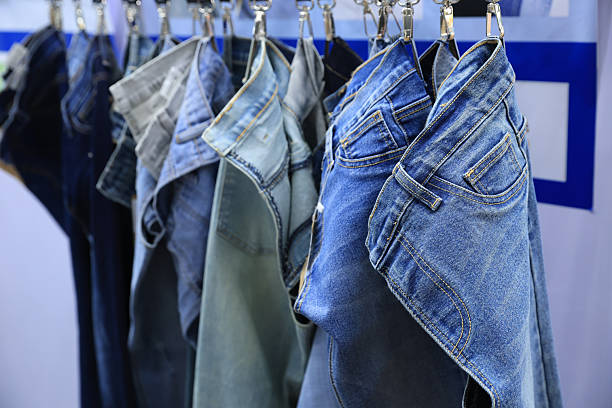
Driven by shifting consumer expectations, sustainability demands, and quicker fashion cycles, the worldwide denim market is still changing swiftly. Selecting a dependable jeans manufacturer is no longer merely finding the lowest manufacturing price in 2026. It is about collaborating with a producer that offers ethical production, constant quality, and long-term scalability. The appropriate manufacturing partner for fashion companies, private labels, and merchants can have a direct impact on product performance, brand reputation, and profit.
Knowing what to look for in a jean maker enables companies to make educated sourcing choices and circumvent expensive manufacturing problems.
Today's consumers demand more from denim manufacturers. Durability, honest sourcing, and transparency are no longer discretionary. More and more, brands are questioned about the origin and method of manufacture of their jeans. Manufacturers, therefore, have to show ethical labor practices, traceable supply chains, and constant product quality. A dependable jeans maker in 2026 matches its production methods with these increasing expectations.
Modern denim manufacturing depends much on technology. Reduced errors and enhanced efficiency come from sophisticated pattern-making programs, automated cutting, and AI-assisted production planning. Manufacturers who use these technologies provide faster sampling, improved fit accuracy, and more consistent delivery dates, major benefits in a cutthroat market.
Not every clothing factory can make premium jeans. Making denim calls for a particular understanding of heavy textiles, enhanced stitching, and wash treatments. An experienced jeans maker knows denim construction methods, including chain stitching, bartacking, and sturdy seam finishes, thereby guaranteeing that items survive repeated wear and washing.
A dependable producer should be able to make a great variety of jeans styles, including slim, straight, relaxed, wide-leg, cargo, and many more. Customization choices, including fabric weight, stretching levels, washes, distressed, and trims, enable businesses to produce distinctive collections while upholding constant quality.
Fabric quality influences how well jeans fit, their feel, and their longevity directly. Trusted jeans makers provide a range of denim choices, including stretch mixes, selvedge, organic cotton, and recycled fabrics, as well as rigid denim. Uniform weight and structure guaranteed by consistent GSM (grams per square meter) throughout manufacturing runs is essential for fit stability.
Reputable manufacturers test textiles for tensile strength, colorfastness, and shrinkage. Material transparency, clearly stating fabric composition and origin, helps brands meet labeling requirements and sustainability claims while avoiding compliance issues.
Reliable jeans makers do numerous-stage quality inspections during manufacturing. Inspections during cutting, stitching, washing, and finishing enable early detection of problems. Fit checks, measurement verification, and final garment inspections guarantee that every item satisfies authorized criteria.
Manufacturers who meet globally known standards like ISO certifications show systematic quality management systems. Further evidence of a maker's dependability and professionalism comes from adherence to brand-specific quality standards and customer audits.
Conventional denim manufacturing uses significant quantities of chemicals and water. Responsible jeans companies would use low-water dyeing, ozone washing, and laser finishing in 2026. These techniques preserve wash consistency and visual appeal while minimizing environmental impact.
One of the most important selection criteria is ethical manufacturing. Reliable producers offer honest pay, safe working conditions, and clear factory processes. Willingness to distribute audit reports and certificates fosters trust and strengthens long-term alliances.
Dependable jeans producers provide flexible minimum order amounts (MOQs) to meet established brands and startups as well. Handling tiny trial orders and scaling to bulk production guarantees steady expansion without replacing suppliers.
Constant lead times and reliable logistics planning are crucial. Manufacturers with effective supply chain management may manage seasonal demand surges, raw material scarcity, and urgent orders without sacrificing quality.
Sampling accuracy mirrors total manufacturing reliability. Effective producers let for fair changes and quickly offer precise samples. Clear communication during sample creation gives companies assurance as they complete designs.
Further services like pattern development, grading, and wash testing offer great value. Companies that encourage tech pack creation and fit improvement enable brands to cut down on production mistakes and development time.
Effective manufacturing collaborations depend on good communication. Dedicated account managers, frequent production updates, and precise documentation avoid delays and misinterpretations.
A dependable jeans maker offers thorough cost breakdowns for fabric, labor, washes, trims, and packaging. Transparent pricing enables companies to control expenses and prevent unwanted fees.
Choosing Tack Apparel trustworthy clothing factory in 2026 calls for a trade of quality, sustainability, openness, and scalability. Brands that give long-term relationships top priority over temporary cost savings are better equipped for ongoing success in the fiercely competitive denim industry.
 Supriyo Khan
 Supriyo Khan
 Supriyo Khan
 Supriyo Khan
Want to add a comment?